We started GTRYP because we were tired of the same fifteen cities. The famous ones are famous for good reason, but they have been described so often, from so many angles, that a new description rarely adds anything. What was missing, we thought, was a slow, careful guide to everything else.
Our mission
To document, respectfully and in detail, the corners of the world that most travel writing overlooks. Neighborhood streets, working villages, small coastlines, quiet forests. The places where locals still live their ordinary lives.
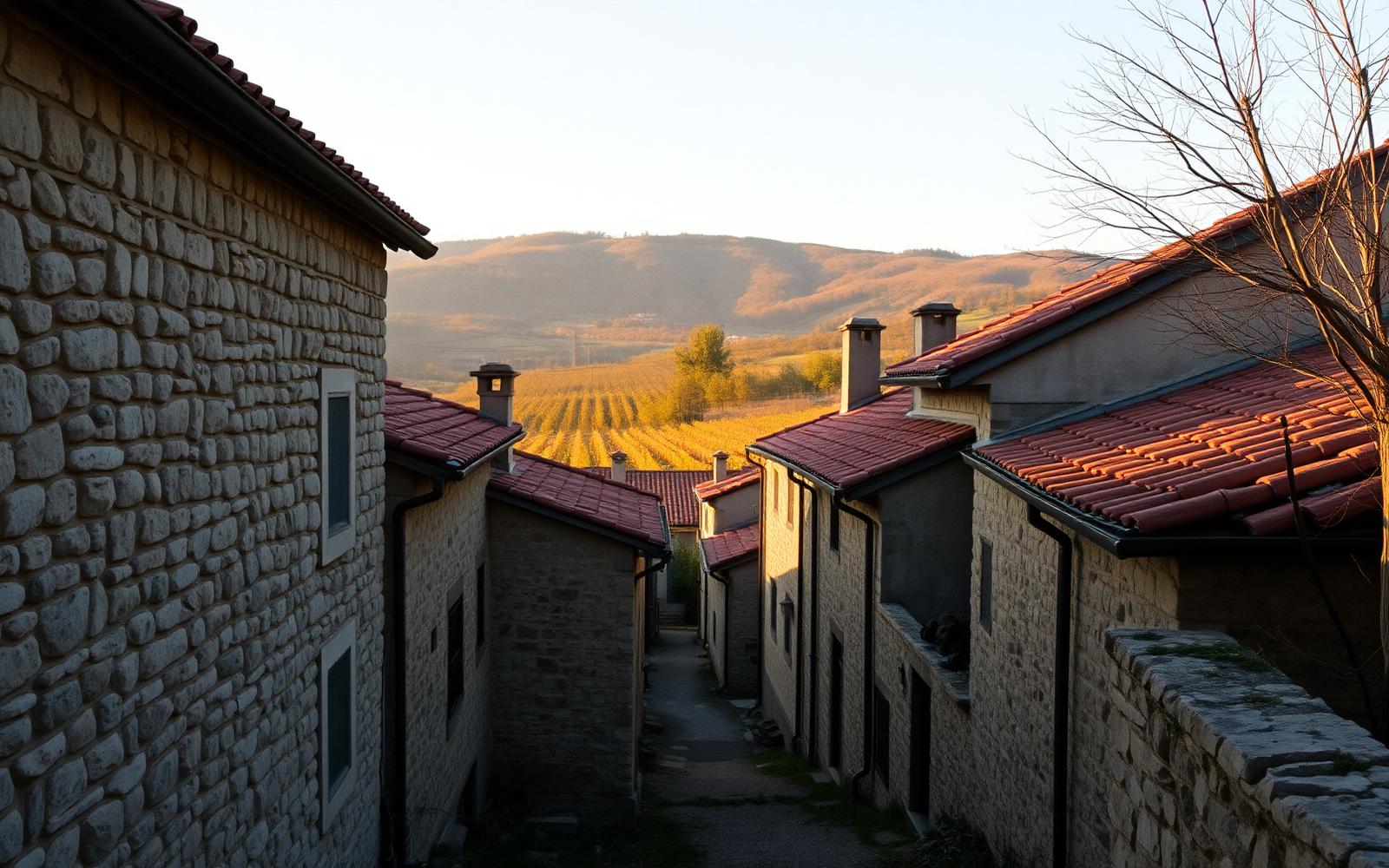
Why not the famous attractions?
Famous attractions are well served already. They have their own guides, their own tour operators, their own long queues. The Alfama district of Lisbon, for example, is thoroughly covered on every major site. What no one covers is which specific stone staircase to climb at what time of morning to have a courtyard entirely to yourself. That is the level of detail we work at.
Editorial standards
Every article on this site is researched with care, drawing on published sources, local knowledge and practical travel information. We do not accept payment from destinations, hotels, tour operators or tourism boards in exchange for featuring them.
When we get something wrong, we correct it. Prices, opening hours, and transport connections change; the underlying place usually does not, so we encourage readers to confirm practical details before they travel.
Research process
A typical article starts with a place suggestion, either from an editor's notebook or from a reader. We research the history, the character and the practical access of each place, and we write with the aim of helping readers travel there slowly and independently.
Advertising and affiliate partnerships
GTRYP is an independent travel publication that may earn revenue from advertising and affiliate partnerships. When visitors use certain partner links and make a booking, GTRYP may receive a commission at no additional cost to the visitor. Advertising is labeled as such, and affiliate relationships do not determine which places we write about or what we say about them.
About our imagery
Some visual content on GTRYP is created using AI-assisted or AI-generated imagery for illustrative purposes. These images are intended to convey the atmosphere of a place and should not be read as documentary photographs.
Travel ethics and sustainability
The places we write about are, almost by definition, more fragile than the famous ones. They have not built infrastructure for visitors, and they do not need it. We are careful about what we recommend and how loudly. We deliberately omit exact locations for a small number of the most sensitive sites, and we ask readers to keep group sizes small, to travel outside peak weeks whenever possible, and to spend money locally at family-run businesses.
Respect for local communities
The neighborhoods and villages in our articles are homes first and destinations second. We write about them with the same care we would want applied to our own street. That means no drone photography over private courtyards, no photographs of identifiable residents without consent, and no descriptions that reduce a working town to a backdrop.
Responsible exploration
We ask our readers to travel slowly. One region, one week. Learn a few words of the language. Eat where the workday crowd eats. Buy a loaf of bread from the village bakery even if you already have lunch. Small acts, repeated over a week, are the difference between a visit and a good visit.