Ainokura in Deep Winter
A working thatched-roof village in the Japanese Alps, without the day trippers.
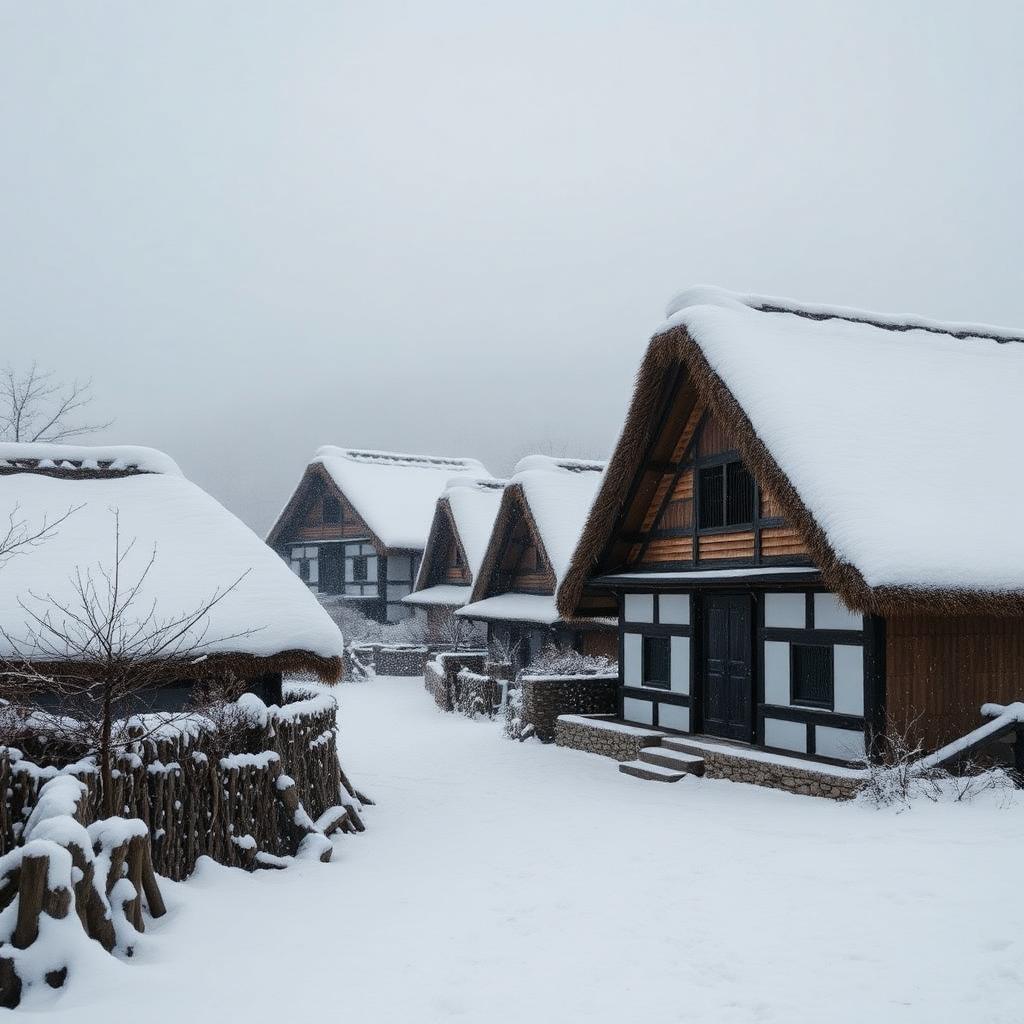
Everyone photographs Shirakawa-go. Its steep thatched roofs, the light-up festival, the crowds. Twenty kilometers away, in the mountains of Toyama, sits Ainokura, a smaller UNESCO-listed village of gassho-zukuri farmhouses that gets a fraction of the visitors and, in winter, almost none of them at all. If you can commit to two nights and one connecting bus, it is one of the quieter places you can spend a night in Japan.
Getting there
From Toyama city, take the JR Johana line south to its terminus at Johana. From Johana, the Sekaiisan bus runs a few times a day to Ainokura, taking about thirty five minutes. Check the timetable before you go: outside of peak weekends the schedule is sparse and the last bus back to Johana leaves in the middle of the afternoon.
You should plan to stay overnight. There are eight or nine minshuku, family-run guesthouses, in the village. Rooms are simple tatami, meals are included, and prices are moderate. Book directly by phone or through the village tourist association, not through the large booking sites, which often do not list the smaller houses.
An afternoon walk
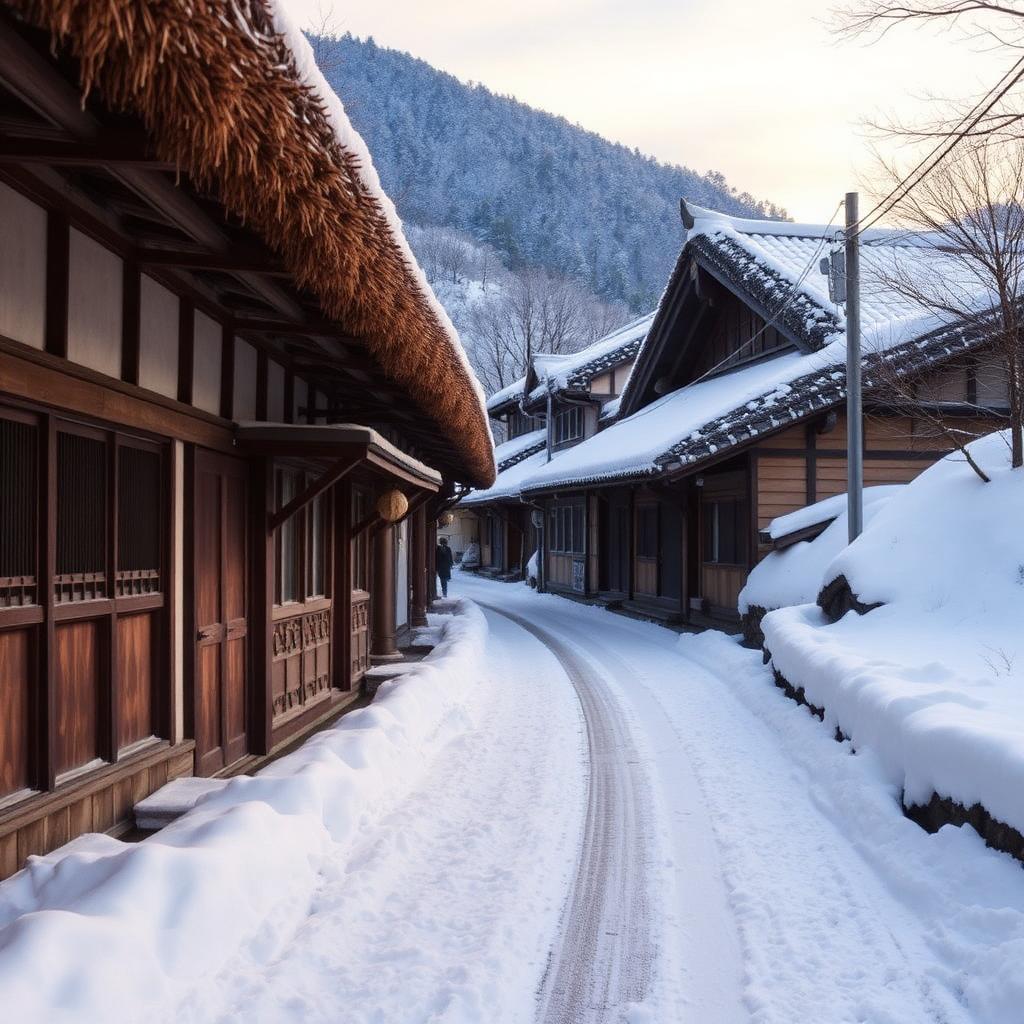
The village itself takes about twenty minutes to walk end to end. In winter the paths are cleared but slippery, and the roofs, all of them thatched with a meter of miscanthus grass, are heavy with snow. Locals climb the roofs periodically to clear them, using bamboo scaffolding stored in the village's shared shed.
Above the village, a short trail climbs to a viewpoint that most day trippers never reach because the last bus back leaves before they can walk it. In winter the trail is not always packed; ask at your guesthouse before starting up.
Down in the village, the small museum in a restored gassho house explains the construction: the roofs are steep because Toyama gets some of the deepest snowfall in the country, and the whole roof is tied together with straw rope, no nails.
The evening
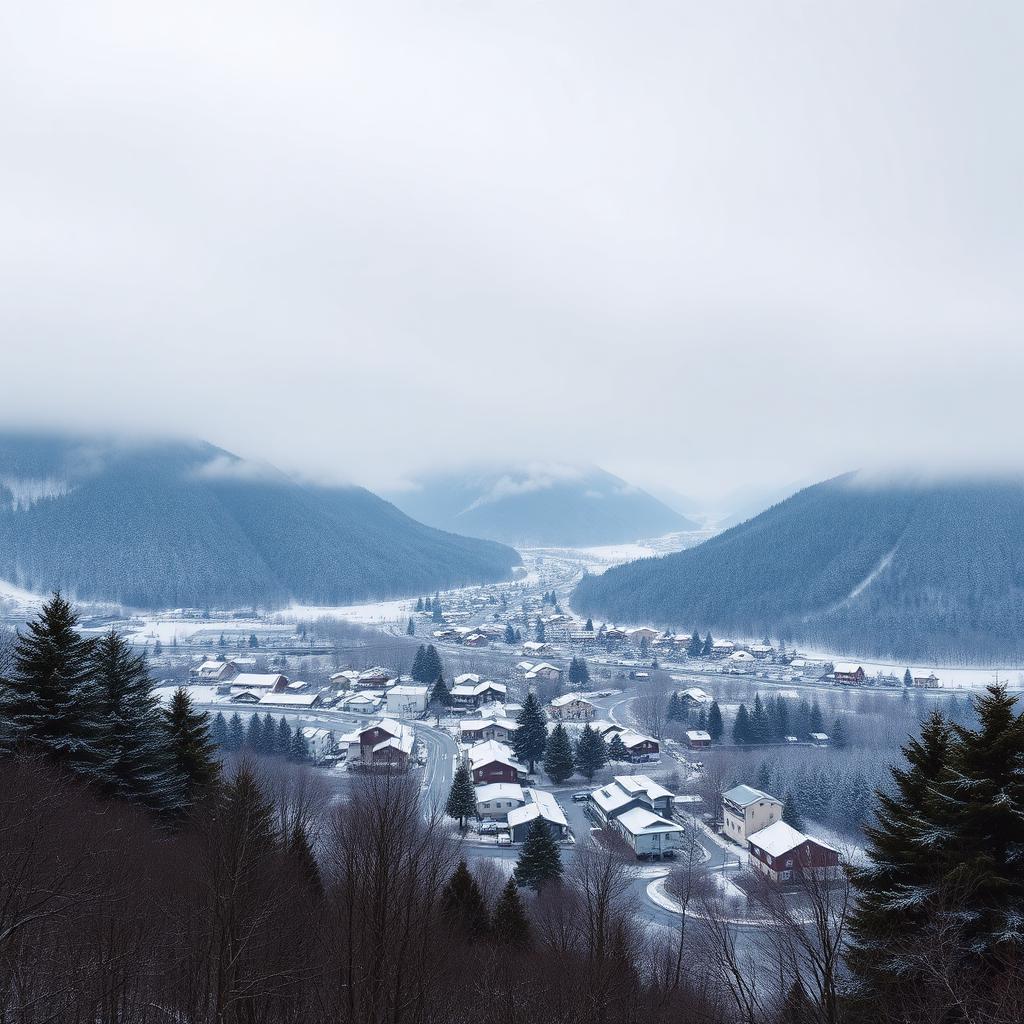
After the last bus leaves, at about four in the afternoon, the village becomes quiet in a way that surprises even people who have been to Japan many times before. The sky over the mountains turns a very cold blue. Snow falls slowly, sometimes for hours. There is a small shrine at the top of the village that is worth walking to at dusk.
Dinner at your guesthouse will usually include mountain vegetables, tofu made in Toyama, and sometimes iwana, a river trout grilled whole on a stick over an open irori hearth in the main room of the house.
Practical notes
- Book minshuku by phone or through the village tourism office; the small houses rarely appear on aggregators.
- Bring boots with good grip. The village paths are cleared but slippery.
- Cash only in the village. There is no ATM.
- Late January and early February give you the deepest snow and the fewest visitors.
Ainokura in winter is not a spectacle. It is a working village that happens to look extraordinary. Go for the quiet, stay for the second morning.