The Fortified Saxon Villages of Southern Transylvania
Painted houses, a fortified church on every ridge, and back roads that go nowhere quickly.
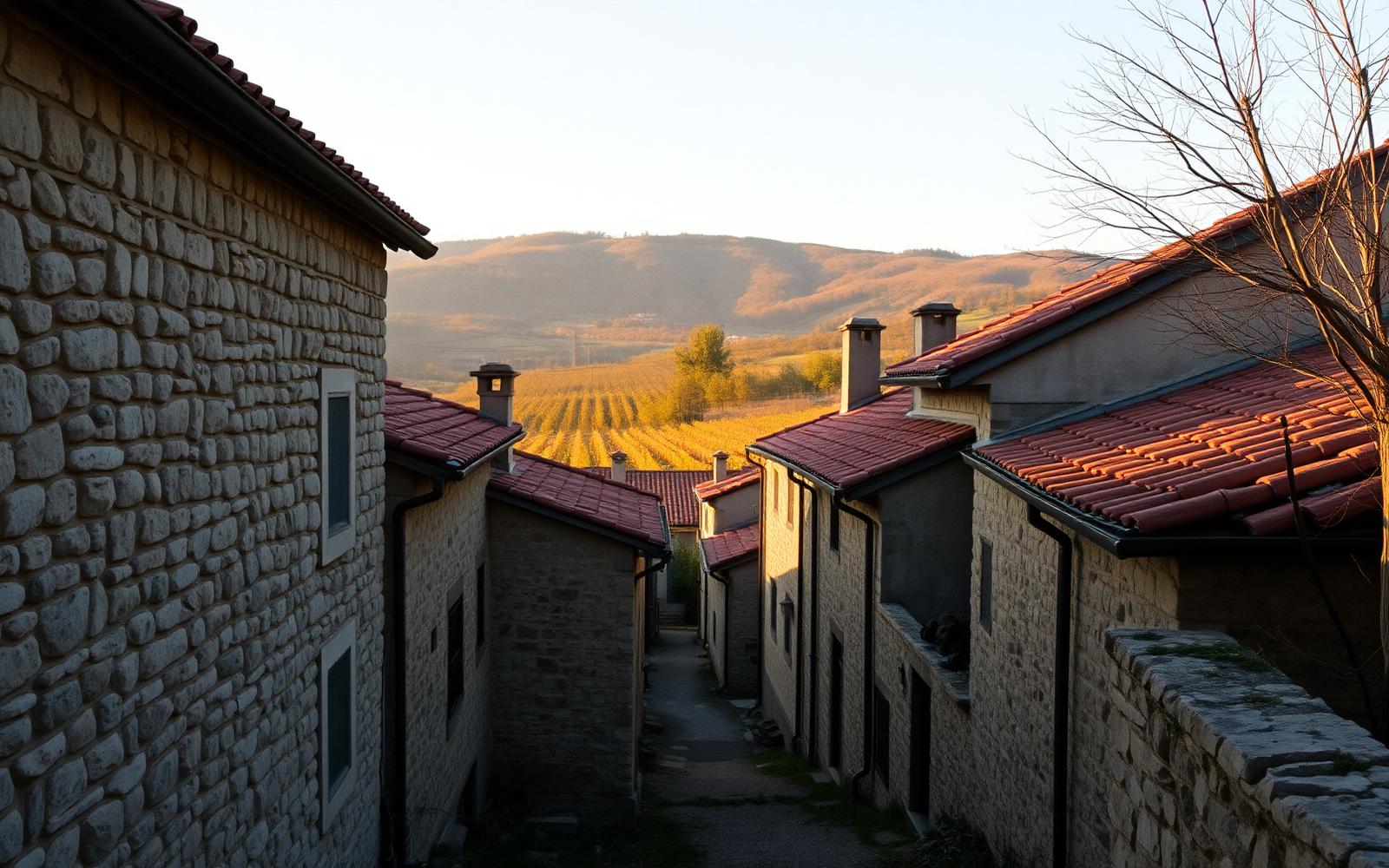
In the twelfth century, the Hungarian kings invited German-speaking settlers, later called Saxons, to farm and defend the southern edge of Transylvania. Their villages, arranged along a valley or up a single main street, built stone-walled fortified churches at their centres to shelter the population during Tatar and Ottoman raids. Roughly a hundred and fifty of those villages, and around a hundred and fifty of those churches, still exist. Seven are UNESCO-listed, but the more interesting travel is between them, on the back roads, where the villages are half-empty and the churches sometimes have the key hidden under a stone by the door.
Viscri, Prince Charles, and a base for the region
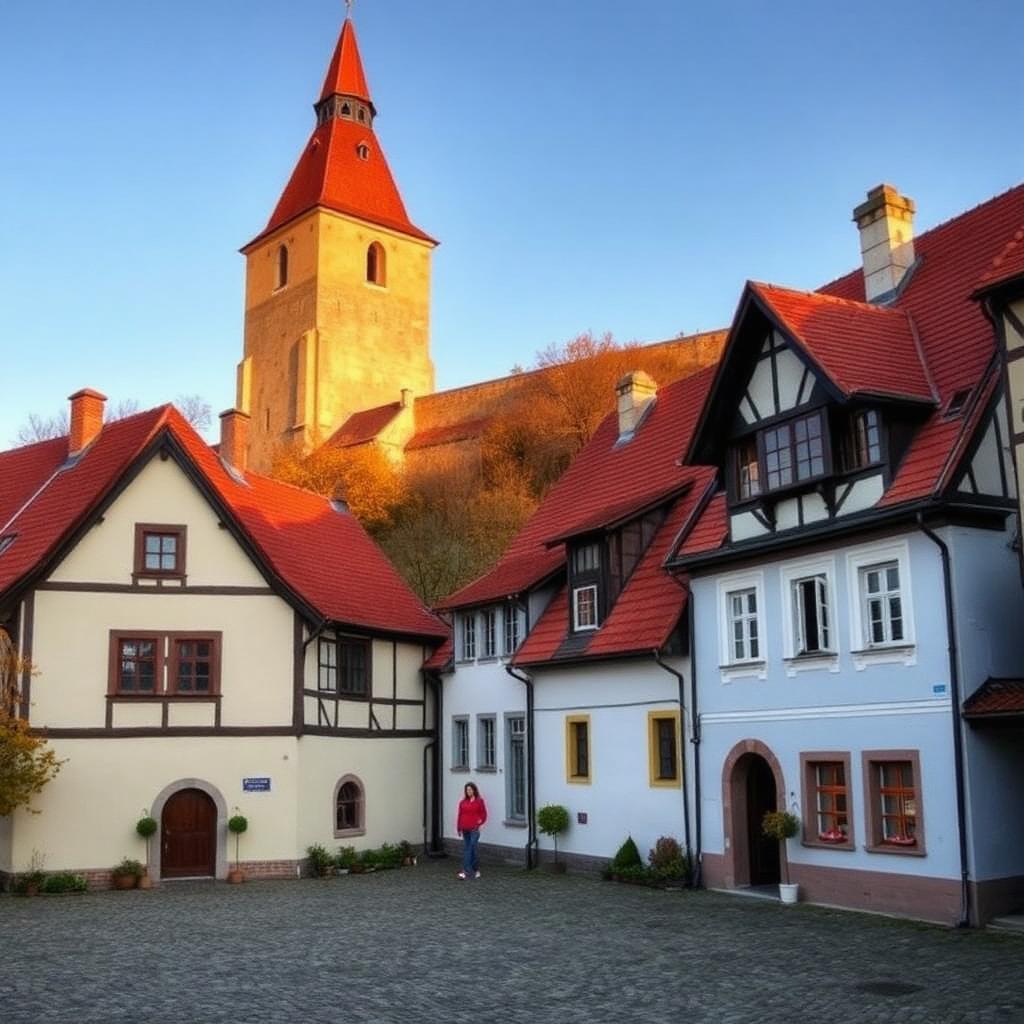
Viscri is the most famous of the villages, partly because the King (then Prince) Charles bought and restored a house here in the mid-2000s. It is not a large place: one long main street, painted houses in soft blues, greens and pinks, geese on the road, and a single fortified church at the top of the hill. The church itself is small, but the walk up along the church's outer defensive wall, and the view back over the village and its surrounding hayfields, is worth the drive to get here.
Stay at one of the guesthouses in the village itself, several of which are restored Saxon houses with the original tiled ovens still in the main room. Meals are usually included, and are cooked from what is grown in the village that week. In late summer that means plum soup, pork with fresh polenta, and homemade elderflower cordial.
Viscri makes a good base for three or four days in the region. From here it is a short drive to Meschendorf, Buneşti and Criț, all quieter, all with their own fortified churches, and all with either one guesthouse or none.
The churches, the key, the caretaker
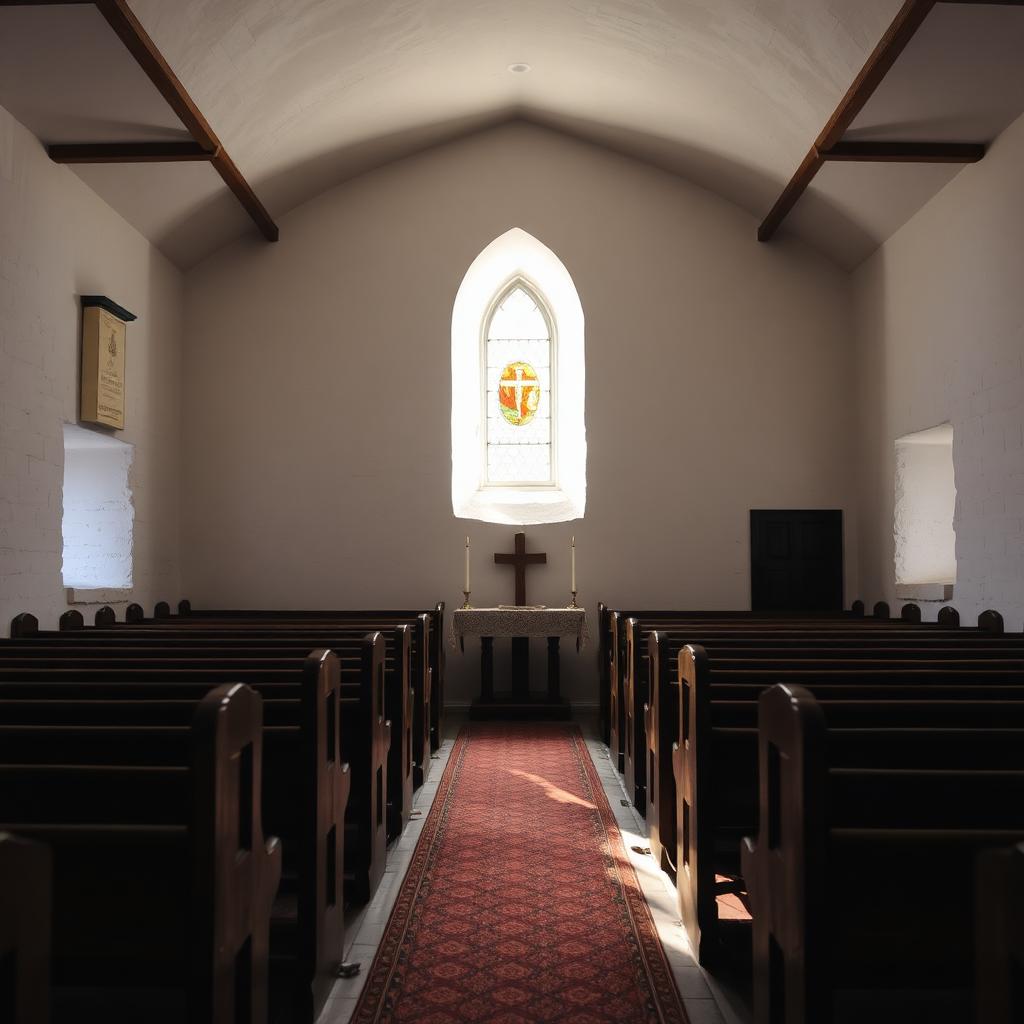
The fortified churches follow a common pattern: a small nave, a defensive tower or two, and a ring wall with wooden storage rooms built into the inside, where villagers could store salted meat and grain in case of siege. Most of the churches lost their congregations after the mass Saxon emigration in the 1990s, and are now looked after by a single caretaker who lives in a house nearby.
The practical reality: in most villages, if the church door is locked, you walk to the village shop and ask for the key. Someone will point you at the caretaker's house. The caretaker will usually walk you back to the church, open it, let you in, and wait patiently in the doorway. A tip of ten or twenty lei is customary and appreciated.
The church at Biertan, one of the seven UNESCO-listed sites, is the most elaborate. It has three concentric ring walls and the famous marriage-room, a tiny locked chamber into which quarreling couples were placed for two weeks to work things out. The one at Prejmer, further east, has the most impressive interior of the fortifications, with over two hundred and seventy small wooden rooms built into the inside of the ring wall.
Between the villages, on foot and on horse cart
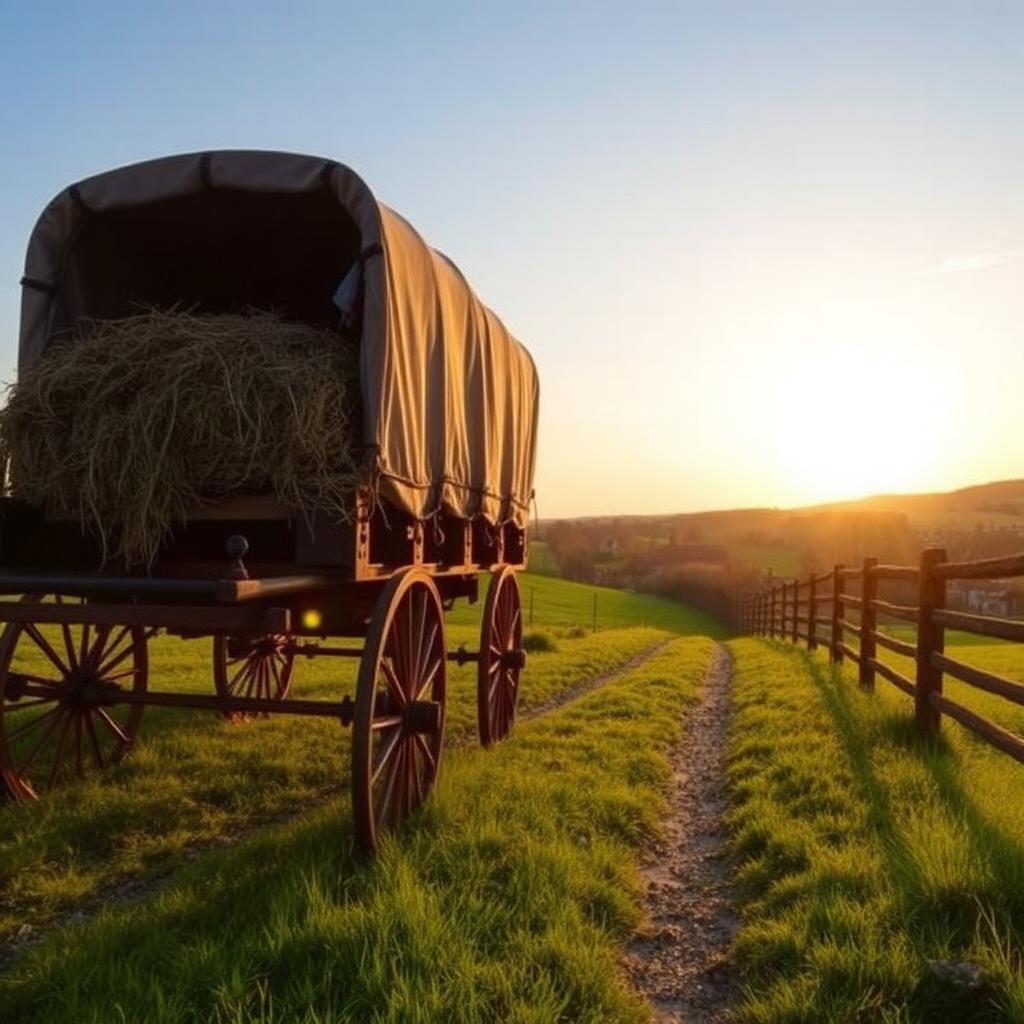
Between the villages, the roads are unpaved or barely paved, and the traffic is mostly horse-drawn hay wagons. Walking or cycling is easy in good weather; the distances between villages are typically five to fifteen kilometers, over rolling farmland. The Mihai Eminescu Trust, based in Viscri, publishes a set of walking maps and organises horse-cart transport between villages by prior arrangement.
For a longer day, walk from Viscri to Meschendorf via the ridge trail. Give it three to four hours in dry conditions, longer in mud. The path passes through hay meadows that are among the most biodiverse in Europe, with orchids in June and gentians in August. Stop at the small Saxon-built stone crosses along the ridge; each marks a former field boundary from the eighteenth century.
Practical notes
- Rent a car in Sibiu or Brașov. The back roads are quiet but the surface is rough in places.
- Book guesthouses directly through the village associations, not through booking aggregators.
- Some churches close during services. Sunday morning is not the time to expect the key.
- Bring small notes in lei. Card payment is rare in the villages.
The Saxon villages of southern Transylvania are one of the last European landscapes where farm work still runs on horses and small fields. Move slowly, ask about the church key, and give the villages the days they deserve.