The Orkhon Valley, a Slow Week on the Steppe
A river, a set of empty grasslands and the old Mongol capital, all on one loop from Ulaanbaatar.
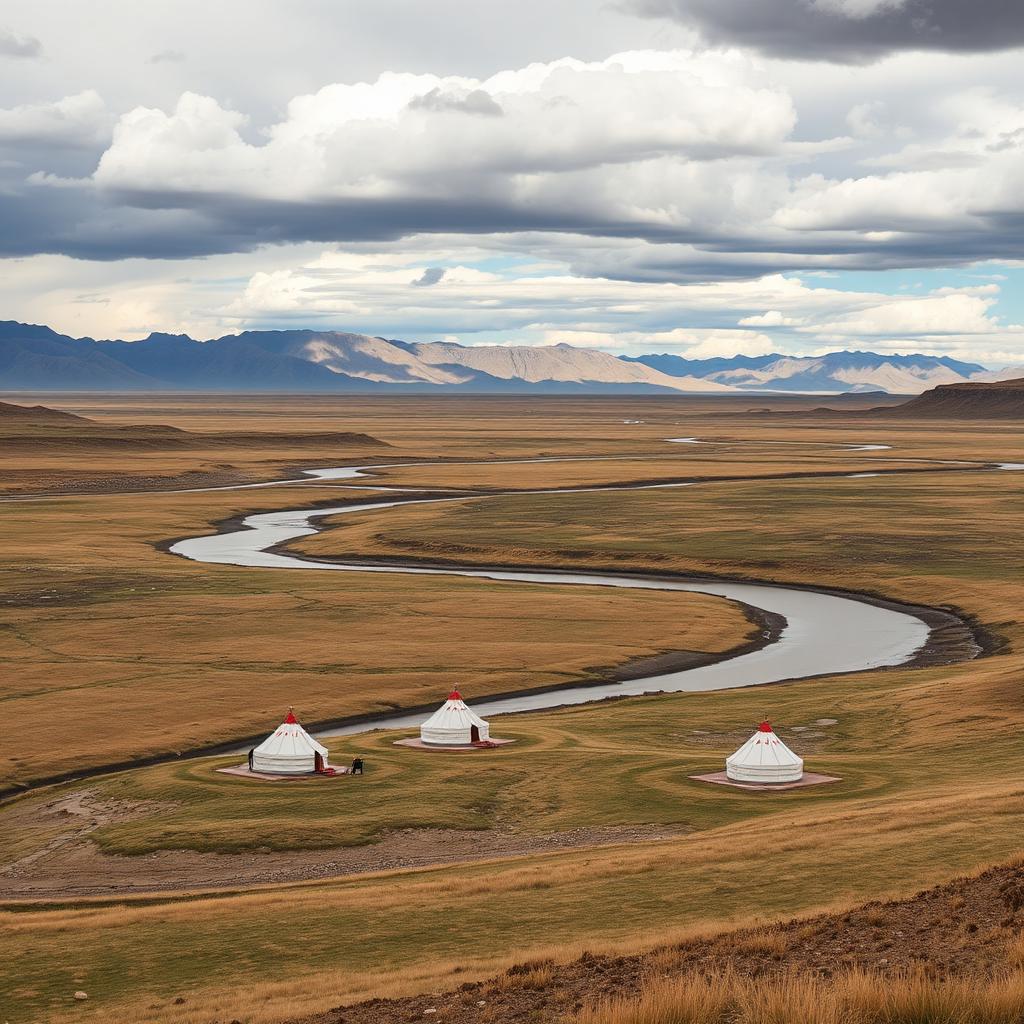
Mongolia's Orkhon Valley is a UNESCO World Heritage site, one of the great open landscapes of central Asia, and, most of the year, essentially empty of visitors. The valley was the political heartland of the Mongol Empire in the thirteenth century, and the ruins of Karakorum, Genghis Khan's capital, sit at its northern end. Around them, in every direction, are rolling grasslands, small nomadic camps, a spectacular waterfall on the river itself, and a set of natural hot springs at Tsenkher, in the mountains to the south. Given a week and a driver, you can see all of it, and stay in ger camps run by families whose grandparents were born on the same pasture.
Getting there, and how to travel
Ulaanbaatar to the Orkhon Valley is roughly a full day of driving, four hundred kilometers, most of it on paved roads that turn to dirt for the last hundred and fifty. A regular sedan will not manage the last section reliably; hire a Russian-made UAZ minivan or a Toyota Land Cruiser with a driver. Rates for a week including driver, fuel and simple accommodation are moderate by Western standards and remain the most practical way to see the country.
Do not try to self-drive on your first visit. There are no road signs outside towns, distances are longer than they look on the map, and Mongolian drivers navigate by dead reckoning and landmark recognition. A good driver from a local outfit will double as a guide and translator, and will know which families take guests in which season.
Karakorum and Erdene Zuu
The old Mongol capital, Karakorum, is now almost entirely gone; what remains is a set of low earth mounds and a single stone turtle sculpture that once marked one of the four corners of the city. The site is worth an hour, mostly for the scale of the empty ground and the small on-site museum, which contains fragments of glazed roof tiles and Persian-influenced pottery excavated in the last twenty years.
Beside the old city, and built partly from its stones, is Erdene Zuu, the oldest surviving Buddhist monastery in Mongolia. It was founded in 1585, and its outer wall is enclosed by one hundred and eight stupas, the sacred number in Tibetan Buddhism. Most of the monastery buildings were destroyed in the 1937 Stalinist purge; three temples survived and still stand in the enclosed courtyard. A small community of monks lives on site and holds daily prayers you can quietly attend.
The waterfall, the hot springs, and the horses
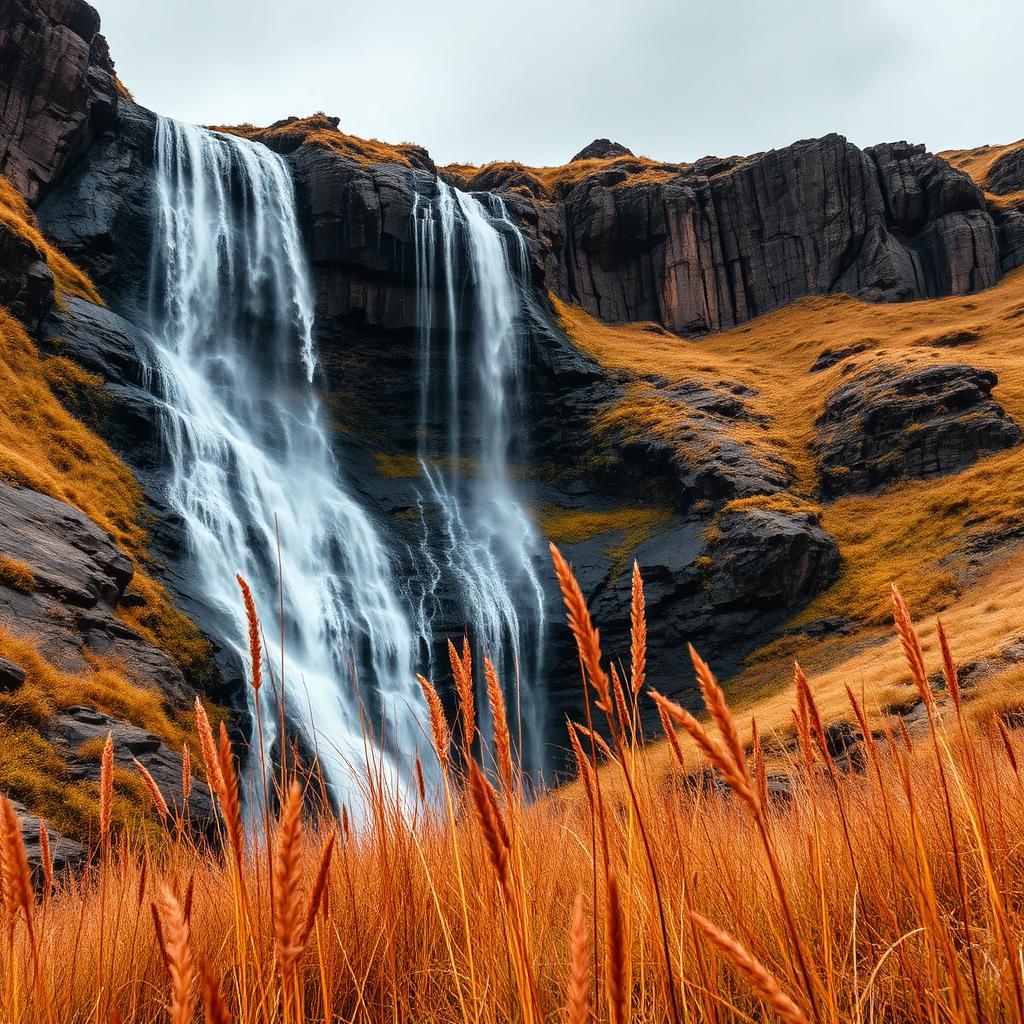
About seventy kilometers upstream from Karakorum, the Orkhon River drops abruptly over a basalt cliff to form the Ulaan Tsutgalan waterfall, twenty meters high and, in late summer, thick with meltwater. The falls are accessible by 4WD track and a short walk, and the pool below the falls is deep enough to swim in on a warm day. A handful of small ger camps operate at the top of the falls; they are basic but comfortable, with wood stoves and full board included.
Further south, the Tsenkher hot springs sit in a small mountain valley and feed a set of open-air pools at around forty degrees. Several ger camps in the valley pipe the spring water directly into private wooden tubs behind each ger. In the evenings the tubs are quiet, the sky is dark enough to see the Milky Way clearly, and the whole thing costs less than a hotel room in Ulaanbaatar.
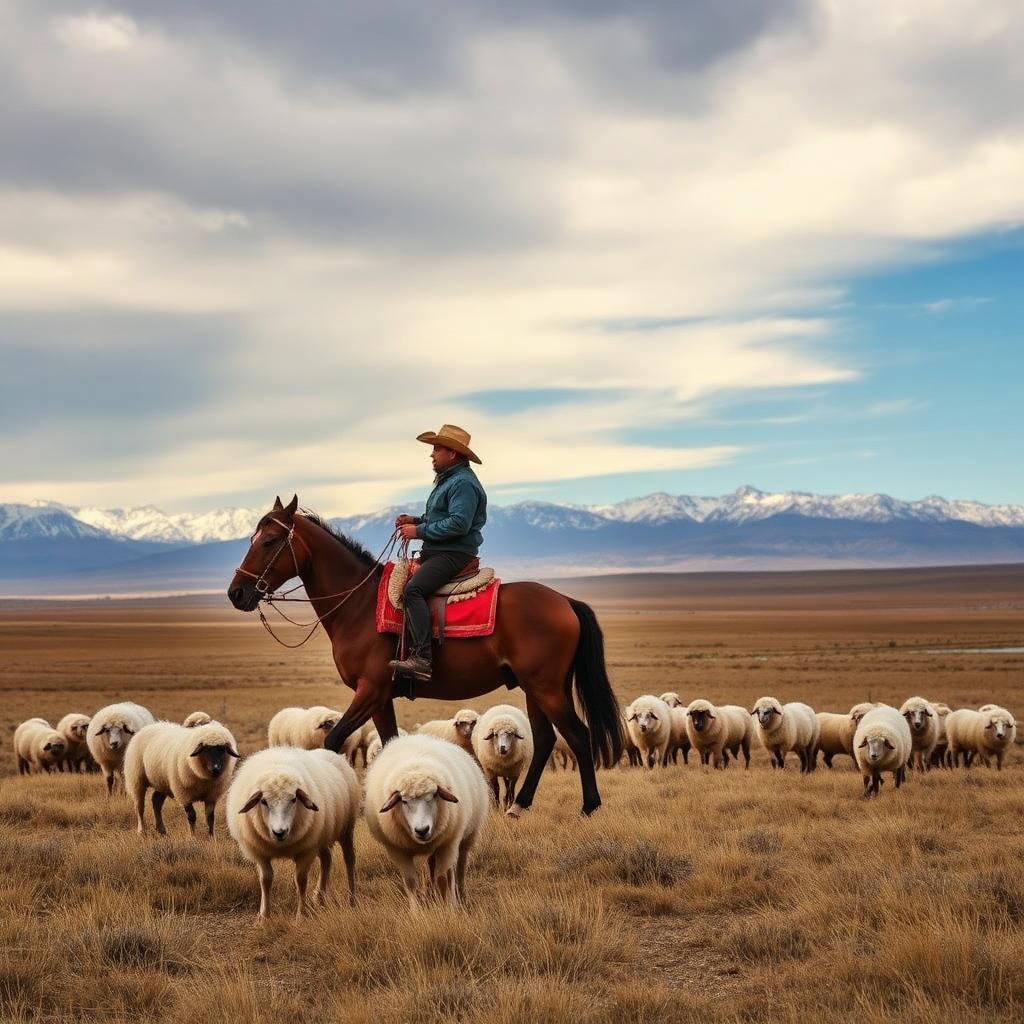
In between, ride. The Orkhon Valley is one of the best places in Mongolia to ride, and half-day rides on family horses can be arranged at any camp. The horses are small, tough, and completely at home on the pasture. If you have never ridden, say so; they will give you the calm one.
Practical notes
- The season runs from June to early September. Outside that window the road access is difficult.
- Bring cash in tögrög. Card payment does not work in the valley.
- Ger camps have shared toilets and cold-water sinks. A quick-dry towel and biodegradable soap are useful.
- Respect the door protocol: do not step on the threshold, and enter with your right foot first.
The Orkhon Valley is one of the great slow-travel landscapes of Asia. Give it a full week, take a driver, and do not try to compress it into a weekend.