Namibia's Quiver Tree Forest at Dusk
A grove of upside-down trees on red rocks in the almost-empty southern Karoo.
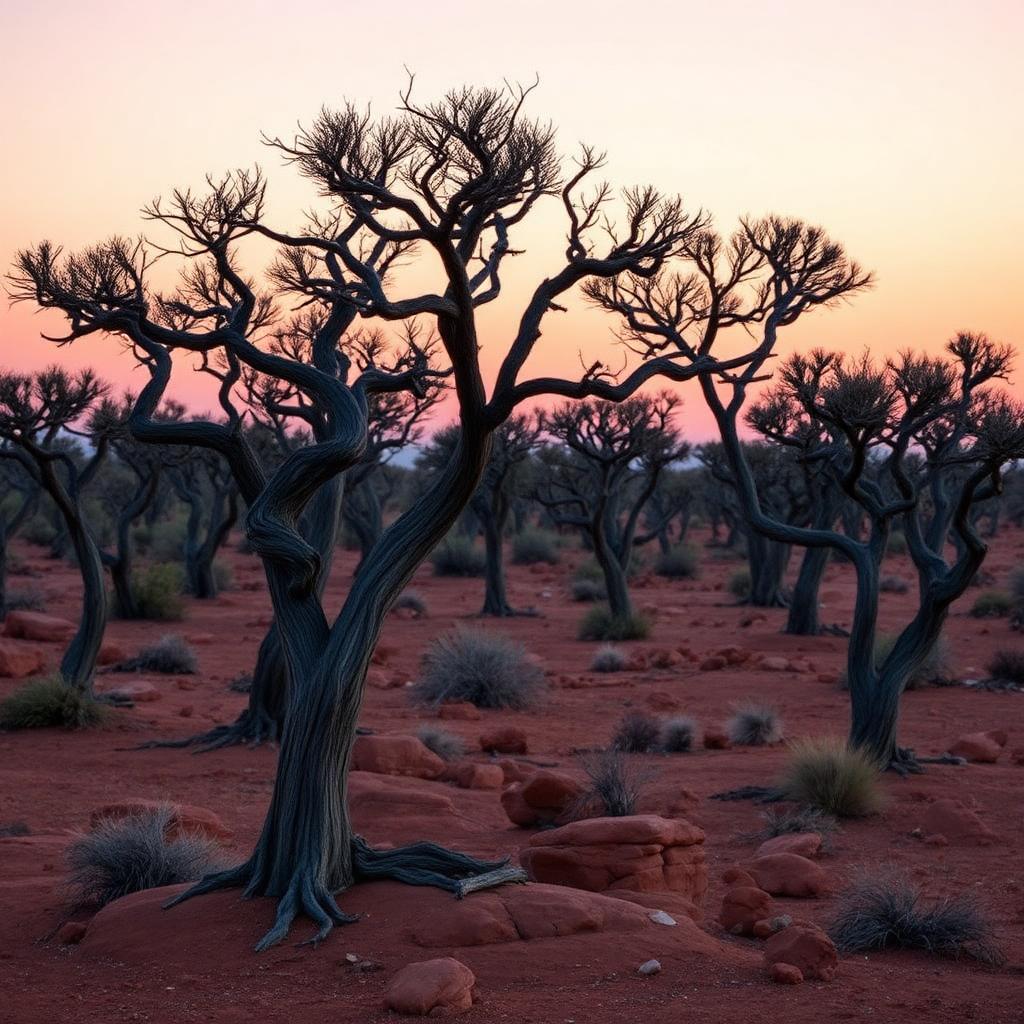
The quiver tree, or kokerboom, is not really a tree but a giant aloe that grows in the semi-arid parts of southern Namibia and northern South Africa. Its branches split at the top of a smooth pale trunk into what looks like an upside-down root system, and its yellow flowers open in June and July. On a private farm called Gariganus, near Keetmanshoop in southern Namibia, roughly two hundred and fifty of these trees grow together on a hilltop of red dolerite rocks, and the whole scene, especially at dusk or by starlight, is one of the strangest and most beautiful landscapes in southern Africa.
Keetmanshoop and the drive south
Keetmanshoop is the main town of southern Namibia, five hundred kilometers south of Windhoek on the B1. It is not a destination in itself but it is the necessary base for the Karas region: the last town with a large supermarket, a fuel station open late, and a bookshop. Stay at the small Bird's Mansions Hotel in the centre for a night on arrival, and stock up on water and snacks before driving further south.
The quiver tree forest is on the Gariganus farm about fifteen kilometers east of Keetmanshoop, on a well-signed gravel road. The farm operates a small campsite and lodge, and the entry fee for the forest is modest. In the same complex is the Giant's Playground, a field of large dolerite boulders piled by geological erosion into shapes that look eerily deliberate.
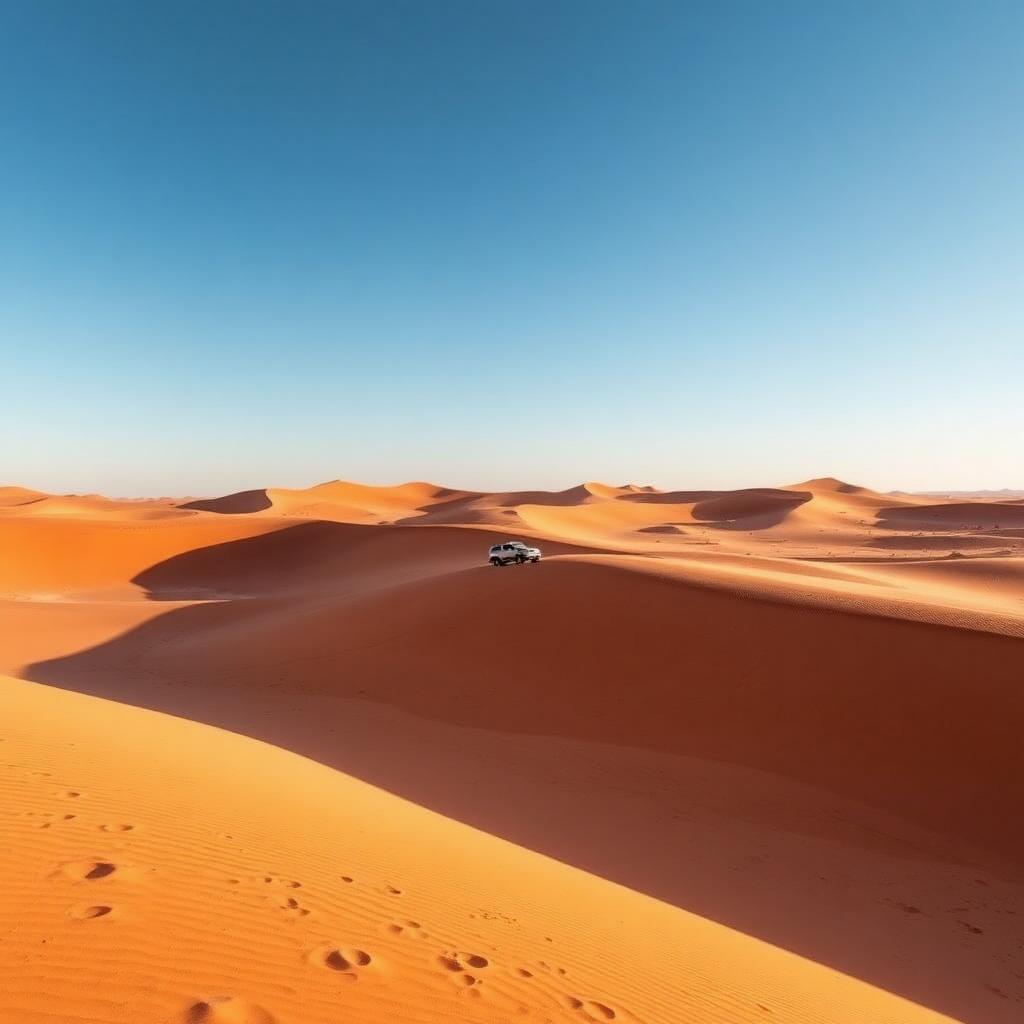
Sunset and the star sky
The forest is at its best in the last hour of light. The quiver trees glow gold-green against the red rocks, and the shadows of the branches spread across the boulders in long thin lines. Bring a warm layer even in summer; the desert cools fast after sunset.
The real reward is after the sun goes down. Southern Namibia has some of the darkest skies in the world, certified by the International Dark-Sky Association, and the Milky Way rises directly above the grove of trees in the winter months (May to August). Photographers set up for hours here; even without a camera, an hour lying on a rock looking up is worth the trip.
The farm lodge serves a simple dinner and includes stargazing walks with a guide who owns a small telescope. The Magellanic Clouds, the two neighboring galaxies, are visible with the naked eye from here.
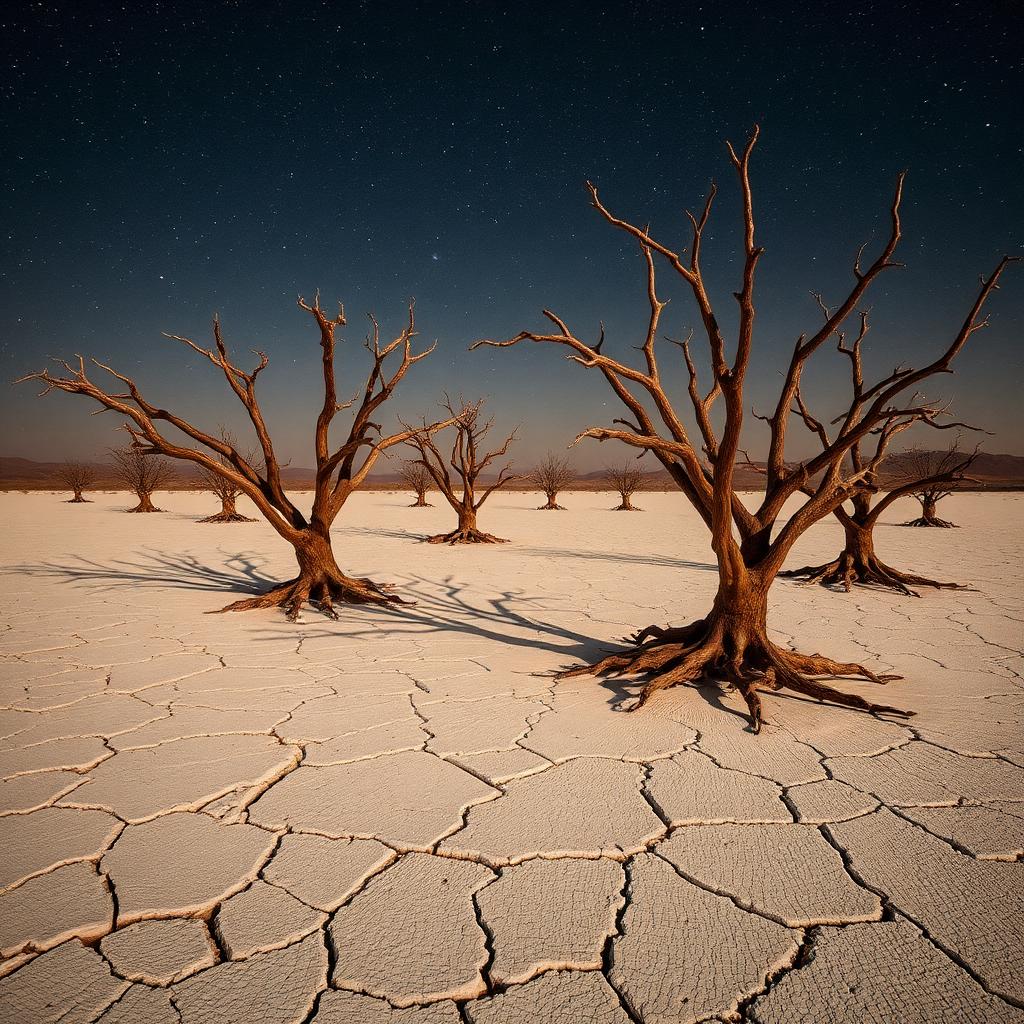
Extending the trip, Fish River and Aus
If you have another two days, drive south from Keetmanshoop to the Fish River Canyon, the second largest canyon in the world after the Grand Canyon in terms of length and depth. The viewpoint at Hobas is a two-hour drive and requires a small park fee. The overnight camp at Ai-Ais at the far southern end of the canyon has natural hot springs and simple chalets.
For a further stop, the small town of Aus, west of Keetmanshoop on the B4, sits at the edge of the Namib desert and is the base for the famous wild horses of Garub, descended from horses left behind by German soldiers in the First World War. A small viewing hide at the Garub waterhole makes for a quiet morning stop.
Practical notes
- Fuel is spread out. Fill up in Keetmanshoop, Aus and Karasburg.
- The best months are April to September, when temperatures are moderate and the Milky Way is bright.
- Bring a serious water supply. Two liters per person per day, minimum.
- Rent a car with high clearance. Some of the side roads are corrugated gravel.
The quiver tree forest is one of the strangest and quietest places in southern Africa. Come at dusk, stay after dark, and let the sky do the rest.