The Old Sugar Town of Cishan
A morning inside a Kaohsiung suburb that still remembers the Japanese sugar trade.
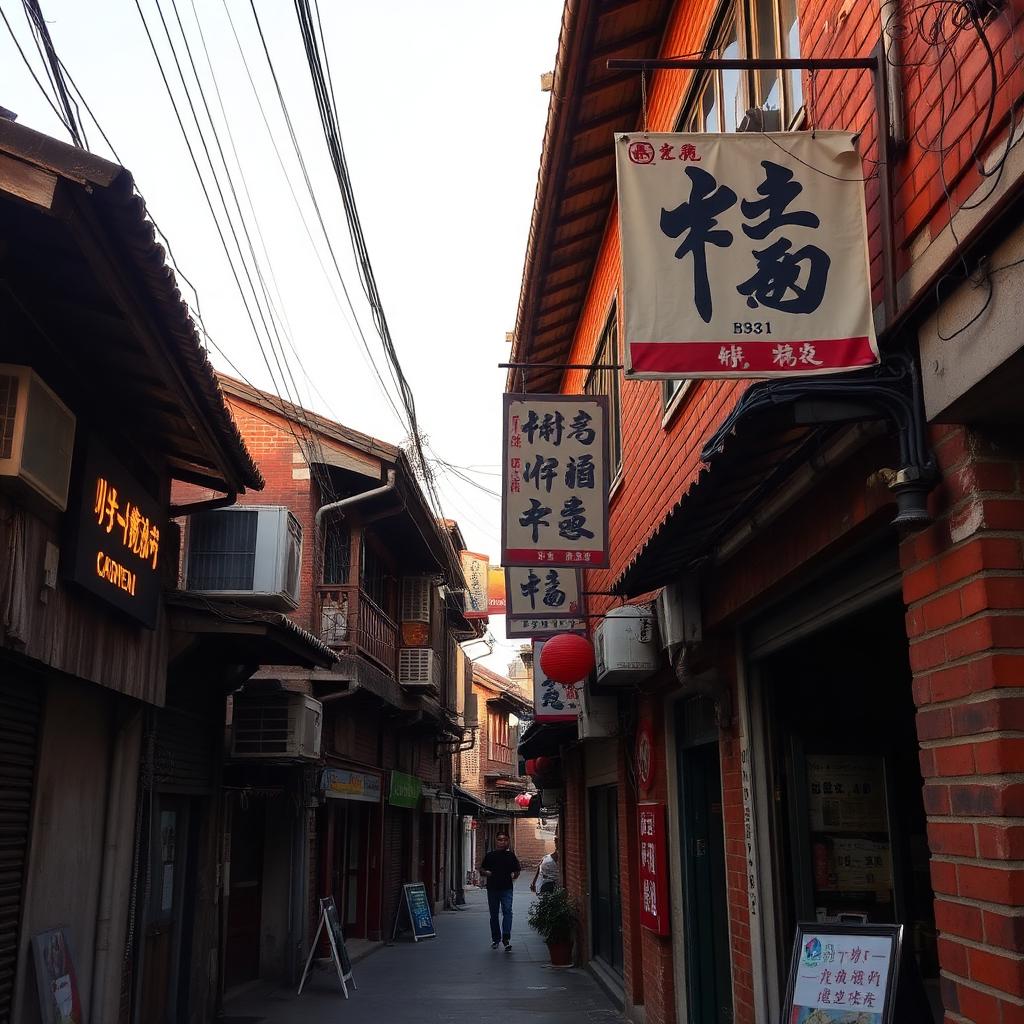
Cishan is a small district about forty kilometers northeast of downtown Kaohsiung, at the edge of the mountains. During the Japanese colonial period (1895 to 1945) it was one of the centres of the Taiwanese sugar industry, and its old town still shows it: a grid of narrow streets lined with red-brick shophouses in the baroque-influenced style the Japanese introduced, a decommissioned sugar refinery on the edge of the district, and a still-active weekly market that sells bananas, ginger and salted plums to the surrounding farm villages. It is a Sunday-morning kind of place, and almost no tourist coach visits it.
The old station and the shophouse street
Start at Cishan station, a small wooden building from 1913 that was the terminus of the narrow-gauge sugar railway. The station is no longer active as a passenger stop, but the building has been preserved as a small museum with the original waiting benches, cast-iron radiators and a bilingual Japanese-Chinese timetable board on the wall. Entry is free and takes fifteen minutes.
From the station, walk east along Zhongshan Road, which is the main old-town artery. The shophouses here are two storeys tall, with elaborate cast-cement facades that mix Japanese, Dutch and Chinese details. Roughly forty of them are on the local heritage list, and the local municipality maintains a set of small explanatory plaques in Chinese, Japanese and English.
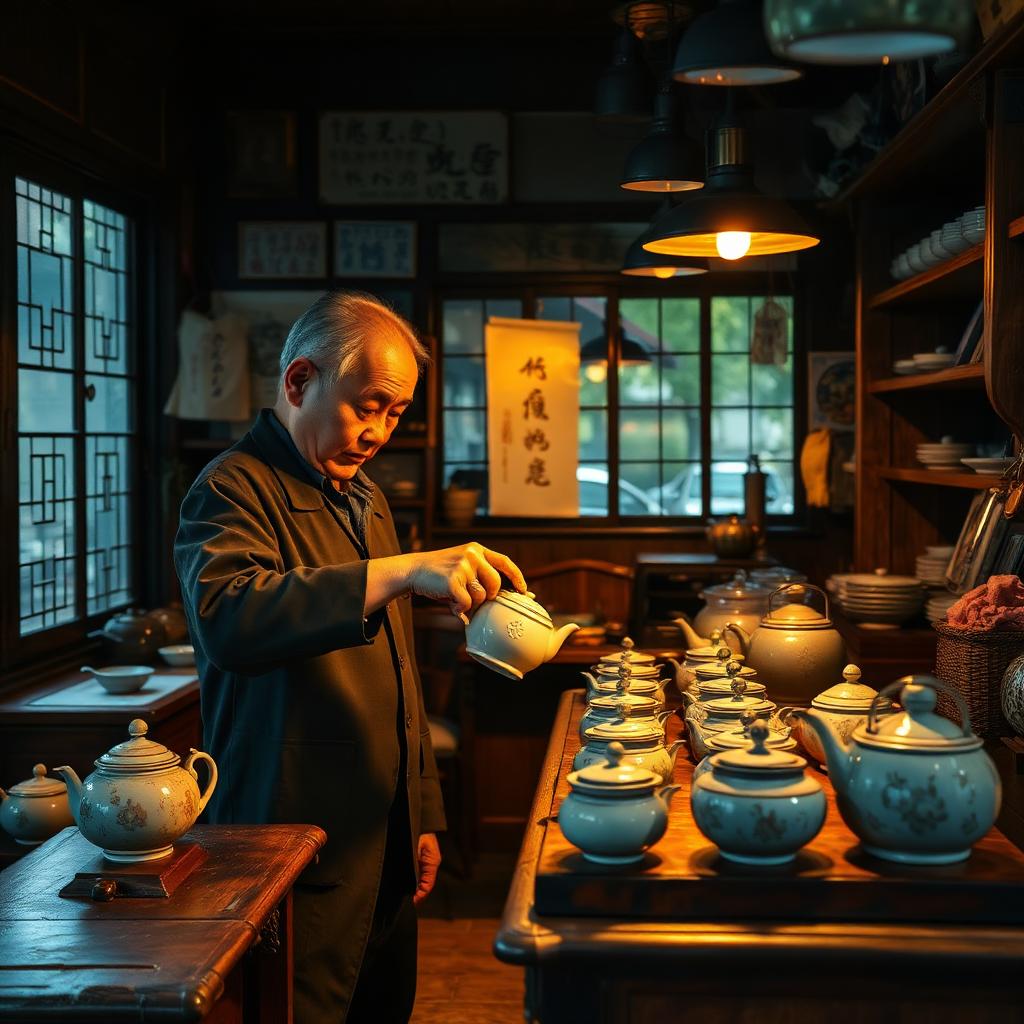
About halfway down the street, look for the family-run tea shop Cishan Old Tea. The shop still uses the original 1930s tin-lined wooden counters, and the owner will steep you a small pot of local Baozhong oolong for the price of a coffee.
The market, and the banana city
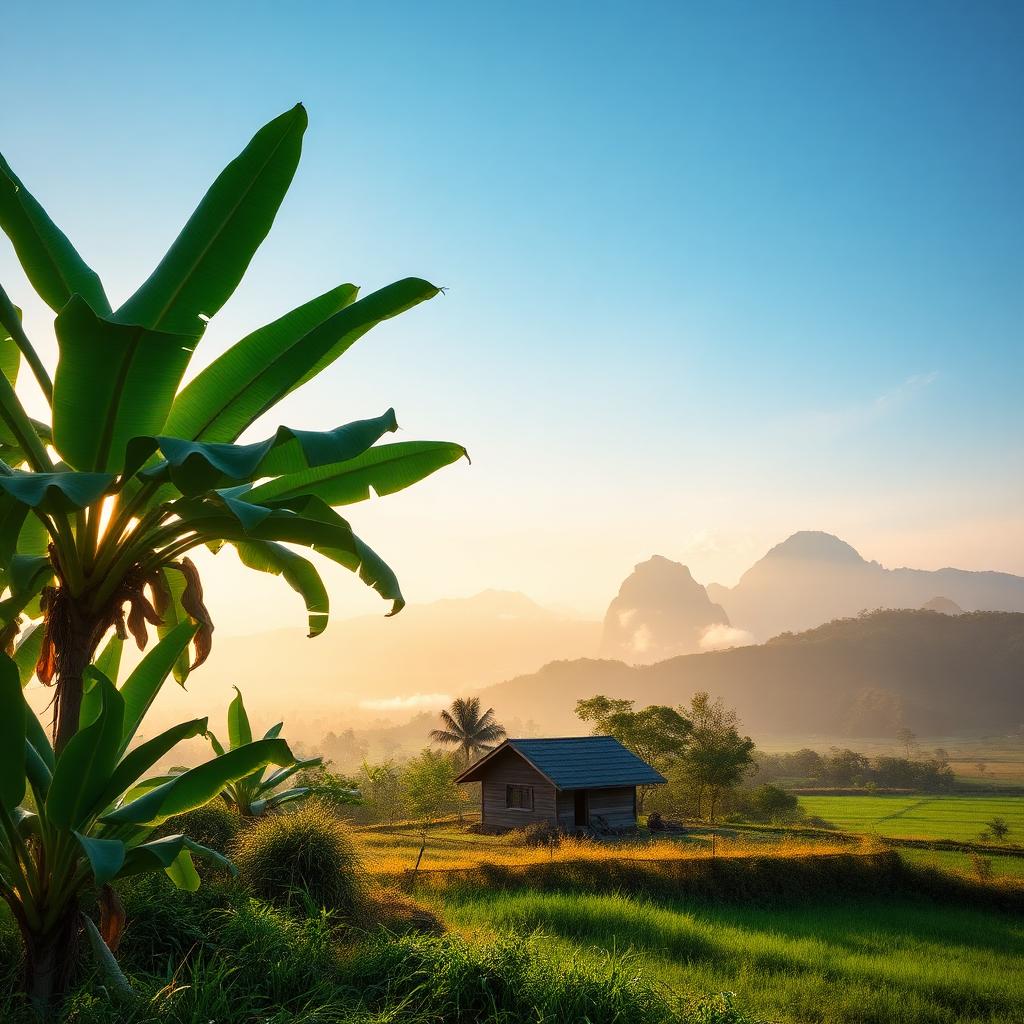
Cishan sits at the edge of the largest banana-producing region in Taiwan, and its central market, held every morning from about seven to noon on Zhongzheng Road, is the outlet for most of the small farms. In autumn the market fills with the local golden banana, the taro variety of banana used in traditional desserts, and, more surprisingly, a growing scene of banana-based street food: banana rice cakes, banana pancakes, banana ice with condensed milk.
Eat breakfast at one of the covered stalls at the back of the market. The classic order is danbing, an egg pancake rolled around scallions, and a bowl of soy milk. Ten minutes at the counter and you will know more about what the local farms grow than any guidebook can tell you.
The sugar refinery and the ride to Meinong
At the western edge of town, the former Cishan sugar refinery has been converted into a small park and cultural centre. The main factory hall is largely empty, but the cast-iron pressure vessels, the wooden loading dock and the narrow-gauge tracks that used to carry sugarcane in from the fields are all still there. On weekend afternoons the site hosts small crafts markets and a rotating exhibition on the sugar industry.
For a longer day, rent a bicycle at the tourist office and cycle to Meinong, a Hakka town twenty minutes east through the banana fields. Meinong is famous for its oil-paper umbrellas, its Hakka cuisine, and a set of small brick tobacco-drying barns that are among the last of their kind in Taiwan. The ride is flat and quiet on a Sunday morning.
Practical notes
- The bus from Kaohsiung Zuoying HSR station takes about an hour. It runs frequently on weekends.
- The market is quietest right at seven; by nine the local buses have arrived.
- Bring cash. The old shops mostly do not take card, though QR-pay is spreading.
- October and November are the best months. Summer is very hot and humid.
Cishan is a working sugar town that quietly kept its old buildings. Give it a Sunday morning, buy bananas from the market, and cycle out to Meinong for the afternoon.