Yanaka's Wooden Alleys, Before the Trains Fill Up
A morning inside the low-rise neighborhood Tokyo forgot to rebuild.
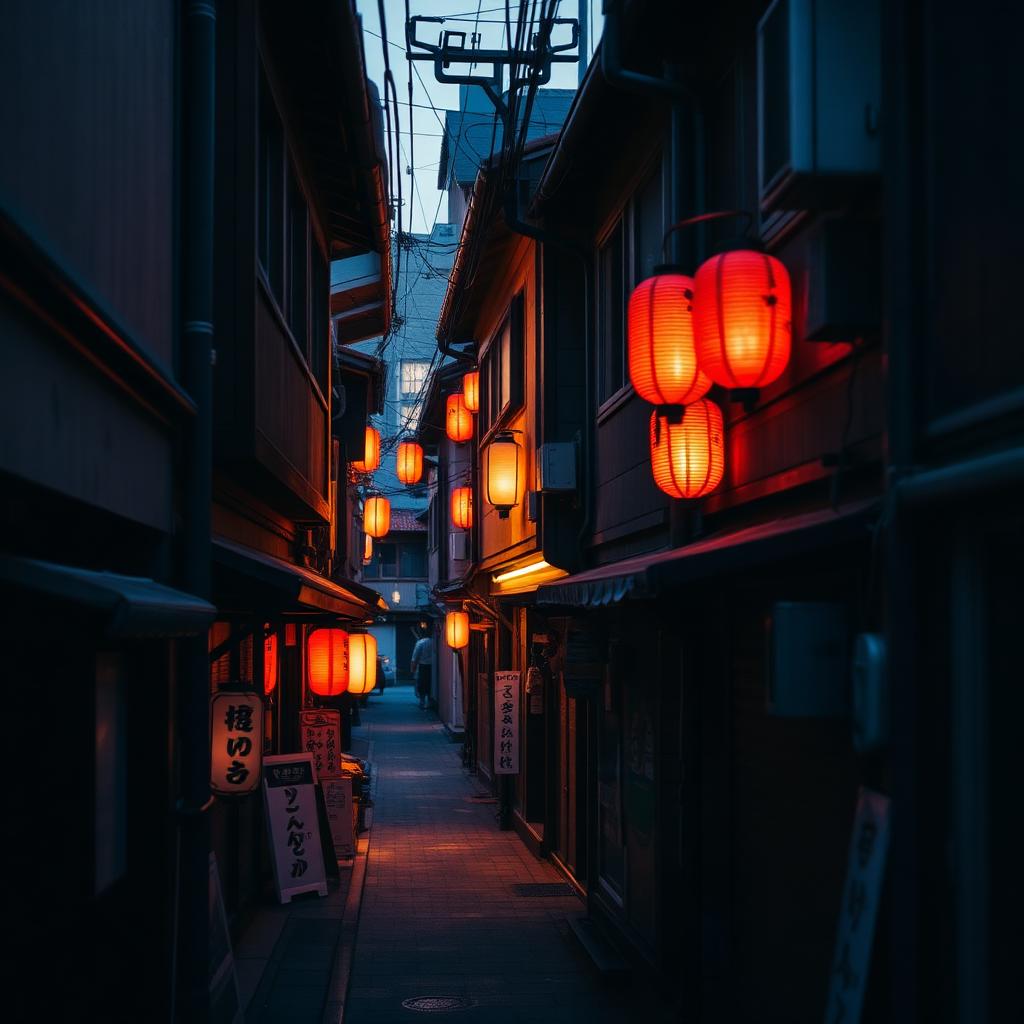
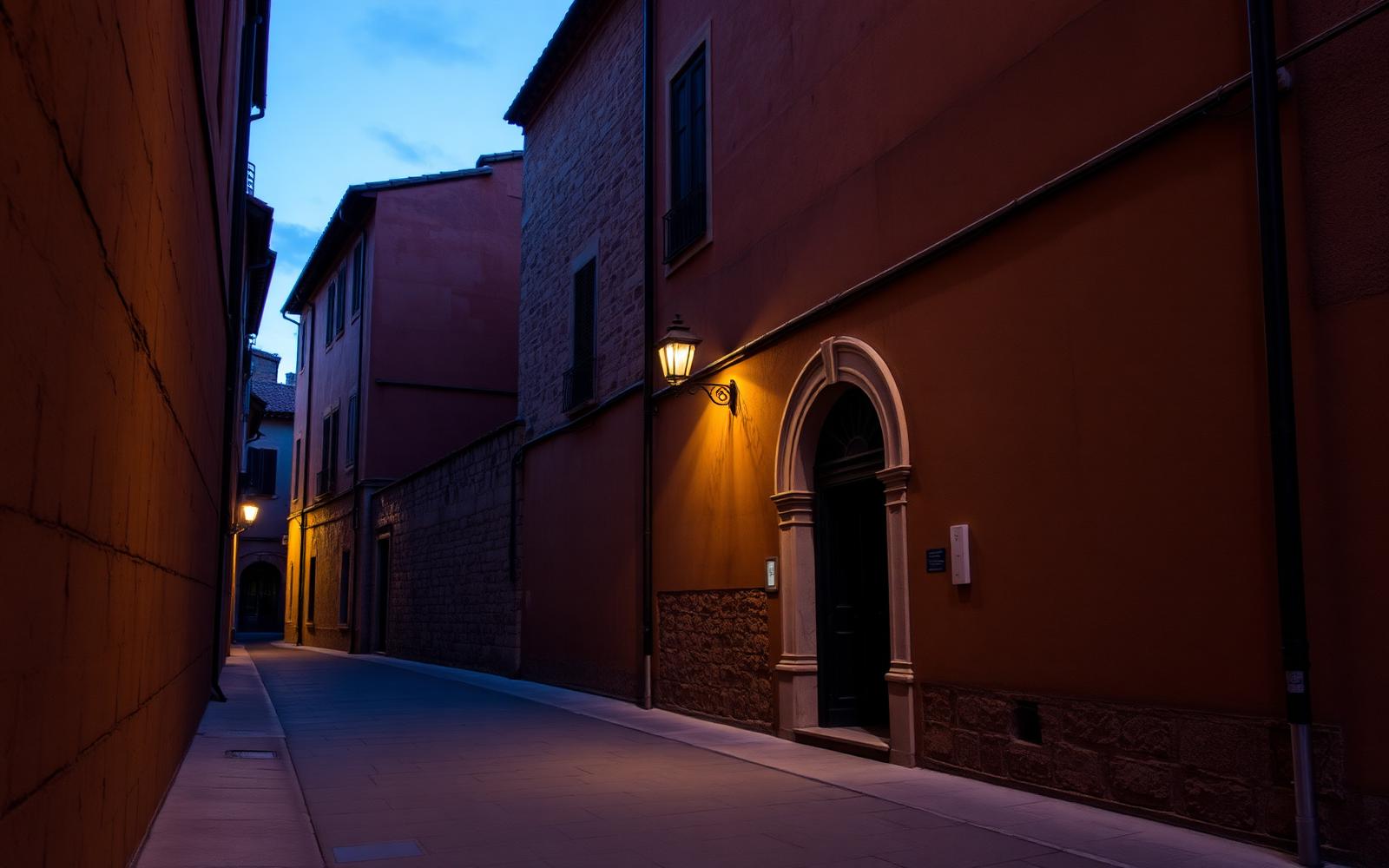
Most first-time visitors to Tokyo see the city as a wall of neon and glass. Yanaka is the district that reminds you the wall was built on top of something older. It is one of the few pockets of shitamachi, the low city, that survived both the 1923 earthquake and the 1945 firebombings. What that means, in practice, is a grid of narrow wooden alleys, two-story houses, small temples, and shopkeepers who still open their sliding doors by hand at seven in the morning. The trick is to get there before the crowds do.
Nippori to the temple grid
Take the Yamanote line to Nippori. Use the west exit and walk uphill through the small park called Yanaka Reien, a nineteenth-century public cemetery that is also the neighborhood's central spine. On a spring morning the cherry trees form a long tunnel above the main path, and cats sit on the tombstones in a way that no photographer can quite believe until they see it. Walk slowly. This is not a shortcut. This is the walk.
At the western edge of the cemetery, the street drops down toward a warren of temples: Tenno-ji, Chomei-ji, Kannon-ji. Most are open and free, most are small enough to see in five minutes, and most contain at least one thing that will slow you down. The bronze seated Buddha at Tenno-ji has been sitting outside, exposed to weather, since 1690. The bell tower at Kannon-ji still uses the original 1650s bell for the New Year toll.
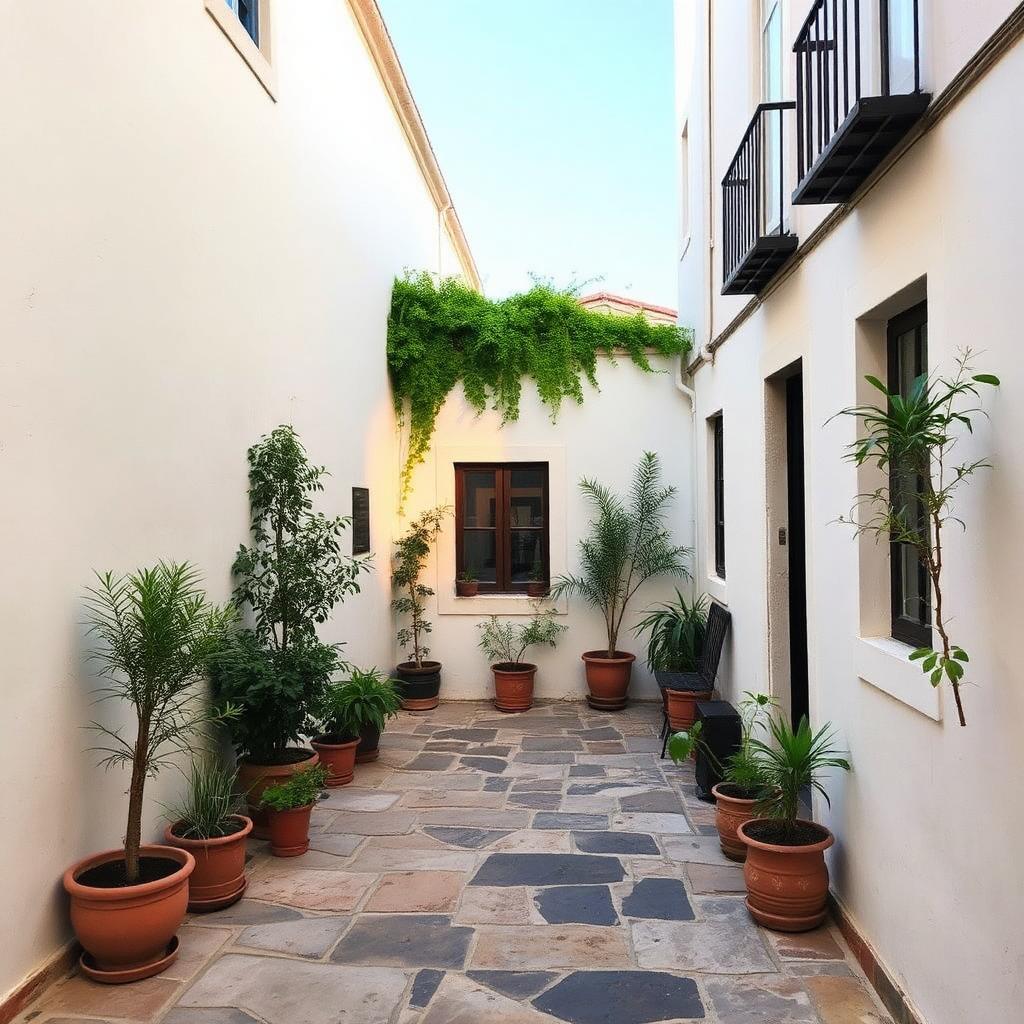
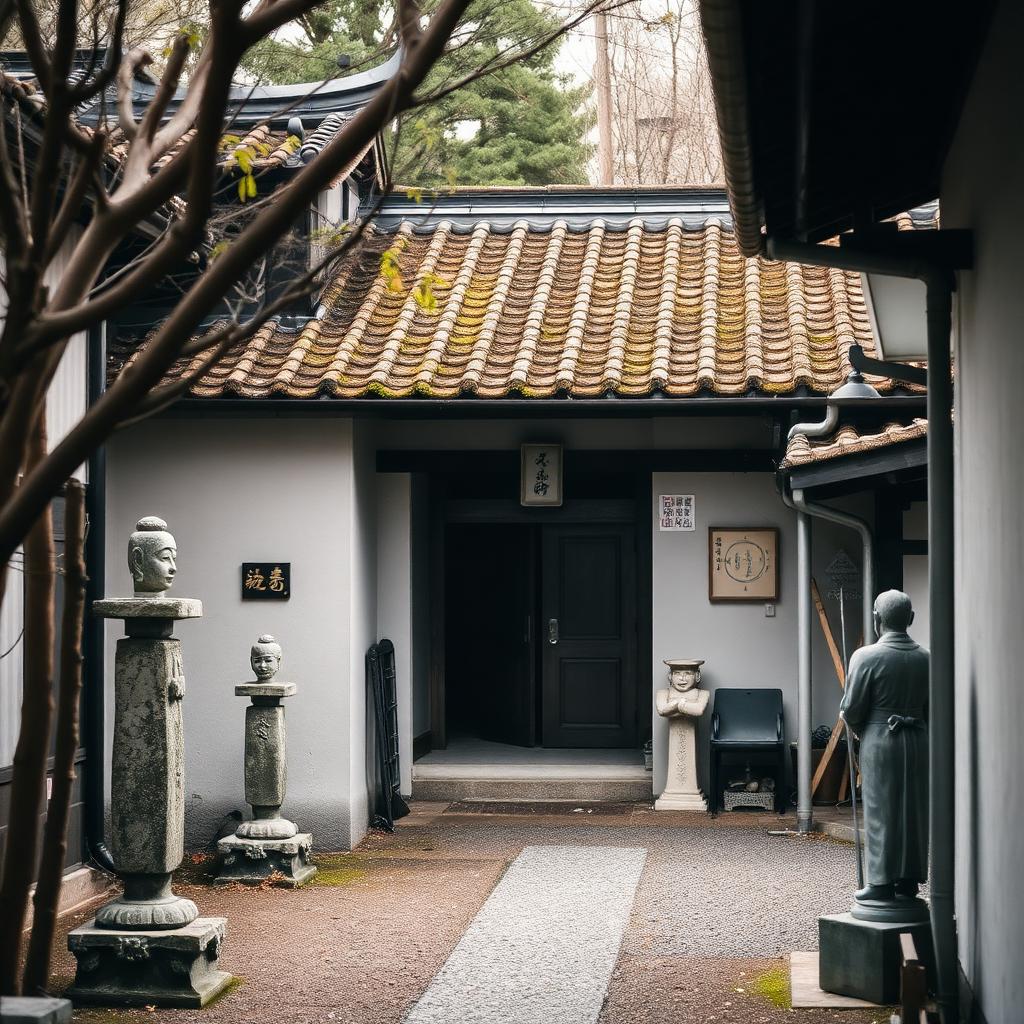
Between the temples, the alleys are the point. Try Sansaki-zaka, the sloping street that leads down toward the Yanaka Ginza market. On a Tuesday morning at eight, you will pass a small tofu maker slicing fresh blocks into water tubs, a bakery whose owner leaves the shop door open so the smell reaches the next corner, and an old man watering the potted plants that line the outside of his house. None of this is arranged for tourists. Some of it will still be there in ten years. Some will not.
Yanaka Ginza and the mid-morning routine
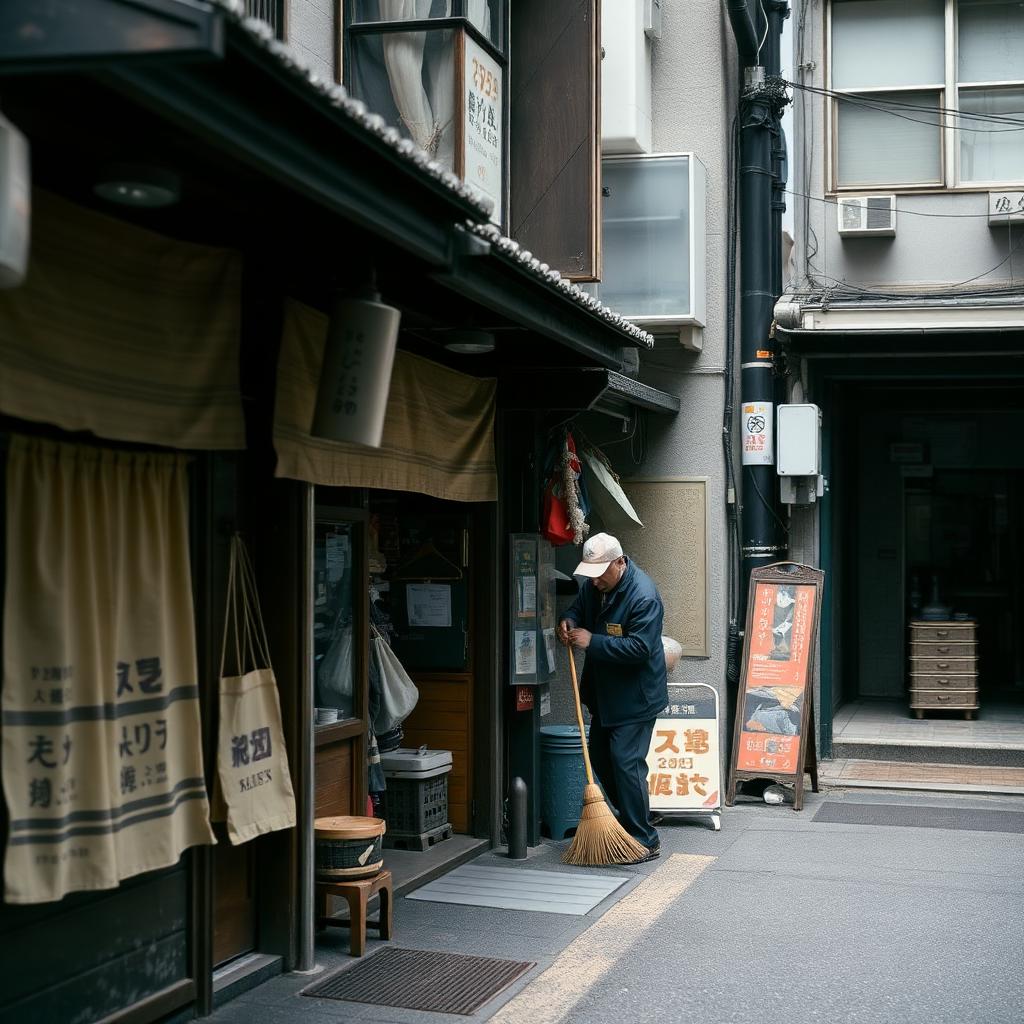
The Yanaka Ginza is a single pedestrian street about a hundred and seventy meters long, lined with roughly sixty small shops. It is not a tourist attraction; it is the neighborhood's actual grocery. Come between nine and ten, before the tour groups arrive, and you can watch the fishmonger cutting sanma for the day's stock, the pickle shop measuring out umeboshi by weight, and the small bakery that sells a single kind of croquette bread that always sells out by lunch.
The staircase at the eastern end of the street is called the Yuyake Dandan, the sunset stairs, and it is the neighborhood's most photographed spot for good reason. In the late afternoon the sun sets directly down the axis of the market, and the whole street glows orange for about twenty minutes. If you can plan a walk to end here at that hour, it is worth the day.
For lunch, walk two blocks north to Kayaba Coffee, a 1938 kissaten with tall windows and a menu that has barely changed in eighty years. The tamago sando, egg salad on soft milk bread, is the local order. Sit upstairs at the window seat and watch the street below. There is no wifi. No one is on their phone.
The small museums, the workshop that still cuts paper
Yanaka has three small museums worth an hour each. The SCAI The Bathhouse gallery converts a 1787 public bathhouse into a contemporary art space; the entry is under the original tiled arch. The Asakura Museum of Sculpture is the preserved studio and home of the sculptor Fumio Asakura, with a rooftop garden and a light-filled central pool that alone justifies the ticket. And the tiny Isetatsu paper shop on Shinobazu-dori, in operation since 1864, still hand-cuts chiyogami patterns using woodblocks that date to the Meiji era.
Between visits, the neighborhood repays anyone who walks with no plan at all. Turn any corner and you will find a shrine the size of a phone booth, a two-hundred-year-old cherry tree behind an iron gate, a workshop where someone is patiently mending a torn kimono. This is the point of Yanaka: it does not perform. It just quietly continues being itself.
Do not photograph residents without permission. Do not enter open doorways unless you are invited. If a shop looks closed but the noren curtain is out, the shop is open. If the curtain is in, it is closed. This code is universal in the old neighborhoods and worth learning early.
Practical notes
- Weekday mornings before ten are the calmest. Weekends bring day-trippers from central Tokyo.
- Bring cash. Many of the older shops do not take cards, and few take contactless.
- Kayaba Coffee closes on Mondays. Isetatsu is closed on Wednesdays.
- The whole loop from Nippori to Sendagi is walkable in a slow half day.
Yanaka is not preserved as a museum piece. It just happens to have kept living the way it always did, and that is worth an unhurried morning more than most of the famous Tokyo sights combined.