Armenia's Vayots Dzor, Between Vineyards and Monasteries
The old wine country of southern Armenia, where the oldest winery in the world sits under a monastery.
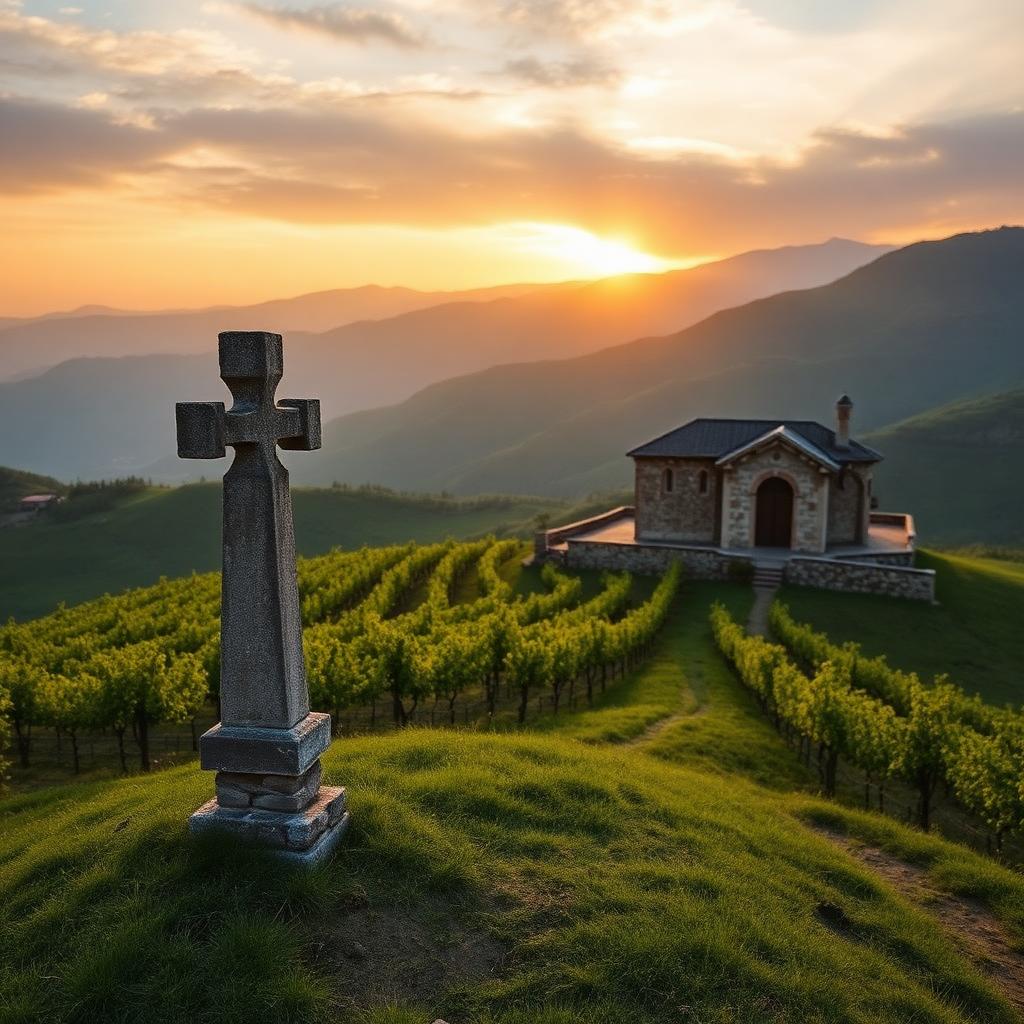
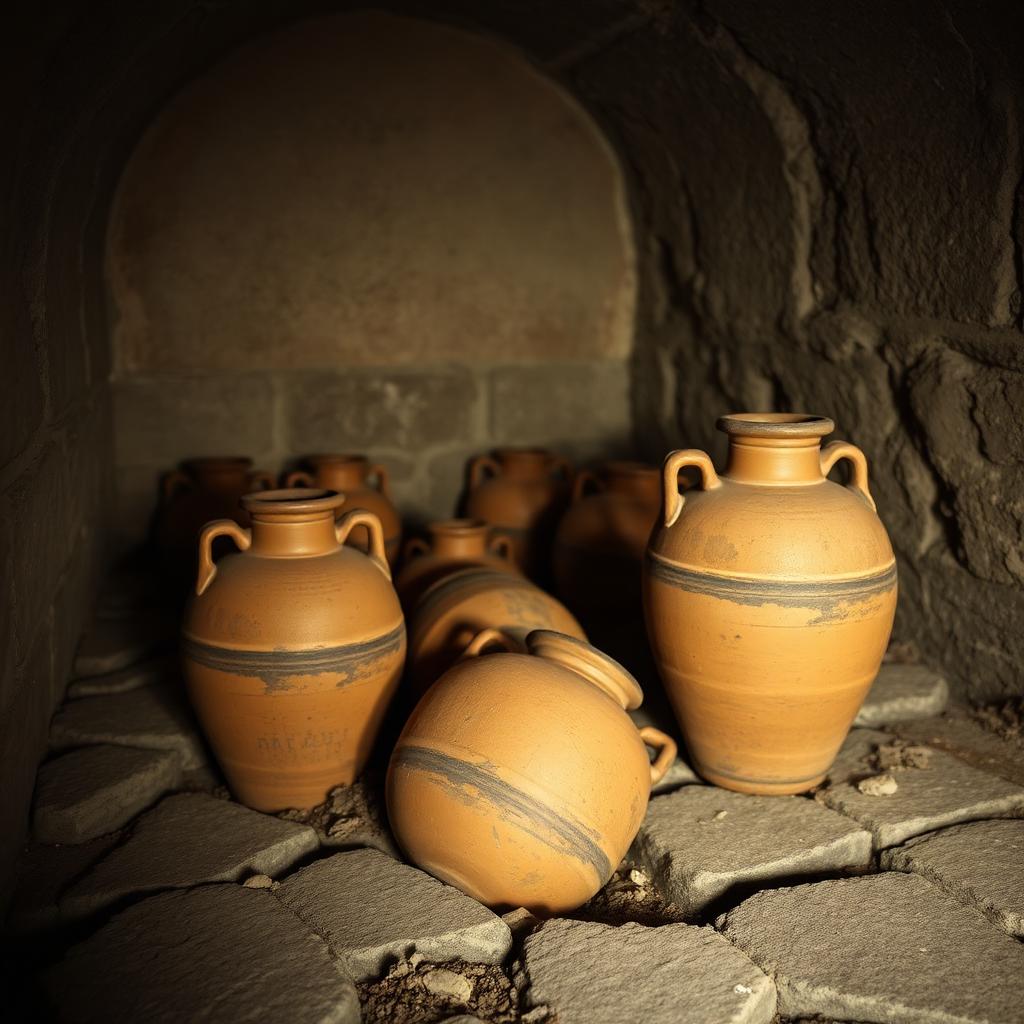
In 2011, archaeologists working in the Areni-1 cave complex in southern Armenia uncovered a six-thousand-one-hundred-year-old winery, complete with grape pips, a shallow clay pressing floor, and fermentation jars. It is the oldest known winery in the world, and it sits half an hour's drive from a set of monasteries that between them mark the medieval history of one of the earliest Christian countries on earth. The whole loop, through the Vayots Dzor region, is about two hundred kilometers south of Yerevan and one of the most rewarding two-day trips in the Caucasus.
Areni village, the cave, the winery
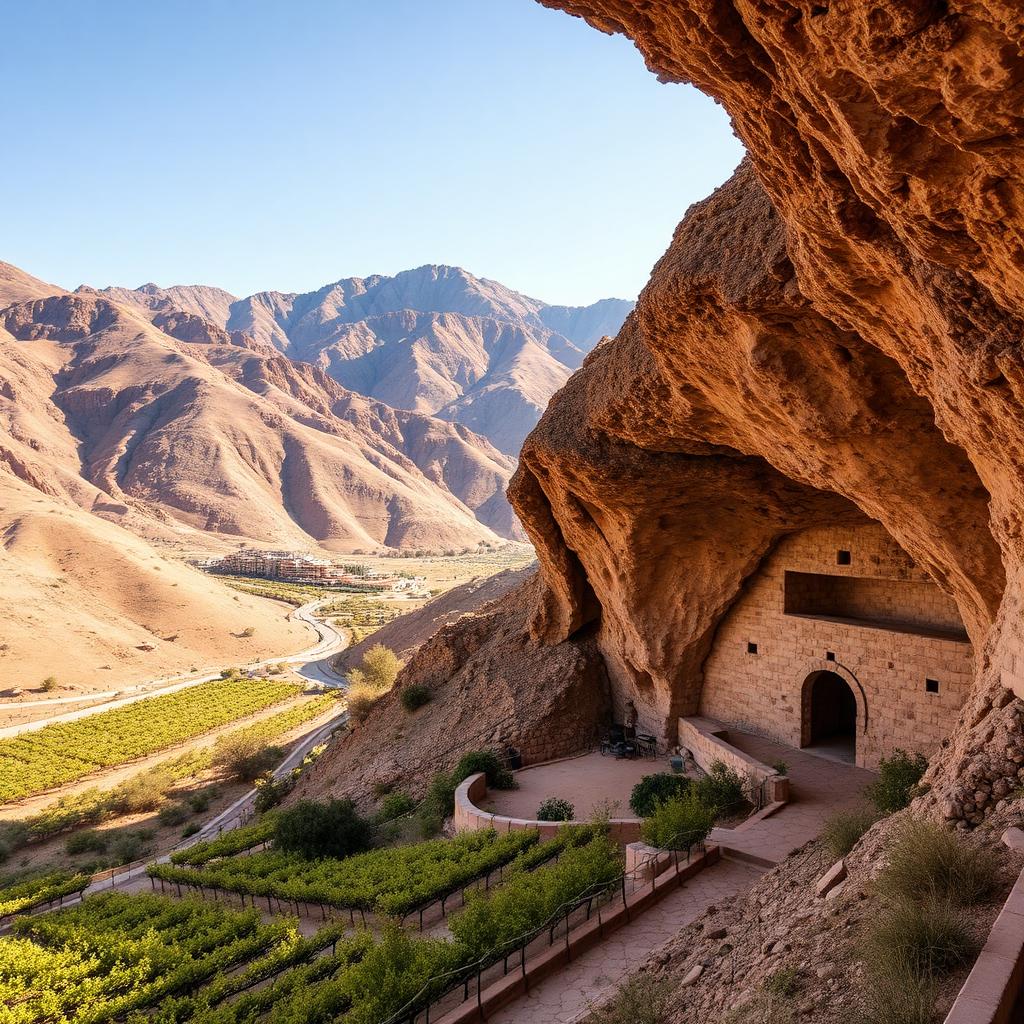
The village of Areni sits in a red sandstone valley about a hundred and twenty kilometers south of Yerevan on the road to Iran. Its winery, still producing under the Areni-1 label, sells one of the classic Armenian dry reds from the indigenous Areni Noir grape, which has been cultivated in this valley for at least four thousand years. The tasting room, above the vineyards, offers a set flight for a small fee and includes visits to the modern cellar and, on request, a walk down through the vine rows.
Above the village, the Areni-1 cave itself is open to visitors on a small guided tour. The cave is dry, cool, and the excavated winery floor is still visible under a protective grate. The guides explain the archaeology in careful English, and the visit takes about forty-five minutes.
Noravank, the two-storey monastery
From Areni, drive fifteen minutes up a narrow gorge to Noravank, one of the great medieval monastic complexes of Armenia. The monastery sits on a rocky ledge above the gorge, with red cliffs rising on three sides. Its main church, Surb Astvatsatsin (Holy Mother of God), built in 1339 by the architect Momik, is a rare two-storey structure with an external stone staircase that clings to the front face of the building. Climbing to the upper storey is safe but requires a head for heights.
The site includes two other churches and a small carved-stone workshop where the medieval khachkars (cross-stones) that dot the complex were made. Give it a full morning, especially in September when the low light along the gorge cliffs turns the sandstone deep red.
Selim Pass and Lake Sevan
From Vayots Dzor, the drive north to Lake Sevan crosses the Selim Pass, at 2,410 meters. Just below the summit on the south side is the Selim Caravanserai, a fourteenth-century way-station on the Silk Road, built in 1332 by the Orbelian princes to shelter merchants and their pack animals from Caucasus weather. The building is largely intact, with a long central nave, side stalls for animals, and small alcoves for people. Entry is free.
On the far side of the pass, Lake Sevan opens out. Base for the night at the peninsula near Sevanavank monastery, which sits on a hilltop above the water with a view south across the whole lake. Dinner should include Sevan trout (ishkhan), the endemic species, ideally grilled whole.
Practical notes
- The loop from Yerevan is two full days minimum. Three lets you slow down.
- Rent a car in Yerevan. Roads are paved but narrow, and the Selim Pass is steep.
- Armenian wine is inexpensive and worth bringing home. Areni Noir and Voskehat are the two to try.
- Bring a scarf for church visits. Women may want to cover shoulders and hair at active monasteries.
Vayots Dzor gives you the oldest winery on earth and a set of thirteenth and fourteenth-century monasteries in one loop. Rent a car, take three days, and drink the wine.