Kerala's Backwater Villages, Off the Houseboat Route
The narrow canals and canoe-only villages of Alappuzha's inner backwaters.
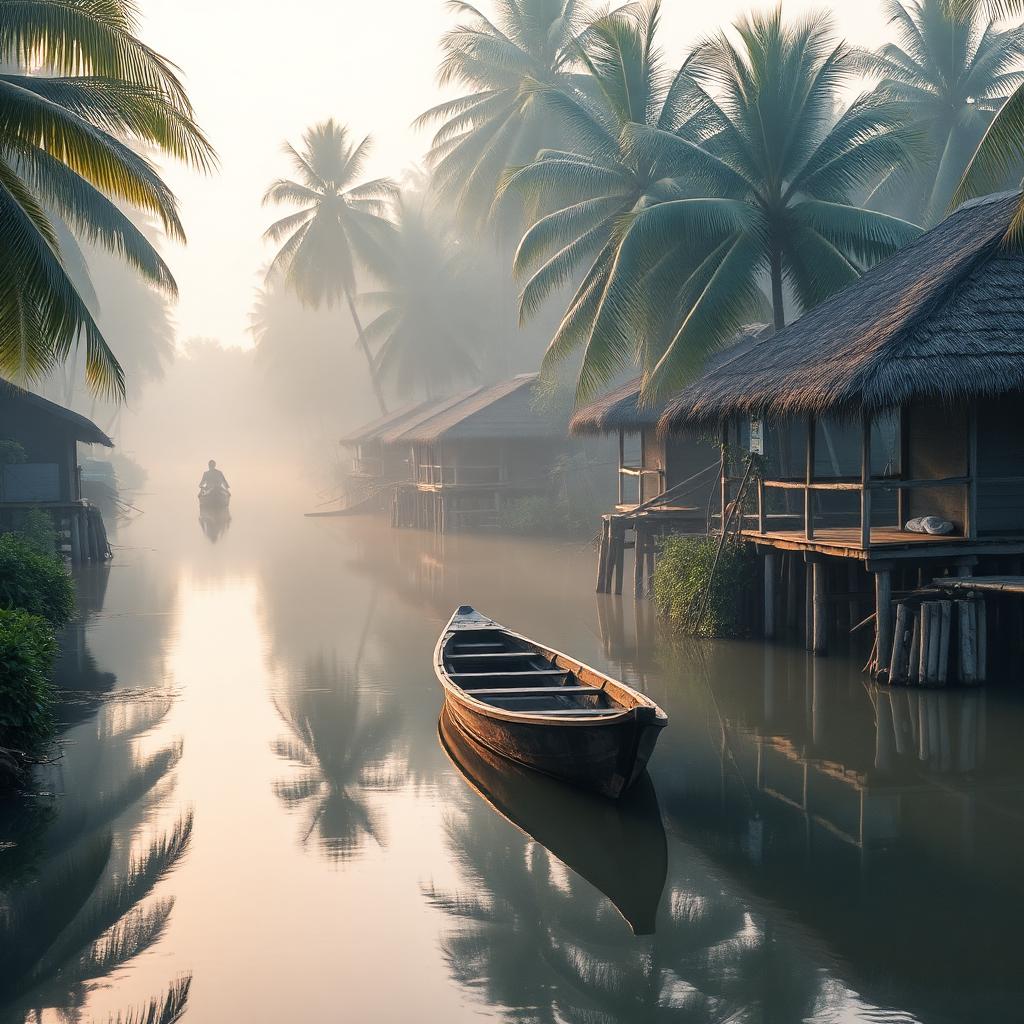
Almost everyone who visits Kerala's backwaters does the same trip: a hired houseboat from Alappuzha, on the main Vembanad canal, out to the lake, one night on board, back to the pier in the morning. It is a fine trip, and the boats are comfortable, but the water you see is the main highway of the backwaters, wide and busy. The interesting travel is on the narrow inner canals, some of them barely wider than a canoe, where the villages have no road access and daily life still runs on paddles.
Kainakary and the smaller boats
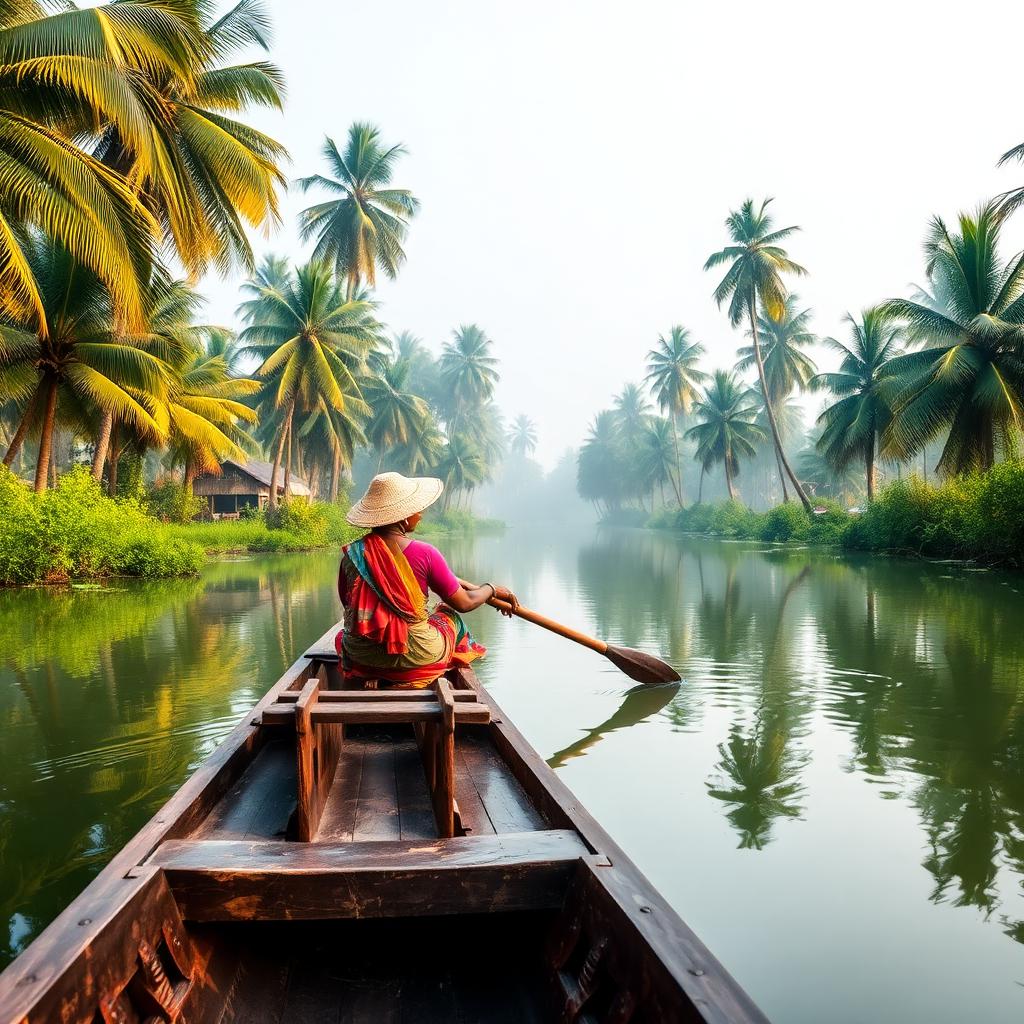
The village of Kainakary sits on a maze of small canals about ten kilometers north of Alappuzha. It has road access at the edges, but most of the village itself is arranged along water lanes that are too narrow for a houseboat. To see it properly, hire a small country canoe, called a vallam, from one of the local boatmen. A four-hour paddle costs a small fraction of a houseboat night and includes tea at the boatman's home.
The canoes are handmade from anjili wood, sit six or eight people, and are paddled from the stern by a single boatman. In the morning the canals are busy with children paddling to school, women drying clothes on stone steps that lead down to the water, and small motorised passenger boats that serve as the local bus. By late morning the traffic thins out and the water settles.
The best time is between six and nine in the morning. The water is cool, mist sits between the palms, and the light comes in low across the paddy fields. Bring a hat and a light shirt; the sun climbs fast.
Homestays and eating in the village
Instead of a houseboat, stay at one of the small homestays in Kainakary itself. Most are family houses with two or three rooms, with breakfast and dinner cooked in the family kitchen. The food is a straight introduction to Central Kerala home cooking: rice, sambar, thoran of cabbage and coconut, karimeen pollichathu (pearlspot fish grilled in banana leaf), and appam with stew in the morning.
Homestays here are inexpensive relative to the houseboat market, and the money goes directly to the family. Ask about their permits when you book; the licensed ones are worth choosing.
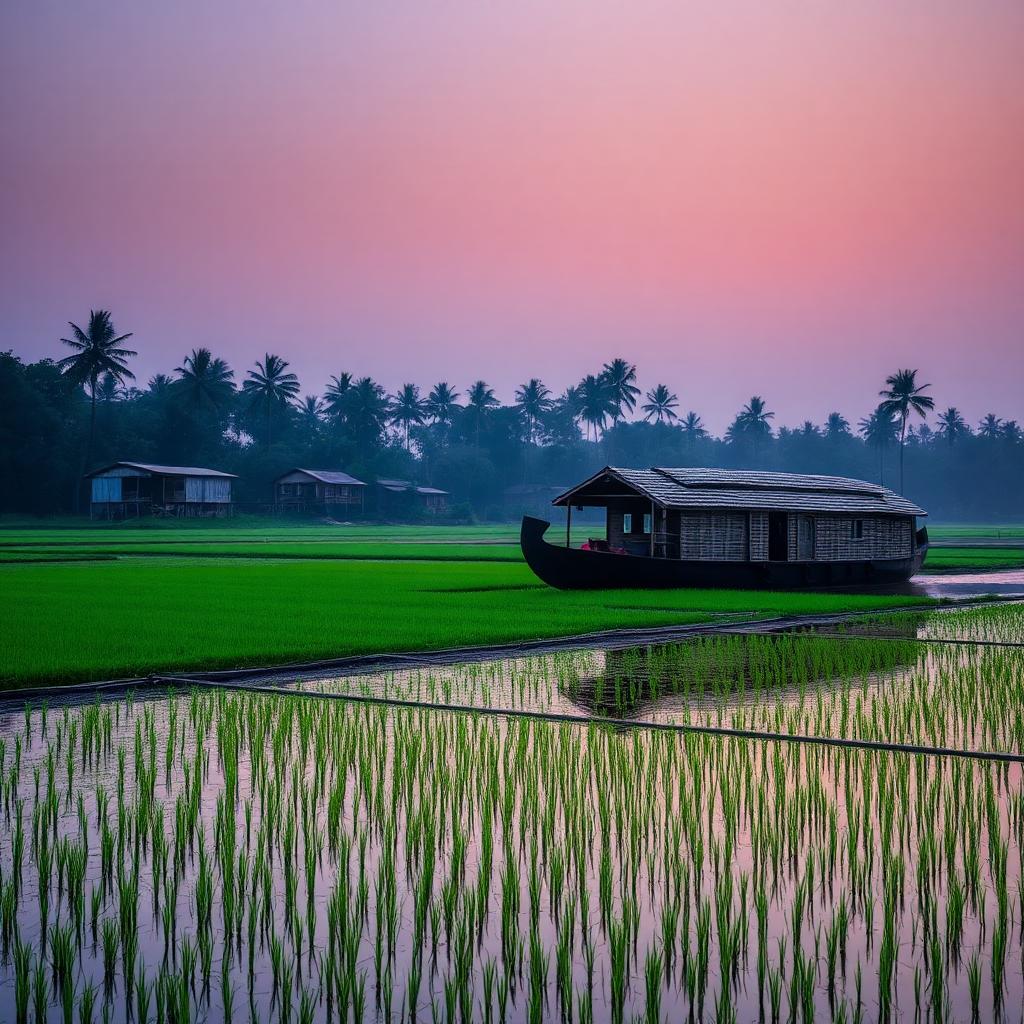
In the evening, the family will usually take you out for a short paddle to see the sunset over the paddy fields, which are below sea level and flood in monsoon. The dyke-work here, some of it dating to the sixteenth century, is a slow-water engineering system that turned a lake into farmland and is still a matter of daily maintenance.
Champakulam, and the church on the water
For a longer trip, paddle south to Champakulam, a village on the Pamba river with one of the oldest churches in Kerala. St Mary's Forane Church, first built in AD 427 and rebuilt several times, sits directly on the bank of the river, and its whitewashed walls and steep tiled roof are visible from the water for a long approach.
Champakulam is also the home of the Champakulam Moolam boat race, the oldest of the Kerala snake boat races, held in the middle of July. If you can time your visit to the race, do; the whole village lines the banks, and the long narrow boats, some with over one hundred rowers, are one of the great water spectacles in India.
Practical notes
- Avoid the peak Christmas week. December and January are otherwise excellent.
- The monsoon (June to September) is when the paddy fields are green and the light is best; some boats do not run.
- Book homestays through the Kerala Tourism Responsible Tourism Mission, which certifies village programs.
- Bring a light rain jacket year round. Squalls are brief but heavy.
The backwaters are worth the trip. Skip the standard houseboat night if you can, and spend two nights instead in a village that only opens up to a small paddle boat.