The Catlins, New Zealand's Forgotten South Coast
Sea lions on empty beaches and a lighthouse at the end of the road.
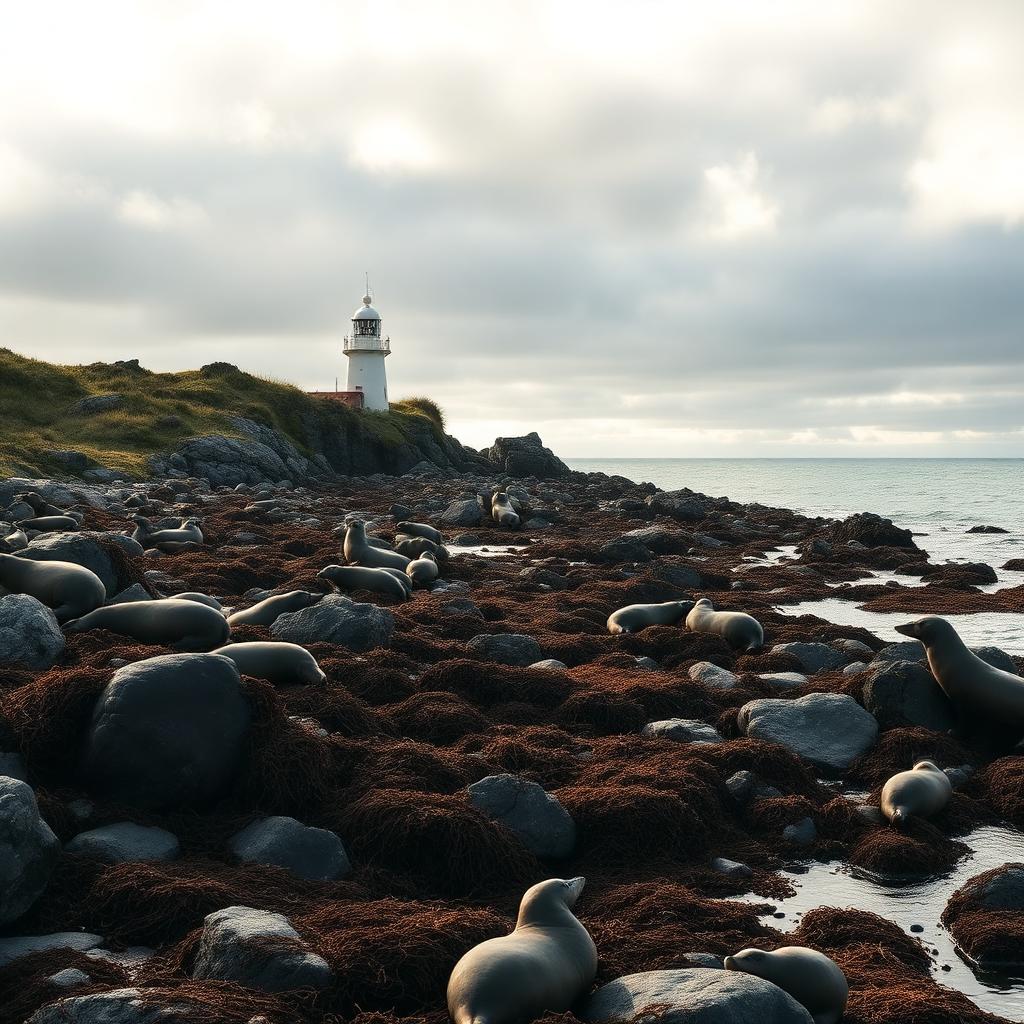
The Catlins is a stretch of coast on the southeast corner of New Zealand's South Island, between Balclutha and Invercargill. Nearly every visitor to the South Island drives from Christchurch to Queenstown and then flies out, skipping the two-day loop that includes the Catlins entirely. Their loss. The coast here is a set of long empty beaches, three lighthouses, a rainforest that comes right down to the sand, and colonies of sea lions and yellow-eyed penguins that are among the most accessible in the country. It is also, quite reliably, empty.
Nugget Point and the first evening
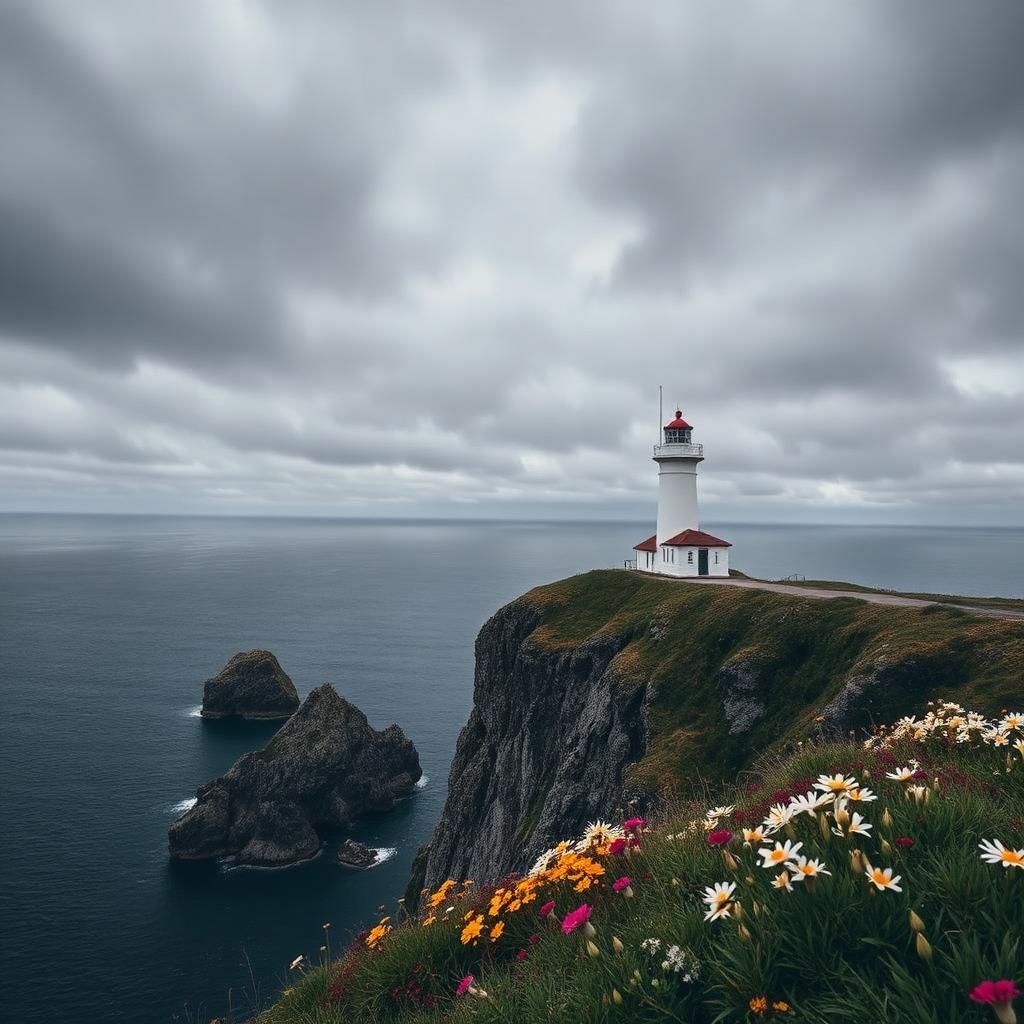
The classic starting point is Nugget Point, at the northern end of the Catlins coast. The lighthouse, built in 1869, sits at the end of a narrow headland with sheer cliffs falling to a set of rocky islets, the nuggets themselves, on which fur seals haul out year-round. The walk from the car park to the lighthouse takes fifteen minutes on a flat gravel track and is worth doing at dusk, when the light picks out the seals on the rocks below and the sea beyond turns dark blue.
Below the headland, in a small cove called Roaring Bay, is a viewing hide for yellow-eyed penguins. The penguins come ashore between about four and six in the afternoon during the breeding season (October to March), and the hide is close enough to watch them without disturbing the birds. Sit quietly; the penguins are extremely wary of noise and movement.
Purakaunui and the rainforest interior
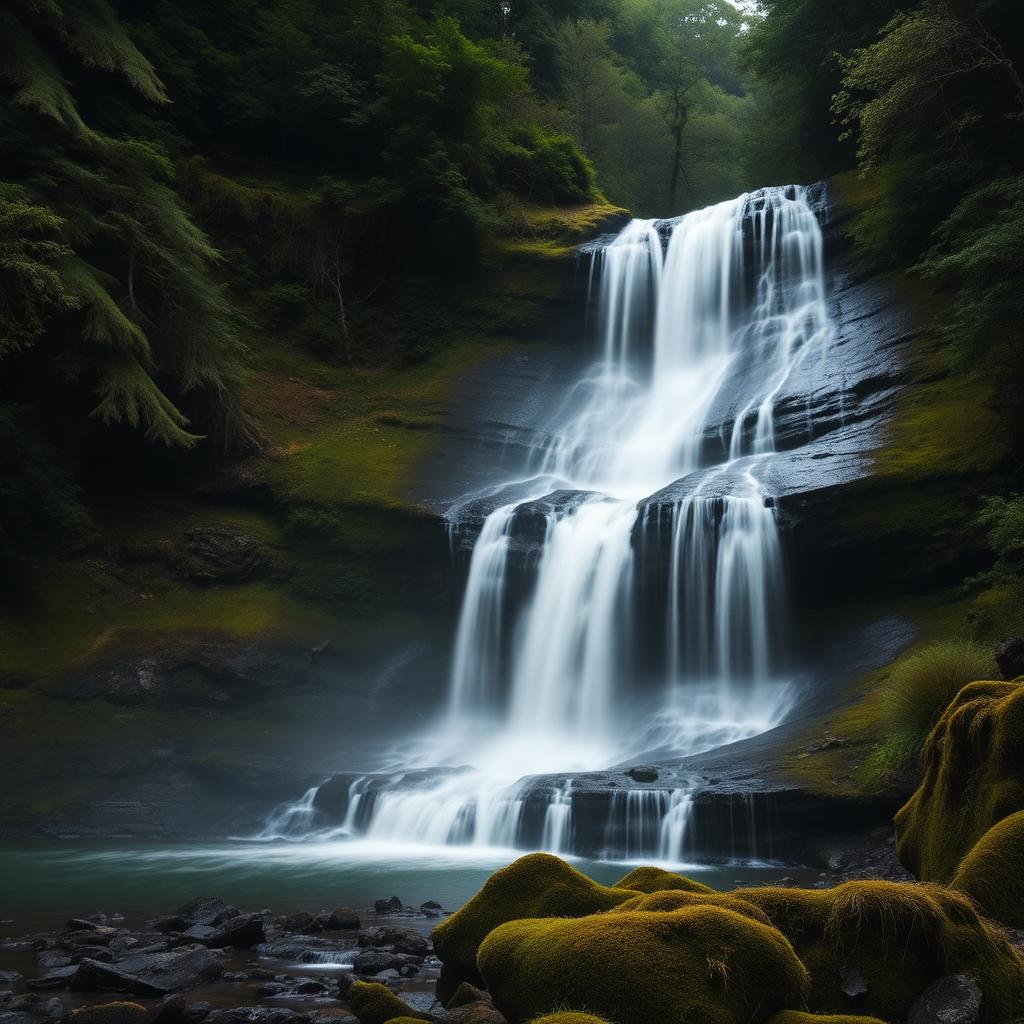
Twenty minutes inland from the coast, Purakaunui Falls is a three-tiered waterfall in a stand of silver beech and podocarp rainforest. The walk from the car park is short, on a boardwalk that keeps foot traffic off the delicate root systems of the beeches. The falls themselves are moderate in size but the setting, the light through the beech canopy and the moss on every surface, is what people come for.
For a longer walk in the same forest, the McLean Falls track climbs a small stream through ferns for about forty minutes to a taller and more dramatic set of falls. The walk is easy but wet; wear boots with grip.
Base for these interior walks in Owaka, the main town of the Catlins. It has one supermarket, two cafes, and a small museum in a former Methodist church that includes the original 1889 Owaka fire truck. The museum takes half an hour and is genuinely charming.
Curio Bay, sea lions, and the fossil forest
The southernmost accessible point on the loop is Curio Bay, home to a pod of Hector's dolphins, a Hooker's sea lion haul-out, and a Jurassic fossil forest exposed at low tide. The fossil forest, about 170 million years old, includes tree trunks preserved in the sedimentary rock of the platform. At low tide you can walk across the platform and see the trunks in cross-section, each one about a meter thick.
Sea lions here are the real thing: two to three hundred kilograms, territorial, and they do not scare of a person. If you find one on the path, back away slowly and take the long way around. They can move surprisingly fast when they choose to, and the standard advice, twenty meters minimum, is the sensible one.
For a night in the area, the Curio Bay Accommodation eco-lodge has small self-catering units above the bay. The dolphins often surf the waves at the beach directly below the lodge in the early evening; watching them from the deck with a glass of local pinot noir is close to the whole point of the trip.
Practical notes
- The loop needs at least two days. Three is better.
- Fuel up in Balclutha or Owaka. The southern end of the loop has no petrol.
- Weather is Southland weather: cold and wet even in summer. Waterproof shell essential.
- Do not approach sea lions or penguins. Keep dogs on lead everywhere along the coast.
The Catlins is the version of the South Island coast that has not been photographed to death. Rent a small car in Dunedin, take a slow loop, and stop at every viewpoint. All of them are worth it.