Cres, the Slow Adriatic Island
Sheep tracks, olive groves and one long road down the spine of an under-visited Croatian island.
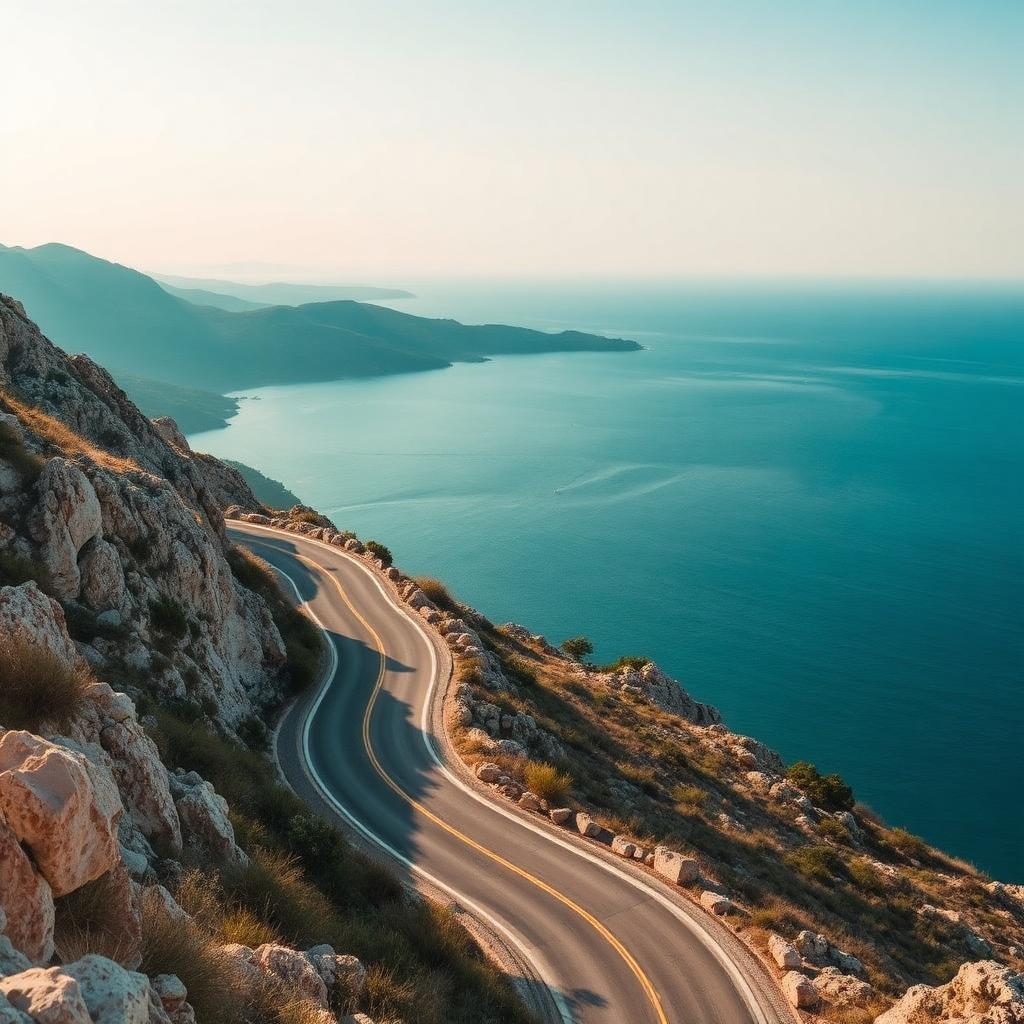
Cres is the second largest island in Croatia and almost certainly the least visited relative to its size. It has one main road, a population of a few thousand, and roughly a hundred and thirty kilometers of coastline, most of it empty. Ferries from Brestova on the mainland take twenty minutes. Once you are on the island, you can drive its full length in two hours or spend a week going nowhere.
The town of Cres
The town of Cres, on the western coast, is a small Venetian-era harbor with a triangular main square, a Loggia from the sixteenth century, and one clock tower. It is worth a night. There are two or three konoba restaurants that serve Cres lamb, the specialty of the island. The sheep here have been raised on wild sage and rosemary for centuries, and the meat is unmistakable.
Behind the town, a walk of about an hour brings you to the small chapel of Sveti Ivan, built onto a limestone outcrop with a view down over the harbor. Late afternoon is the best time; the light on the water is the color of good honey.
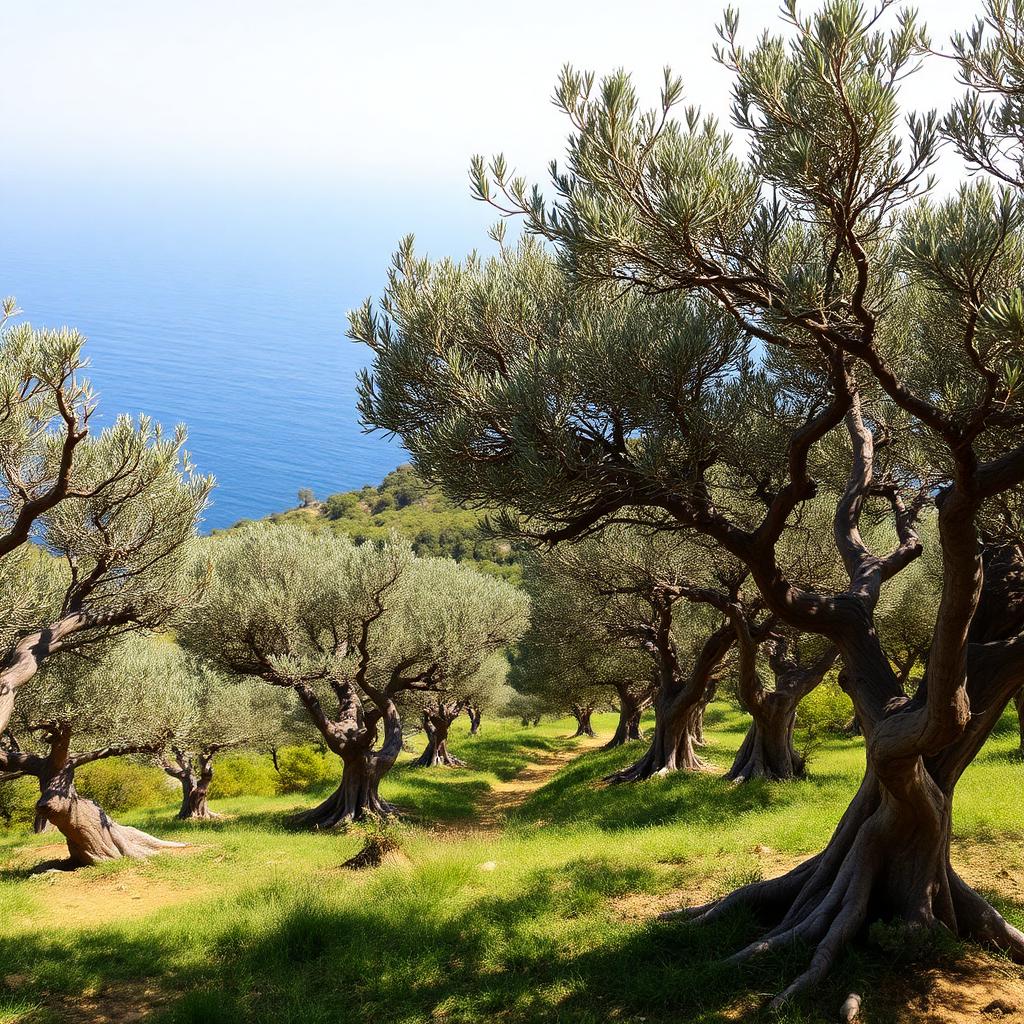
Beli and the northern half
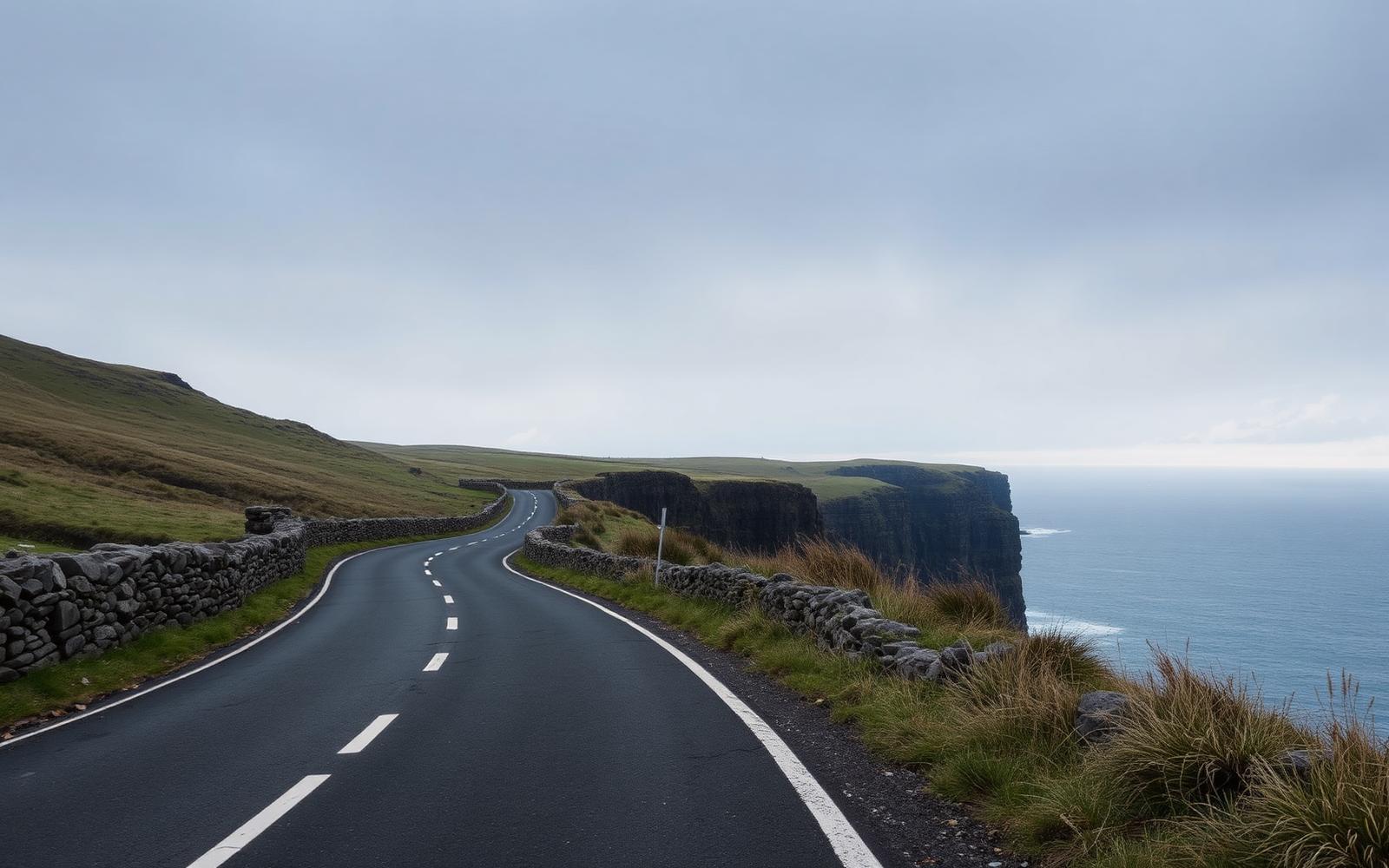
The northern half of the island, called Tramuntana, is a plateau of holm oak forest, drystone walls and cliffs. The village of Beli, on the eastern edge, has about thirty year-round residents and a griffon vulture research center; the last griffon vultures of the northern Adriatic breed on the sea cliffs here. The center runs guided walks along the cliff path.
Below Beli, a narrow trail switchbacks down to a small pebble beach called Uvala Meli. It takes about forty minutes to descend and an hour to climb back up. There is no shade at the beach and no facilities. Bring water.
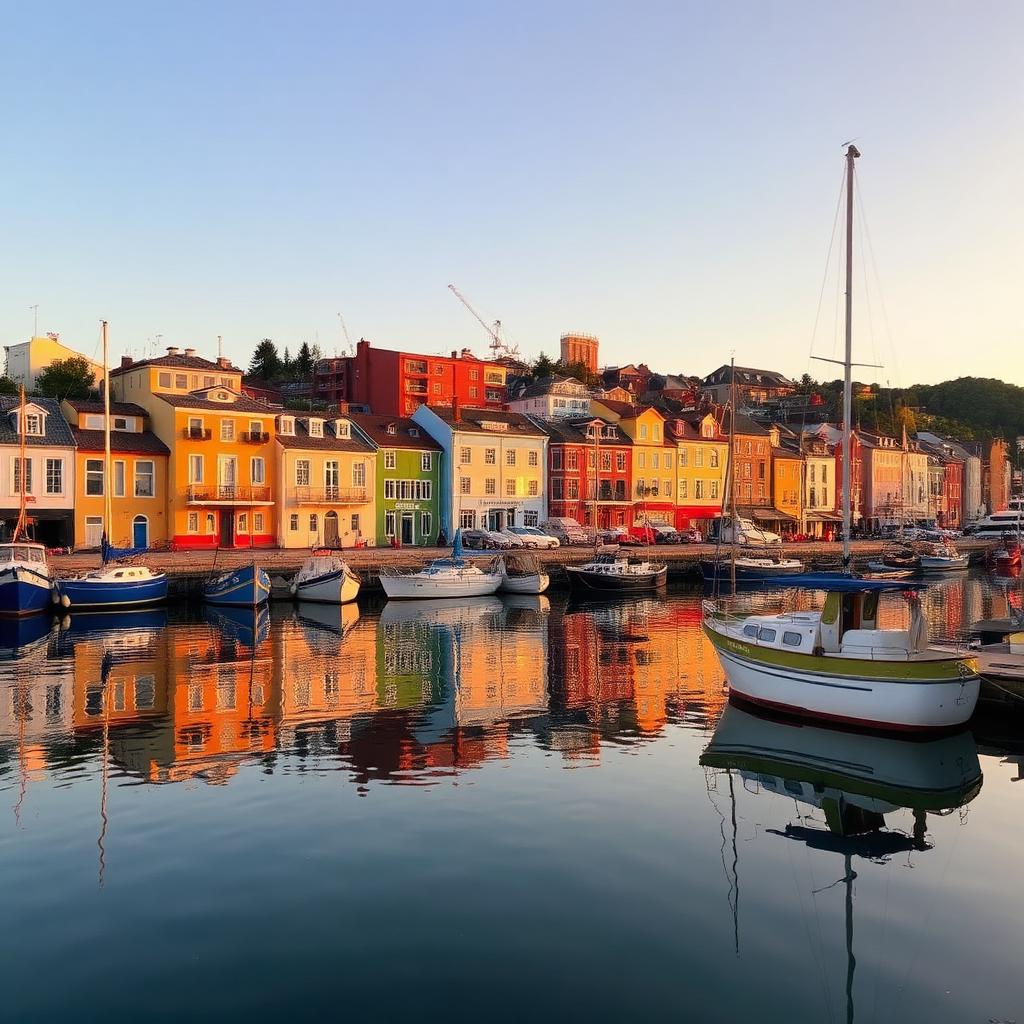
Lubenice and Valun
On the west coast, the tiny hilltop village of Lubenice sits three hundred and seventy meters above the sea, at the end of a bumpy access road. It has perhaps twenty year-round residents and one seasonal cafe. From the village a steep path descends forty minutes to Sveti Ivan cove, a horseshoe of white pebble that is regularly cited as one of the best beaches in the country. It stays quiet because most people are not willing to make the walk back up in the sun.
Just below Lubenice, the coastal village of Valun is a small Glagolitic-script center, where you can see the eleventh century Valun Tablet in the parish church. The village also has one of the better small konobas on the island, Konoba Toš Juna, run by a family that presses its own olive oil.
Practical notes
- Rent a car in Rijeka or on the island itself. Public transport is minimal.
- The main road narrows in places. Drive slowly, especially past sheep.
- Bring water for beach walks; most of the coves have no facilities.
- Late May, June and September are ideal. July and August are hotter and, in a few coves, busier.
Cres does not perform. It is an island of walls, sheep, olive oil and empty coves, and it rewards a slow week more than a fast weekend.