Empty Lofoten, Between the Fishing Seasons
Red rorbu cabins and quiet fjords in the shoulder months, when the Arctic islands belong to themselves.
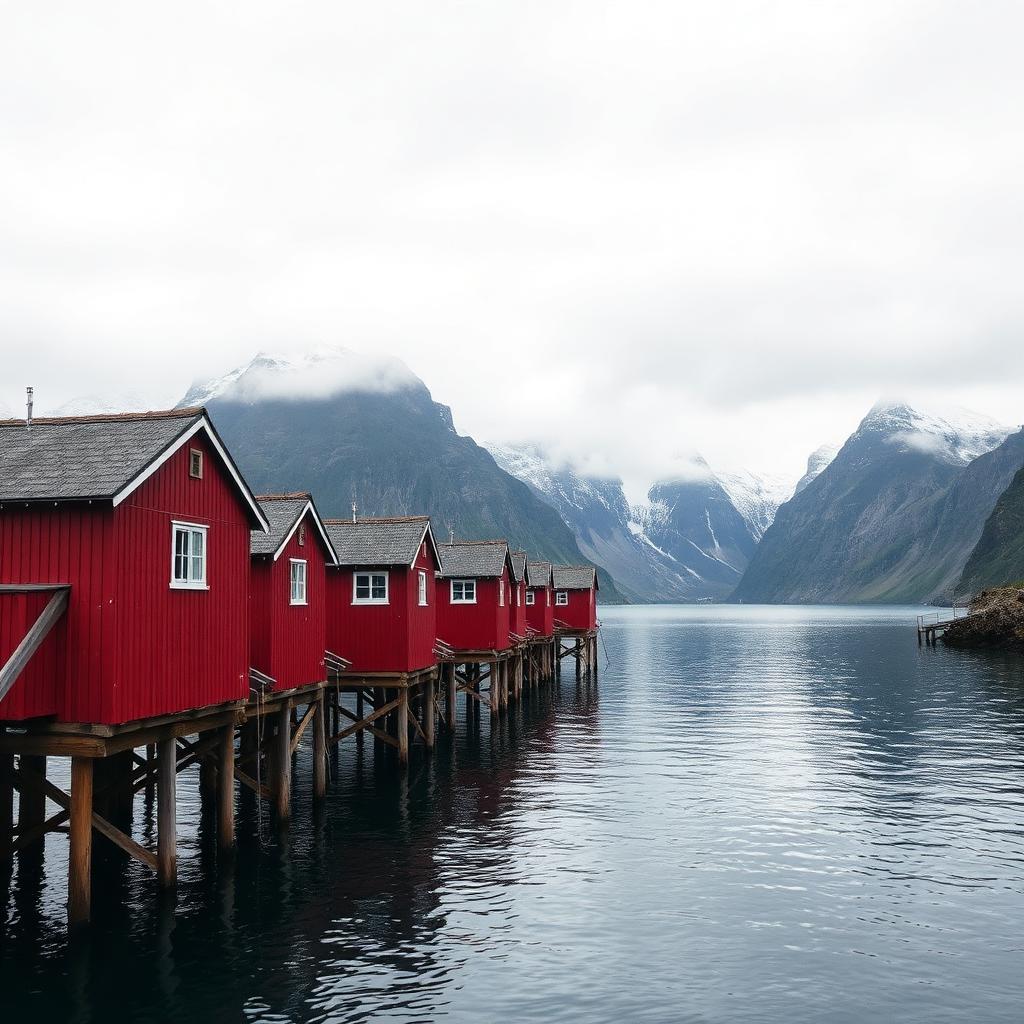
The Lofoten archipelago has, in the last decade, become the poster picture of Arctic Norway: red wooden cabins on stilts above still water, jagged peaks going straight up out of the sea, northern lights over Reine. Most of those photographs were taken in a narrow window in February or in July. Come six weeks before or after those peaks, and the islands empty out. You get the same water, the same mountains, and half the people, in the two shoulder seasons that Norwegian travellers know about and almost no one else does.
Arriving via Bodø and the Moskenes ferry
Fly to Bodø, on the mainland, and take the four-hour car ferry across the Vestfjord to Moskenes, at the western end of the archipelago. The ferry runs multiple times a day and is not a scenic add-on; it is a working vessel that also happens to cross one of the great pieces of North Atlantic water. In late April or in early October, when the tourist crowds are gone, you may be one of ten cars on the deck. The crossing takes you past the outer islands of Værøy and Røst, and if the weather is right you will see sea eagles at close range along the way.
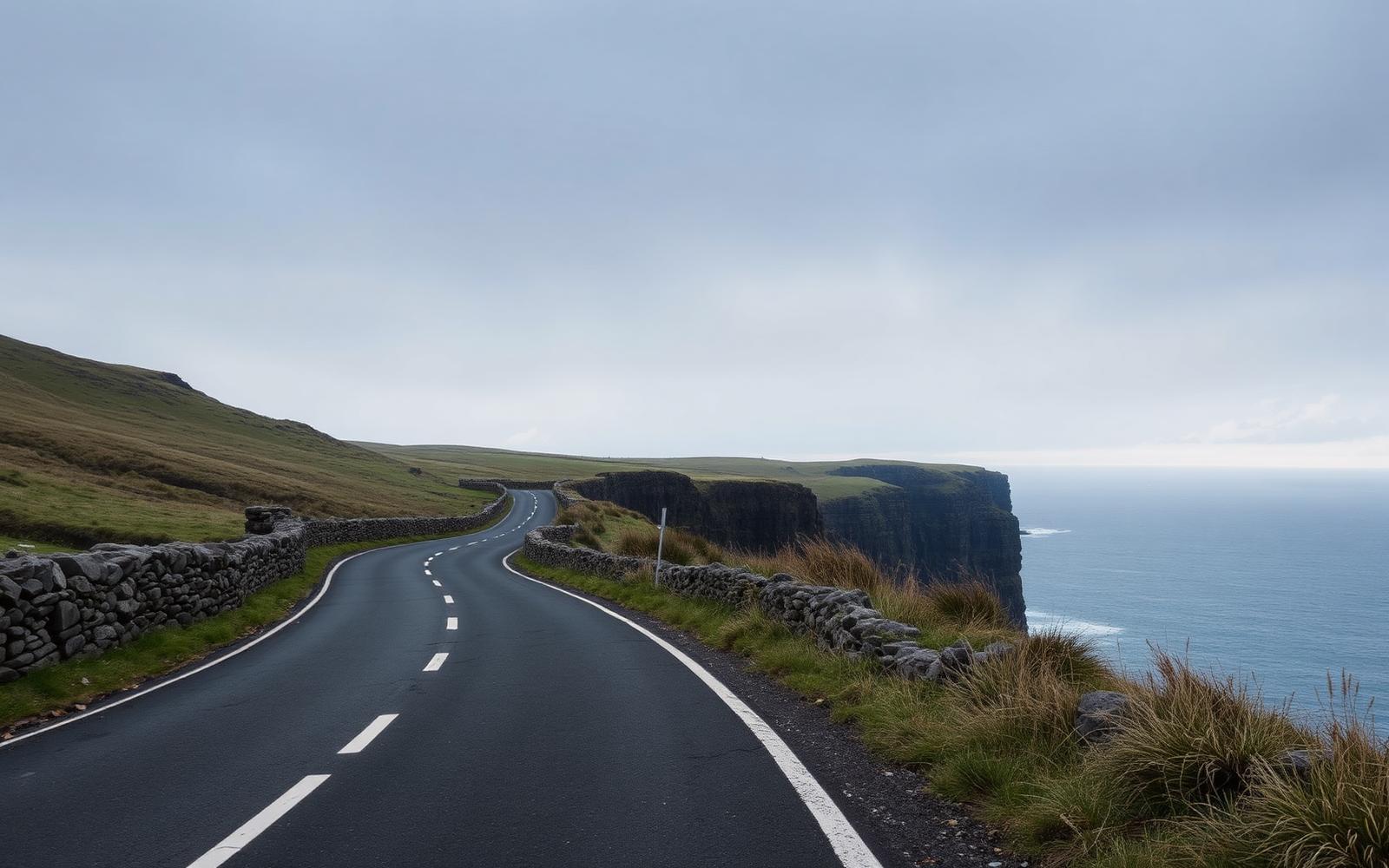
Renting a car on the Lofoten side is essential. The E10, the single road that runs the length of the archipelago, is what stitches the islands together, and outside of the peak months the road is quiet. Petrol stations are far apart. Fill the tank whenever you pass one.
Rorbu, and what they actually were
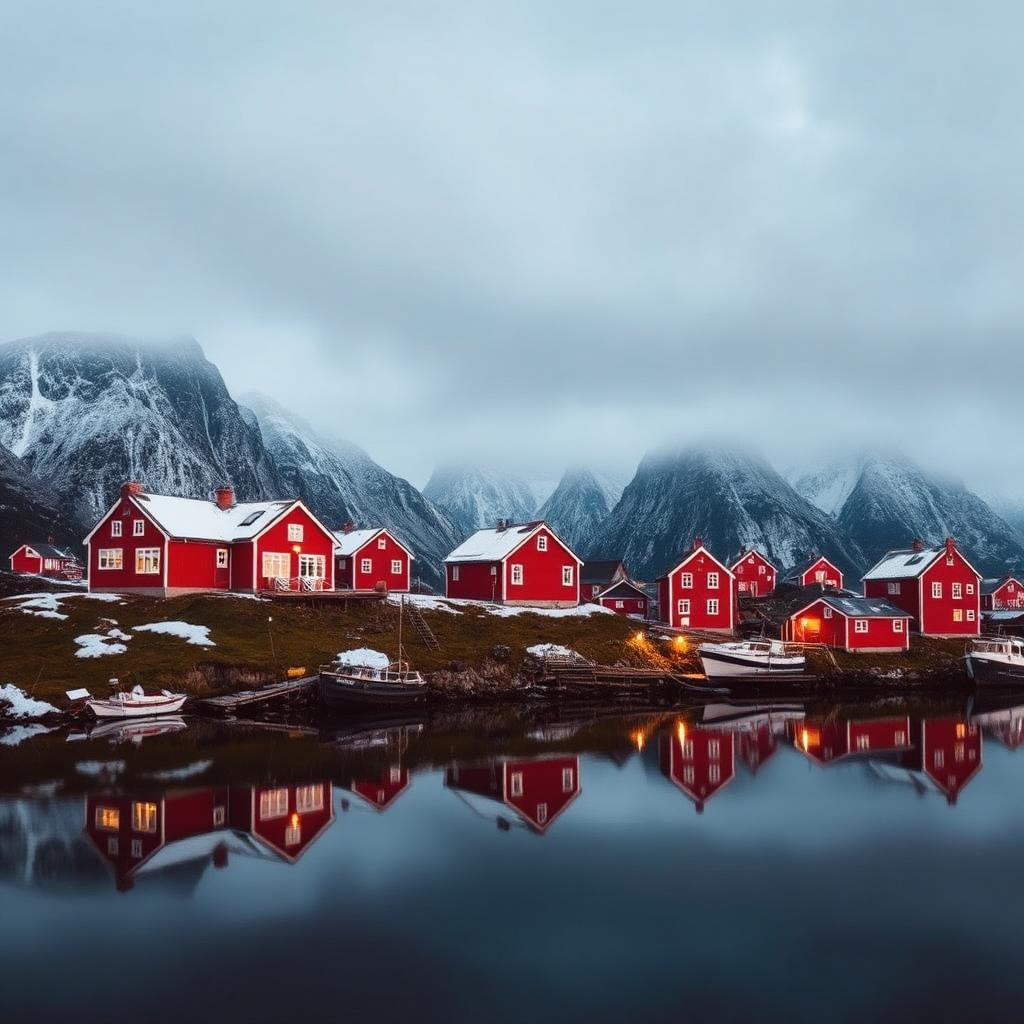
The red cabins are called rorbuer. They were built as seasonal housing for the winter cod fishery, when fishermen from all along the coast rowed to Lofoten between January and April to catch the spawning cod that came in from the Barents Sea. Some rorbuer are two hundred years old. Most of the ones you can rent are much newer, built to the same simple pattern of red pine cladding, white window frames, and a small pier.
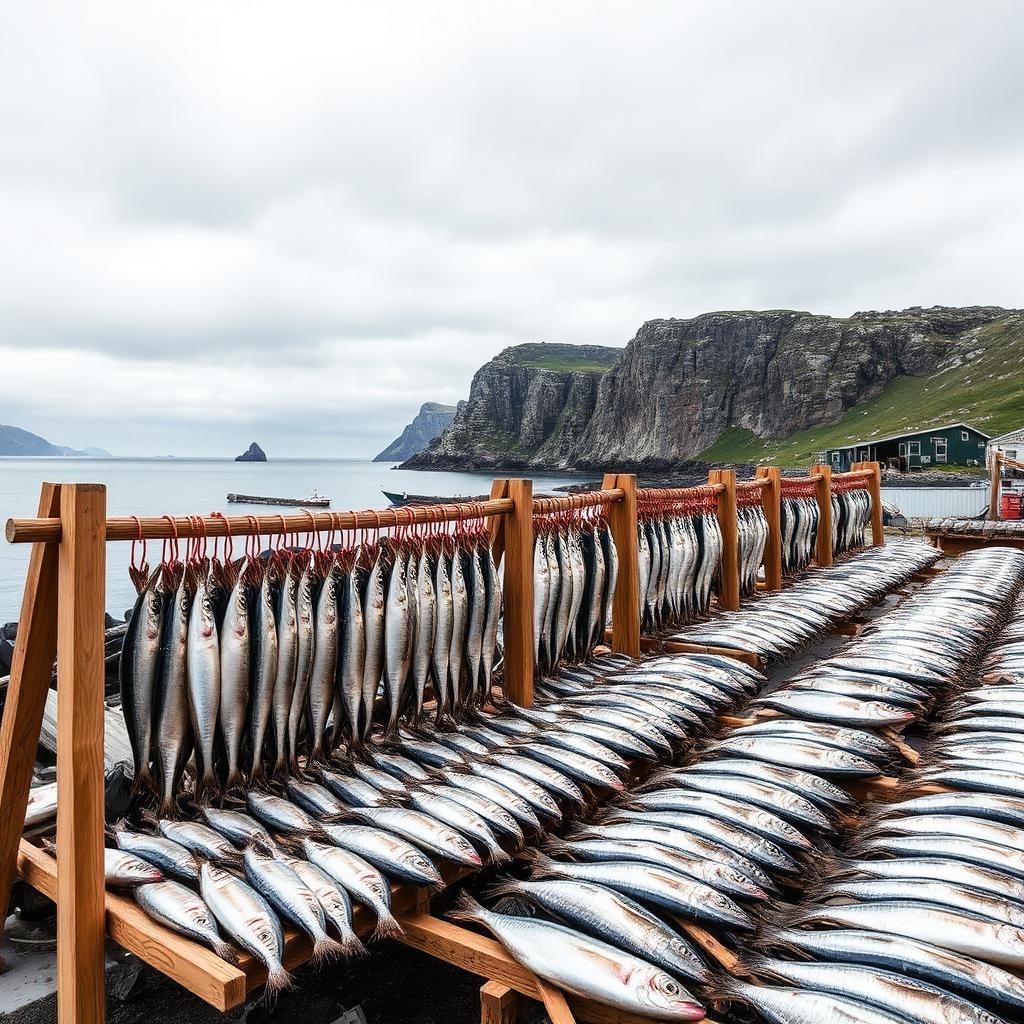
The best of the old ones cluster in Å, at the road's western terminus, and in Nusfjord, a UNESCO-protected fishing village on the south coast of Flakstadøya. Both are worth a night. In Å, the small stockfish museum in a former salting house explains the whole nineteenth-century cycle: catch, gut, hang on wooden racks called hjeller, dry for three months in the salt-heavy air, sell to Portugal and Italy. Some of the racks still stand outside the museum, and in April they are full again.
For a base further east, Henningsvær is the classic choice. The village sits on two small islands connected to the mainland by a bridge, and its harbor is small enough that from the pier you can see every house. The Trevarefabrikken, a former joinery converted to a cafe and cultural centre, is the best place to eat a slow lunch and read the Norwegian papers.
Weather, light, walks
Weather is the whole story here. In late April there is real light again, the sun sets around ten, and the peaks are still dusted with snow. In early October the aurora forecast starts to matter, and on a clear night you may see the lights above the Reinefjord from your cabin doorstep. Neither season is warm, and both include days when the wind and rain make outdoor plans impossible. Bring more layers than you think you need.
For walking, the trail up to Reinebringen has been rebuilt with 1,978 stone steps by Nepalese sherpas, and the summit view over Reine is now genuinely accessible, with a hard forty-five minute climb rather than the older mud scramble. In the shoulder seasons the trail is often empty. Do it in the morning, and pair it in the afternoon with a slow drive out to Fredvang and the empty beaches of Kvalvika, which you reach via a small pass on foot.
For a slower day, the drive from Ballstad to Uttakleiv passes some of the best light in the archipelago, and the beaches at Uttakleiv and Haukland are wide, empty and, in the right conditions, one of the reasons landscape photographers keep returning to Lofoten.
Practical notes
- The Moskenes ferry does not always run in bad weather. Build a spare day into any Bodø-Lofoten crossing.
- Book rorbuer directly with the operator. Aggregators often show only a fraction of the available cabins.
- Cook one dinner in. The rorbuer have good kitchens and the local cod is cheaper than anywhere else in Norway.
- In April, bring proper crampons or micro-spikes if you plan to hike above five hundred meters.
Lofoten in the shoulder seasons is what the postcards accidentally sold you. You get the light, the mountains, the cabins and the water, and you get them mostly to yourself. Book the ferry, rent a car, and drive slowly.