The Madonie Mountains, Behind Sicily's Coast
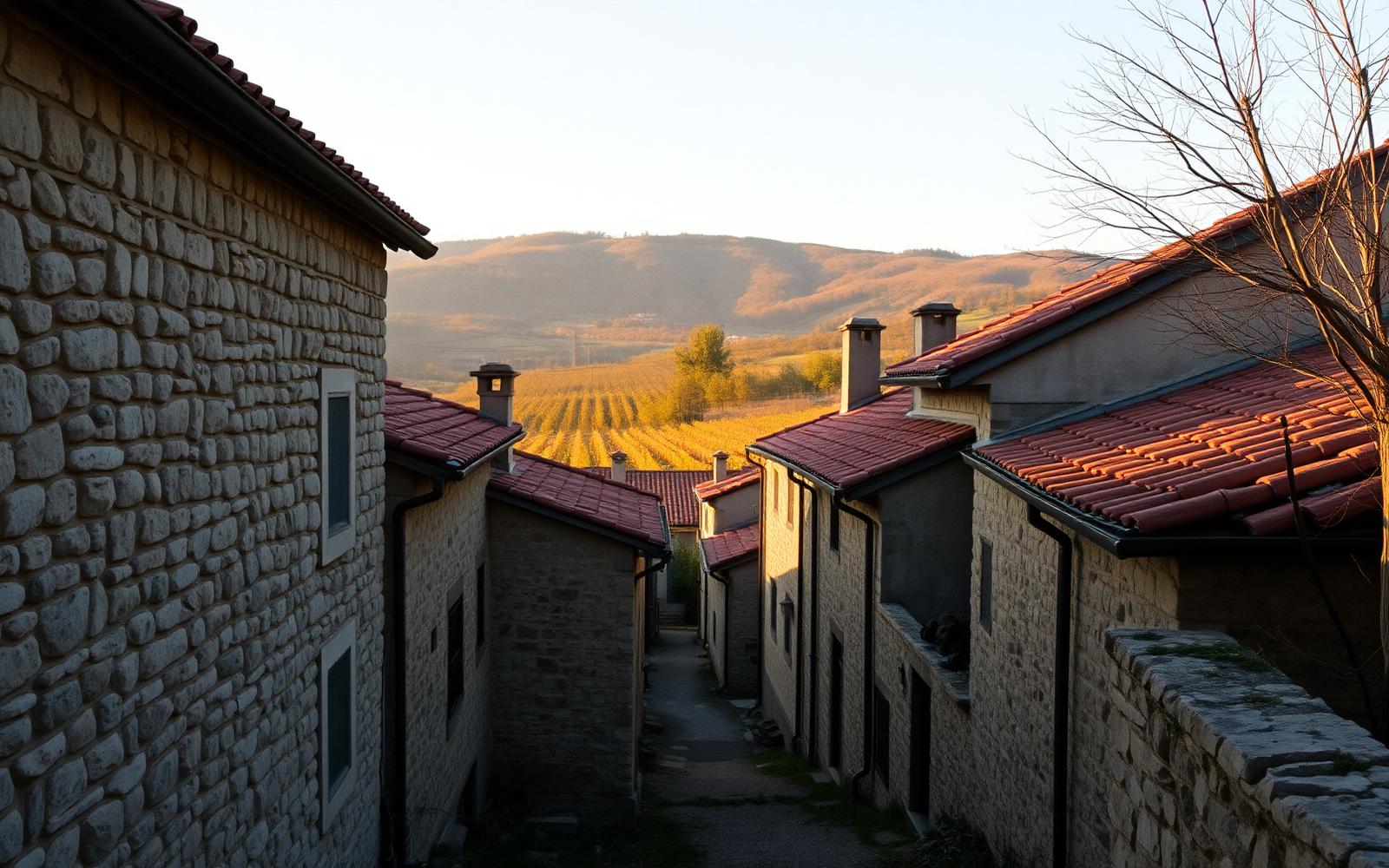
Small stone hill towns above Cefalù, in the range that most visitors drive past.
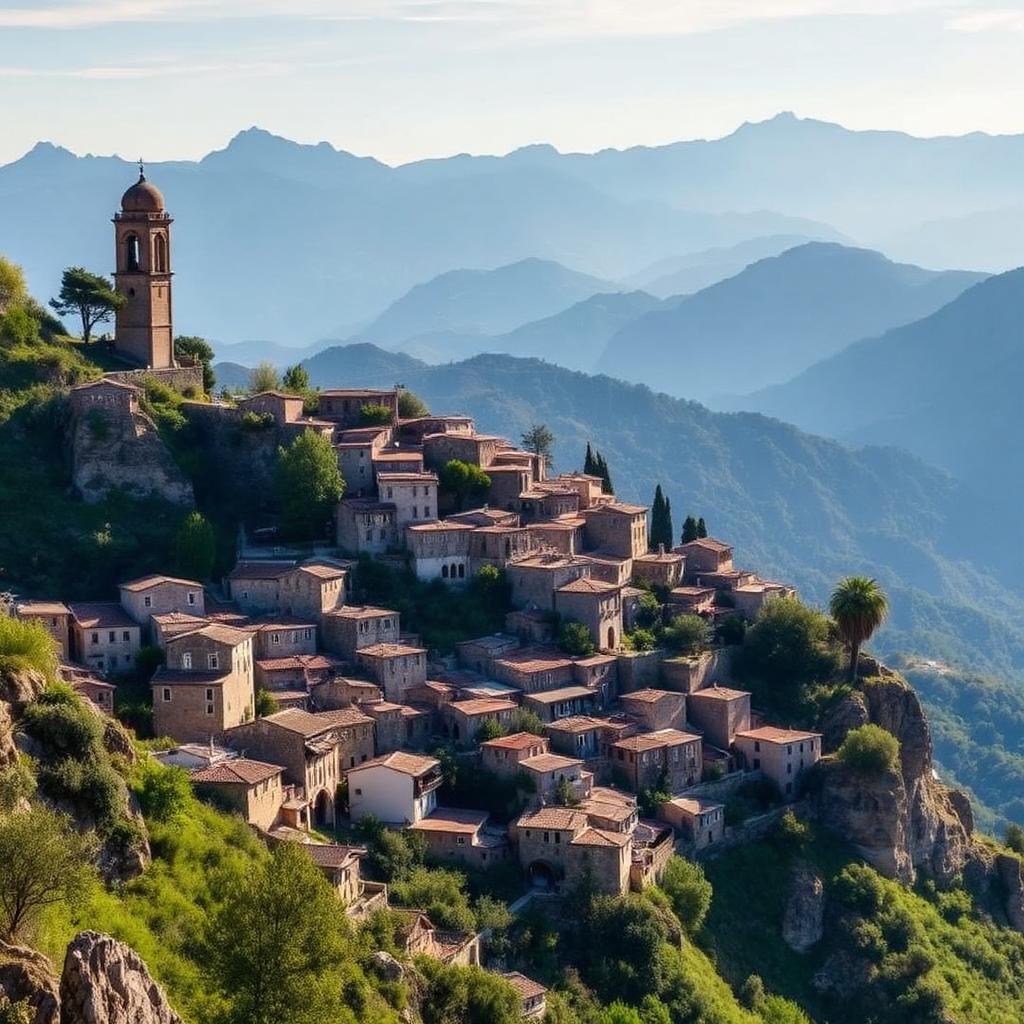
Almost every visitor to northern Sicily goes to Cefalù, on the coast, and then continues either west to Palermo or east to Taormina. Very few take the short drive south, up into the Madonie mountains, where a set of small stone towns sit on ridges above wooded valleys, most of them under two thousand residents, none of them on a tour bus route. The Madonie is a regional nature park, the second largest protected area in Sicily, and driving between its towns is one of the best short road trips in southern Europe.
Castelbuono, and the Ventimiglia castle
Castelbuono, at four hundred and twenty-three meters above sea level, is the natural first stop. The town takes its name from the fourteenth-century Ventimiglia castle at its centre, built by the Sicilian branch of the Ligurian noble family. The castle is open as a small museum and includes the Cappella Palatina, a baroque chapel entirely lined in stucco reliefs by the Serpotta workshop, one of the great Sicilian baroque interiors and almost unknown outside the region.
The town has one long main street, several small restaurants, and a mushroom festival in October during which the local porcini, chanterelles and, when they appear, the rare Sicilian ovulo (Amanita caesarea) are cooked in every kitchen in the town. Stay at one of the small B&Bs in restored townhouses; the food is central to the trip.
For lunch or dinner, Nangalarruni is the classic order. The restaurant, in a small stone-vaulted room, specialises in mushroom dishes and includes a set menu that is almost always the right choice.
Petralia Soprana, the highest ridge
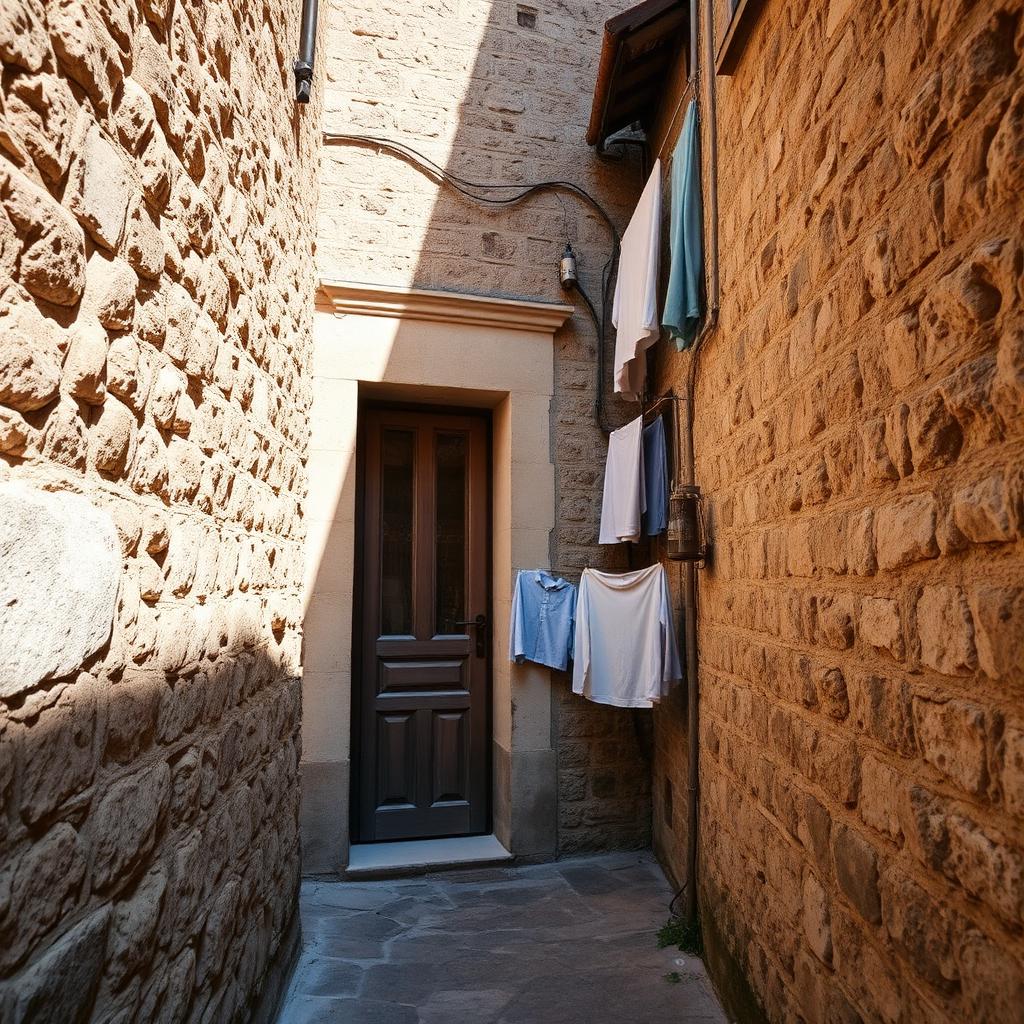
Higher up the range, Petralia Soprana sits at eleven hundred and forty-seven meters, one of the highest inhabited villages in Sicily. It has the classic hill-town layout: a single stone gate, a network of narrow paved lanes, three churches, and a belvedere on the south side from which you can see, on a clear day, all the way to Mount Etna.
Petralia's centro storico is entirely pedestrian and small enough to walk in half an hour. It is worth walking twice, once in the middle of the day when the light is strongest and once at dusk when the streetlamps come on. The main square, Piazza del Popolo, has one cafe with tables outside and a view that easily justifies a second coffee.
In September, the town hosts the Sagra della Ricotta, a small festival celebrating the local sheep-milk ricotta made in the surrounding pastures. The ricotta here is unusually creamy, sweet and, unlike its industrial cousin, worth eating with only a drizzle of local honey.
Piano Battaglia, and walking the range
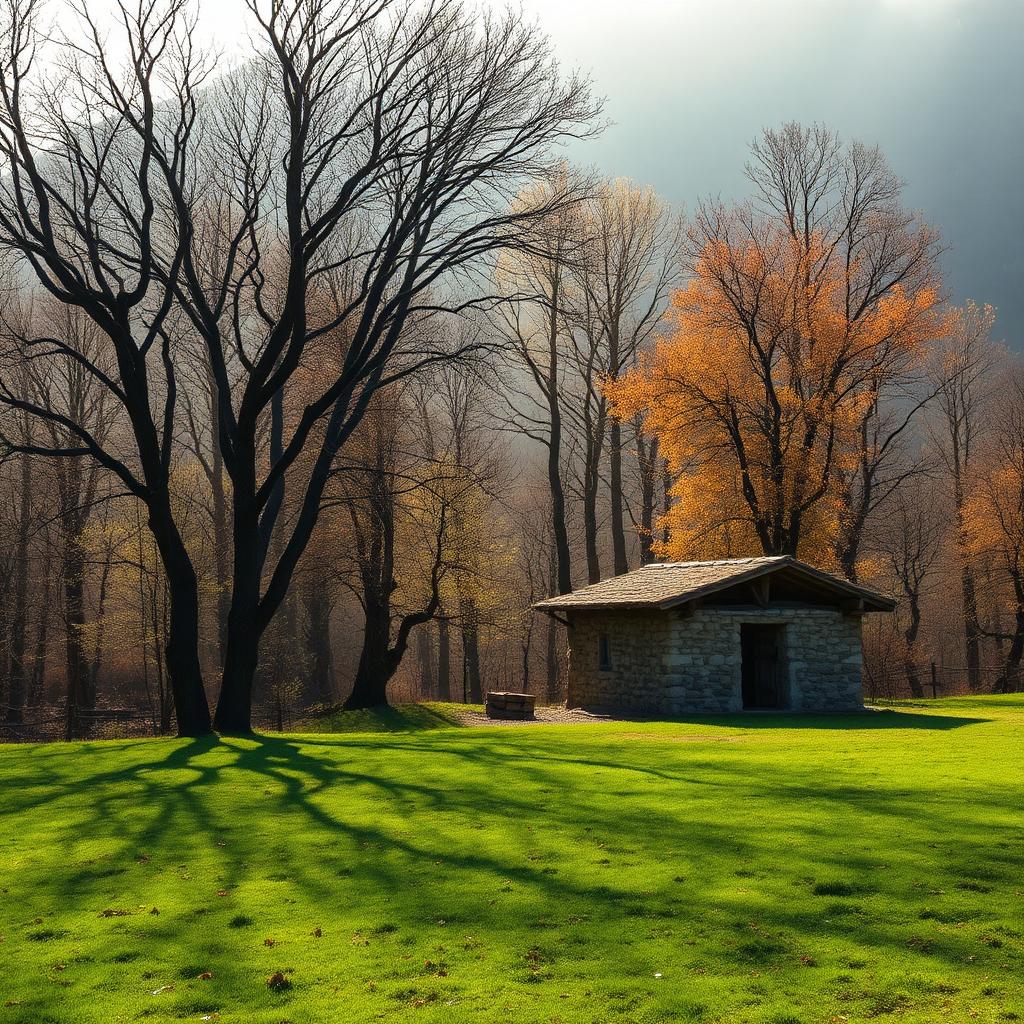
For a day of walking, drive up to Piano Battaglia, the small ski resort at the highest point of the road at seventeen hundred meters. From the parking area, several marked trails climb through beech forest to viewpoints across the range. The path to the Pizzo Carbonara, at 1,979 meters the highest peak in the Madonie, takes about three hours out and back on a well-marked trail. Snow can linger until May.
The forest here is remarkable: it includes the last natural stand of the Nebrodi fir (Abies nebrodensis), a critically endangered species with fewer than thirty mature specimens in the wild, all within the park. A short signposted trail from the Piano Zucchi visitor centre leads to one of the surviving trees, protected by a low fence, which is at least two hundred years old and produces cones every few years.
Practical notes
- Rent a small car. The roads are narrow and full of switchbacks.
- May, June, September and October are the best months. Summer is hot even at altitude; winter can bring snow closures.
- The mushroom festival in Castelbuono is the second-to-last weekend in October. Book rooms months in advance.
- Local buses do connect the towns but they are infrequent. A car is much easier.
The Madonie is the version of interior Sicily that never gets photographed. Take three days, drive the ridge road, and eat everything the mushrooms allow.