Detroit's Packard Plant, on the Slow Way Down
A three-and-a-half million square foot ruin, and the neighborhood that has learned to live around it.
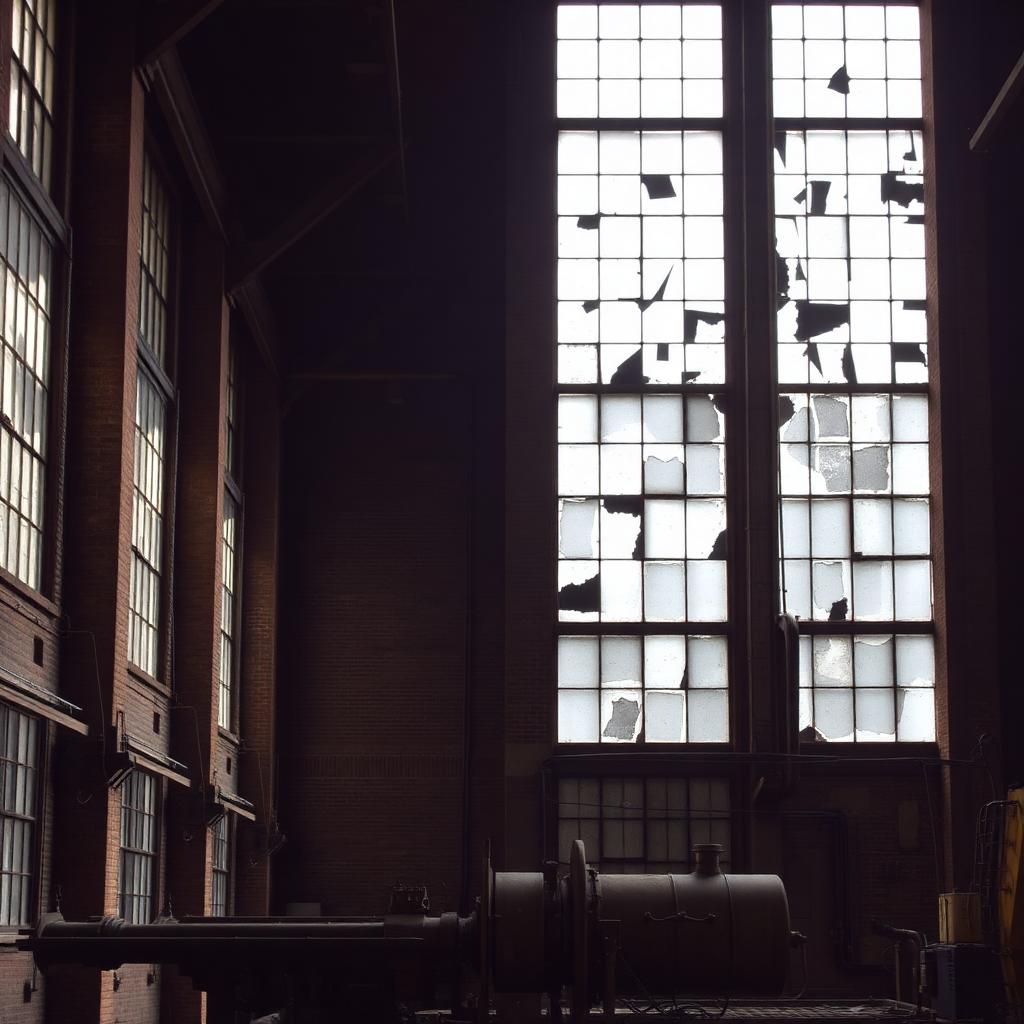
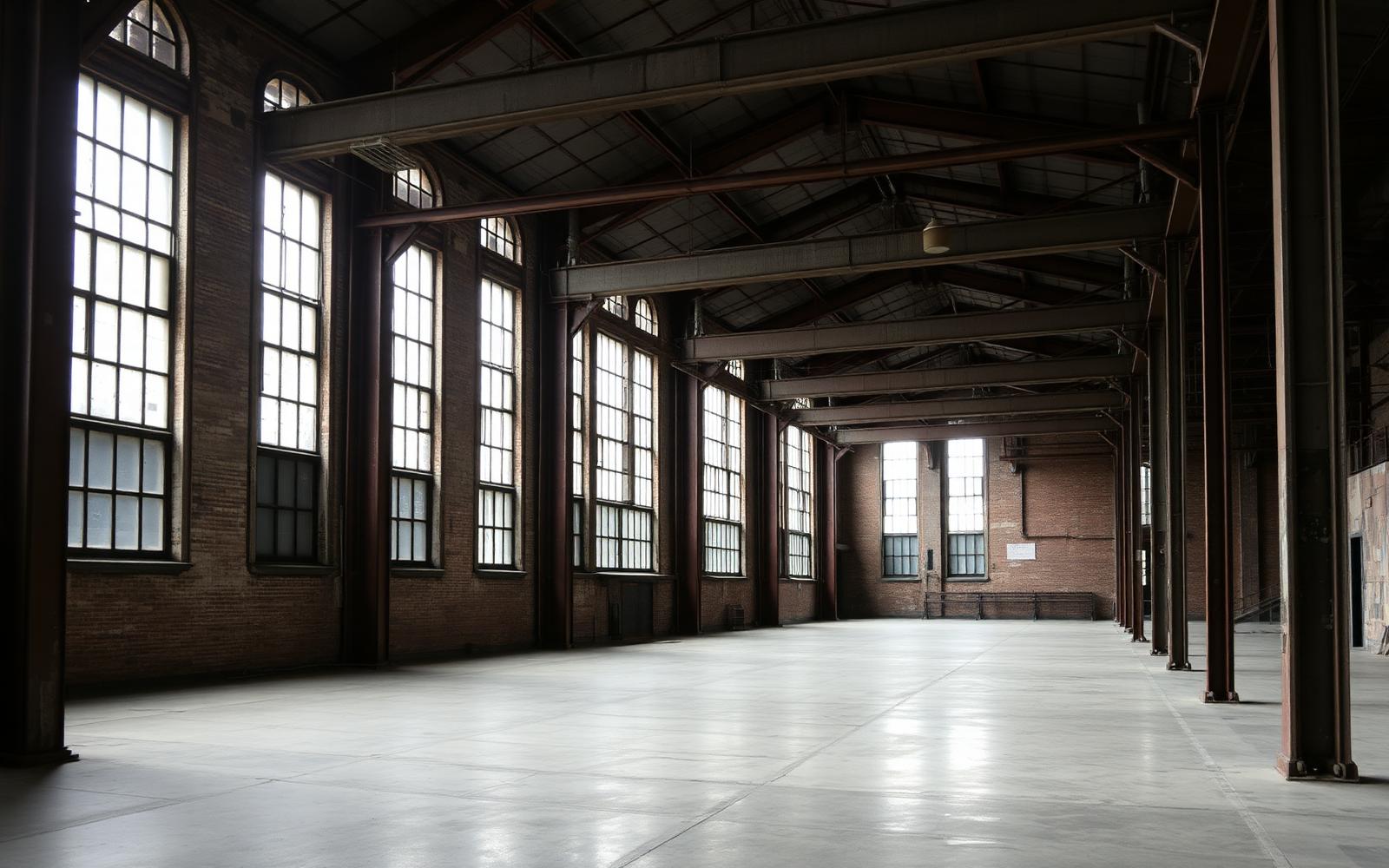
The Packard Motor Car Company opened its Detroit plant in 1903, and at its 1940s peak it was one of the largest industrial complexes in the world. The company left in 1958. Parts of the plant kept running under other owners until 2010. Since then, the forty-three-acre site on East Grand Boulevard has become the most photographed ruin in North America, and one of the most instructive places to think about what happens after a factory is done. It is also, importantly, not a tourist attraction. It is unsafe, it is being slowly demolished, and it sits in the middle of a neighborhood that still exists.
Getting an honest look
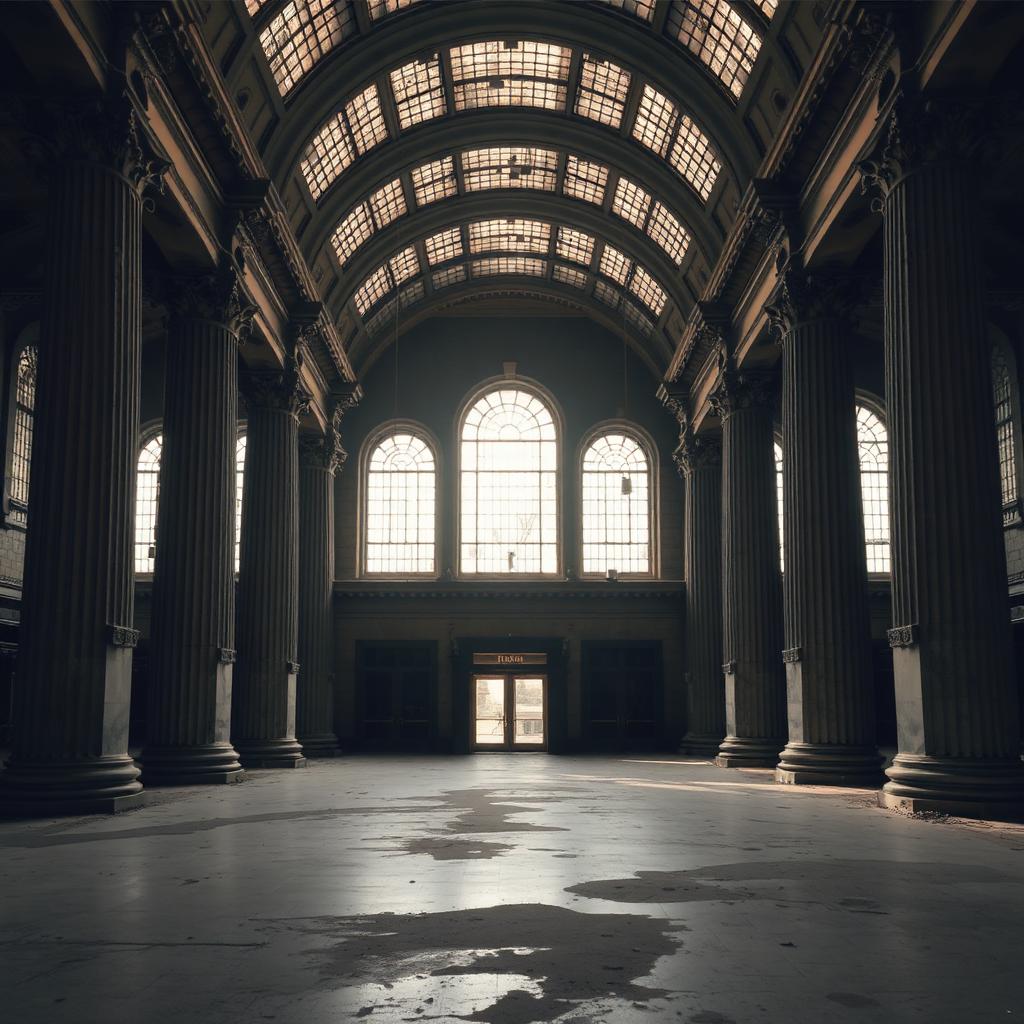
The interior of the Packard is not accessible. Fences and no-trespassing signs are enforced, sections of floor have collapsed, and the demolition contract for the largest buildings started in 2022. What is worth seeing is the exterior: the long brick facade along East Grand Boulevard, the pedestrian bridge that once carried workers over the road, and the corner of Concord Street where the plant's most famous piece of graffiti, a full-height Diego Rivera-style workers' mural, was painted in 2016 and covered again in 2020.
The best way to see the site is on a guided walk with the Preservation Detroit organisation, which runs occasional two-hour tours along the outside of the complex and along the neighborhood streets around it. The guides are volunteers with either a preservation or an urban planning background, and the tours are the fastest way to understand what you are actually looking at.
Do not go in. The site is not photogenic enough to justify the injuries or arrests that visitors have collected over the last decade. Everything worth seeing can be seen from the sidewalk.
The neighborhood around it
The Packard sits at the edge of the North End and Poletown East neighborhoods. Both were densely populated when the plant was running, and both lost most of their residents in the second half of the twentieth century. What is still there, however, is worth walking. Poletown's Sweetest Heart of Mary church, on the corner of Russell and East Canfield, is one of the great late-nineteenth-century Polish cathedrals in America and still has an active congregation. Its stained glass, sourced from Bavaria in 1893, has never been replaced.
A few blocks north, on Chene Street, the small Poletown Community Garden occupies a former lot cleared in the 1980s. In summer it produces a full CSA share for local families. The volunteers are usually welcoming; ask before photographing.
For lunch, drive ten minutes east to the Eastern Market district and eat at Bert's Warehouse Theatre or Supino Pizzeria. Both are Detroit-owned, both have been at the same address for at least fifteen years, and both are the kind of places that give the neighborhood a reason to stay.
The larger context, and what is being kept
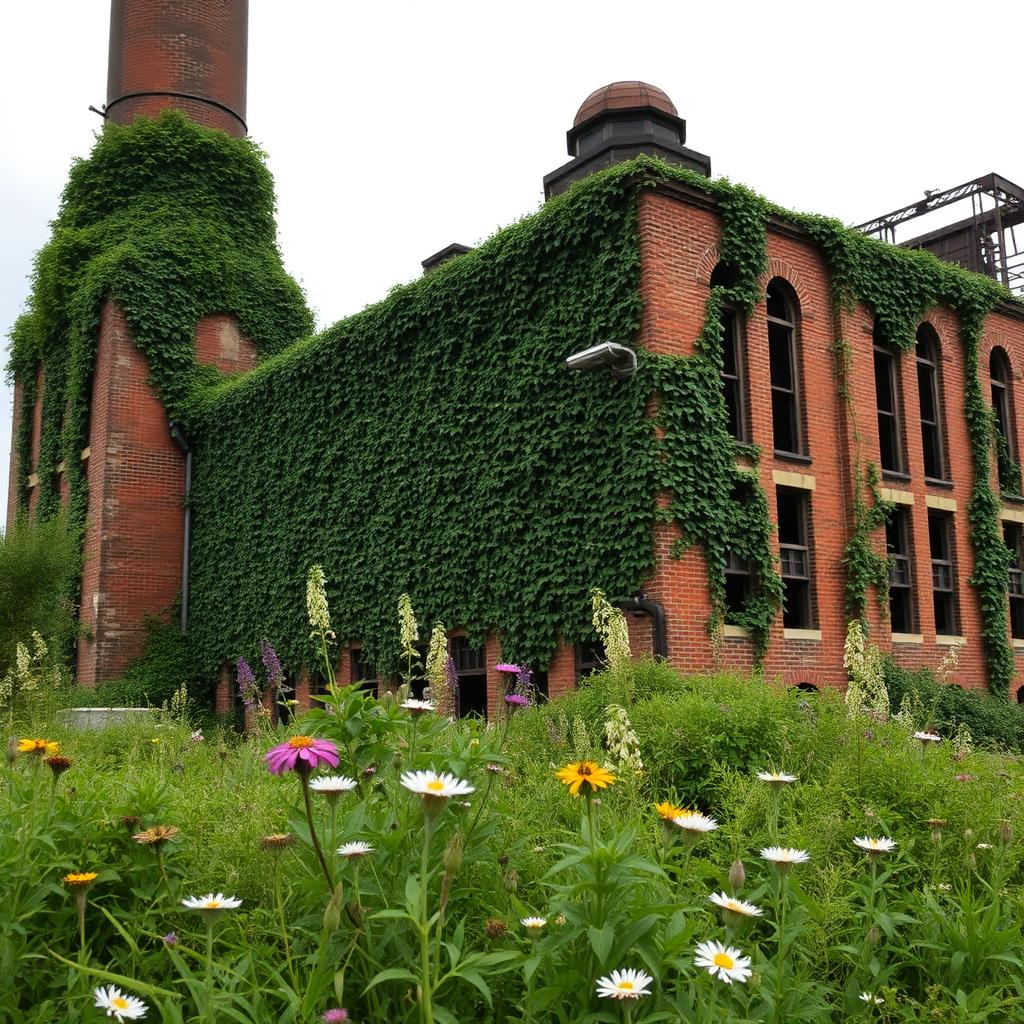
The Packard is being demolished in phases. Some of the outbuildings, particularly the smaller administrative structures on Concord Street, are on preservation lists and will remain. The main manufacturing halls are coming down over a five-year period, and the site is expected to be redeveloped as light industrial land. What that means is that the ruin as photographers know it will be gone by the end of the decade.
If you want to see it, come in the next two or three years. Come on a weekday morning, walk the perimeter with a map, and read Dan Austin's book Lost Detroit before you arrive. The book explains the layout of the site in a way that will make what you are seeing legible rather than just picturesque.
Practical notes
- Never enter the fenced sections. The site is being actively demolished and the interior is genuinely dangerous.
- Do not photograph residents or their homes. Ask permission for anything with a face in it.
- The best exterior views are along East Grand Boulevard between Mount Elliott and Concord.
- Book Preservation Detroit tours in advance. They fill for the whole season by early spring.
The Packard is on its way to being gone. Seeing it now, from the sidewalk, is a way to think about American manufacturing in a form that will not be available much longer.