The Slate Quarries of North Wales
UNESCO-listed cathedral-scale quarries above the villages that used to work them.
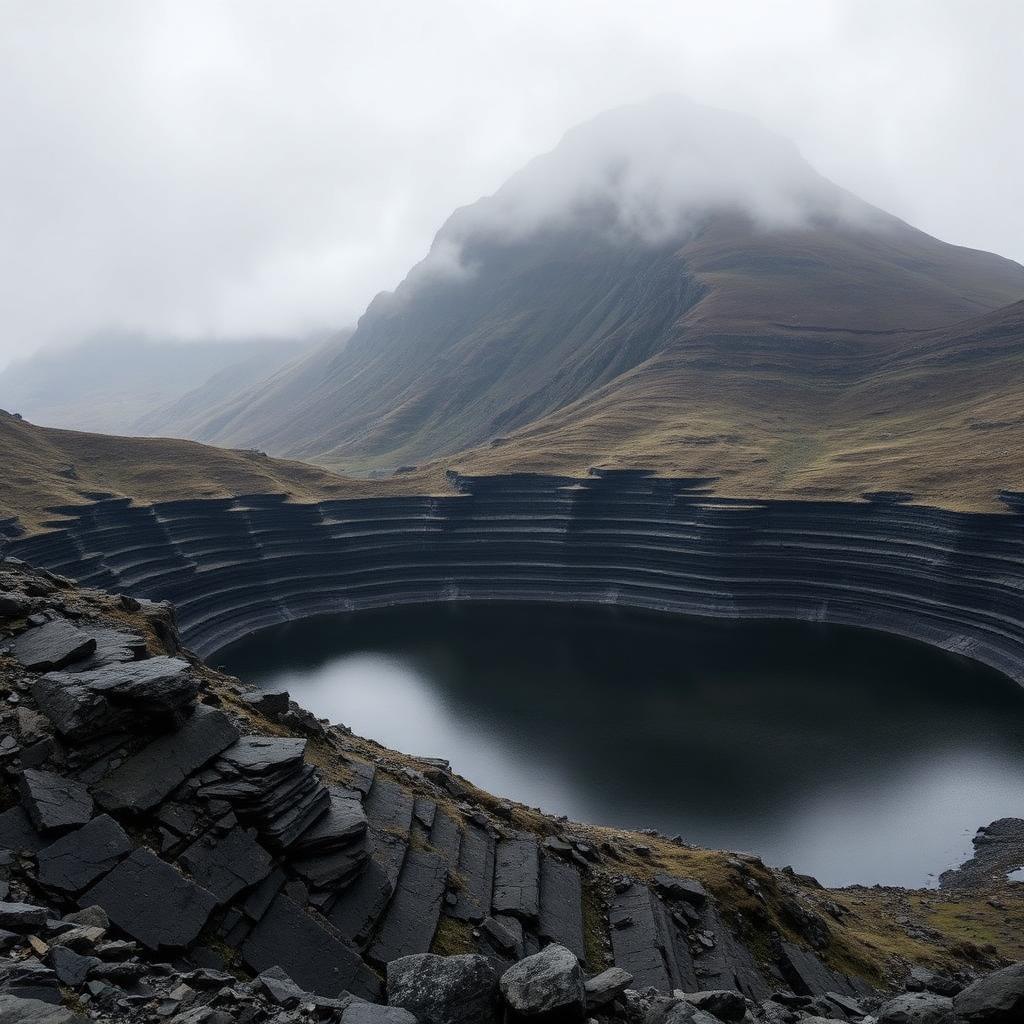
In 2021, the slate landscape of northwest Wales was inscribed on the UNESCO World Heritage List. It is not a single site but a set of six former quarries, plus their tramways, mills, harbors and workers' villages, that between them produced most of the roofing slate used in the industrialised world in the nineteenth century. Some of the quarries are still working; most are not. All of them are dramatic on a scale that is hard to prepare for, and the small towns beneath them, especially Blaenau Ffestiniog and Bethesda, are among the most atmospheric small towns in Britain.
Penrhyn, the mountain that was cut down
The Penrhyn Quarry, above Bethesda, was for a period in the late nineteenth century the largest slate quarry in the world. The quarry's terraced pits, cut in level galleries down the flank of Fronllwyd mountain, are still visible from the town below and from the main road. The site is still worked in a much smaller way, and part of it is now the Zip World Velocity 2, the fastest zip line in the world. The zip is optional; the walk up to the viewpoint at the top of the old inclines is not, if you have any interest in industrial landscape.
In Bethesda itself, the small Chapel Museum on High Street includes a room devoted to the 1900-1903 Penrhyn lockout, one of the longest industrial disputes in British history, in which quarrymen and their families held out against Lord Penrhyn's cuts for three winters. The room is quiet, small and worth the twenty minutes it takes to walk through.
Blaenau Ffestiniog and the underground quarry
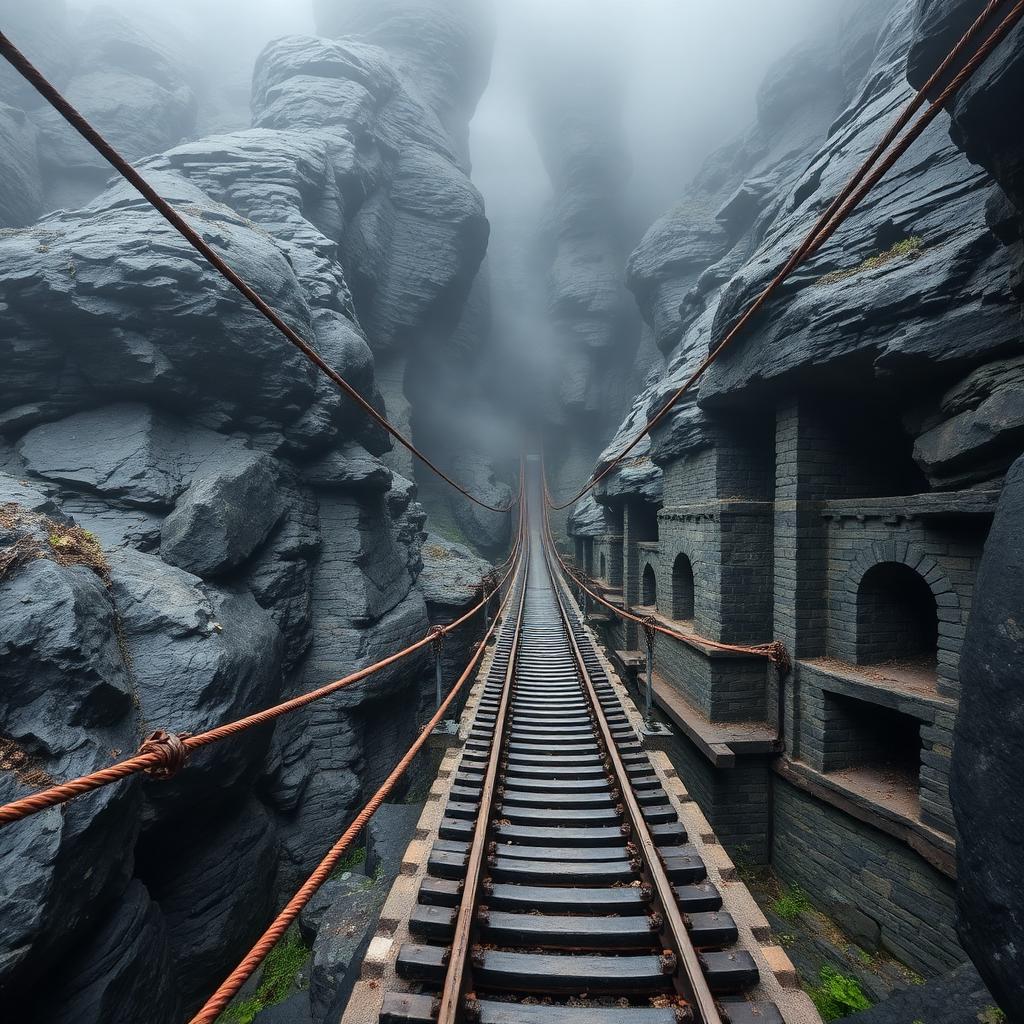
Blaenau Ffestiniog is the largest slate town in Wales, sitting in a natural bowl surrounded on three sides by quarry tips. The town's slate-grey roofs, in the same slate cut from the mountains directly above, produce a monochrome that on a wet grey afternoon can feel almost unreal.
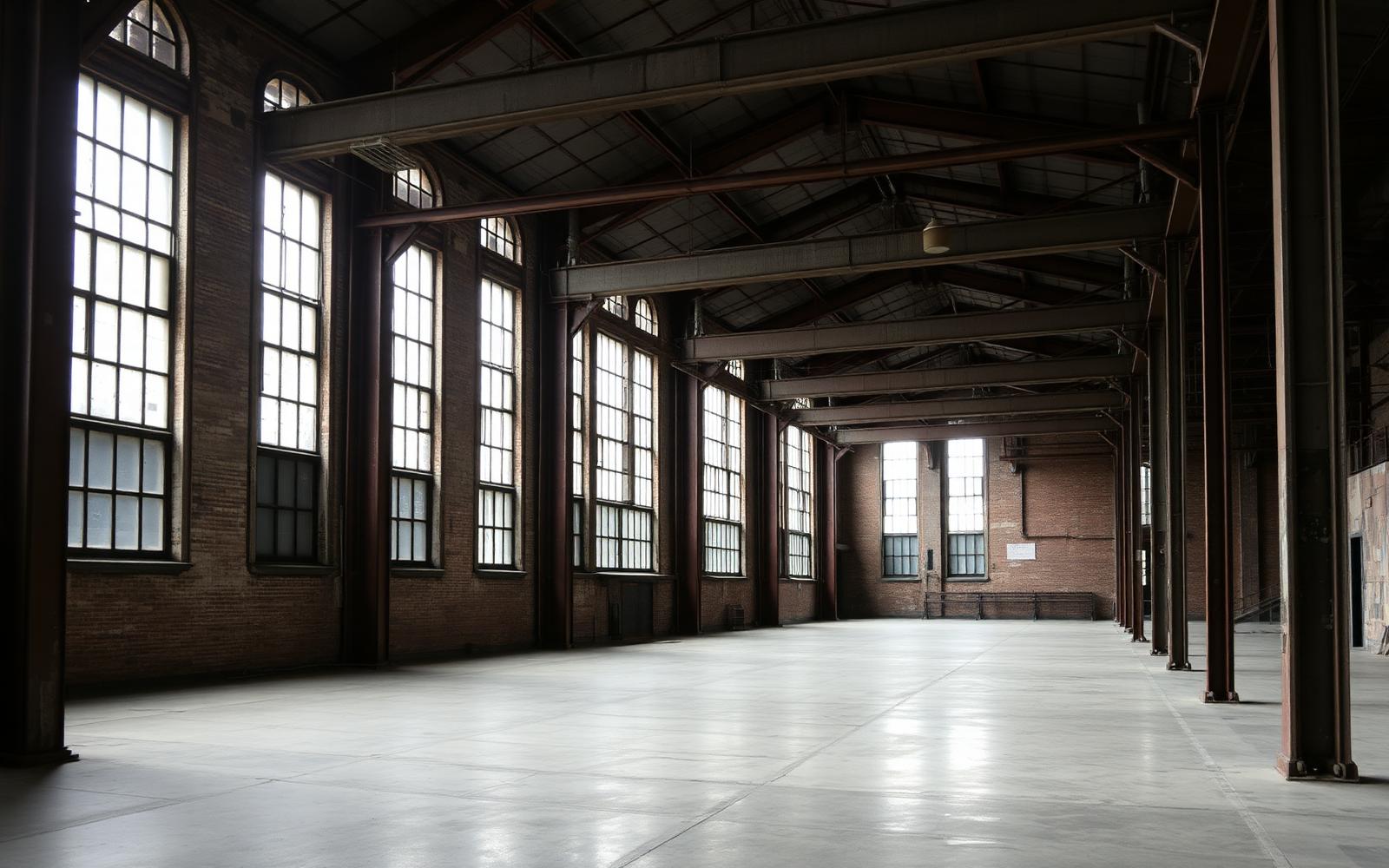
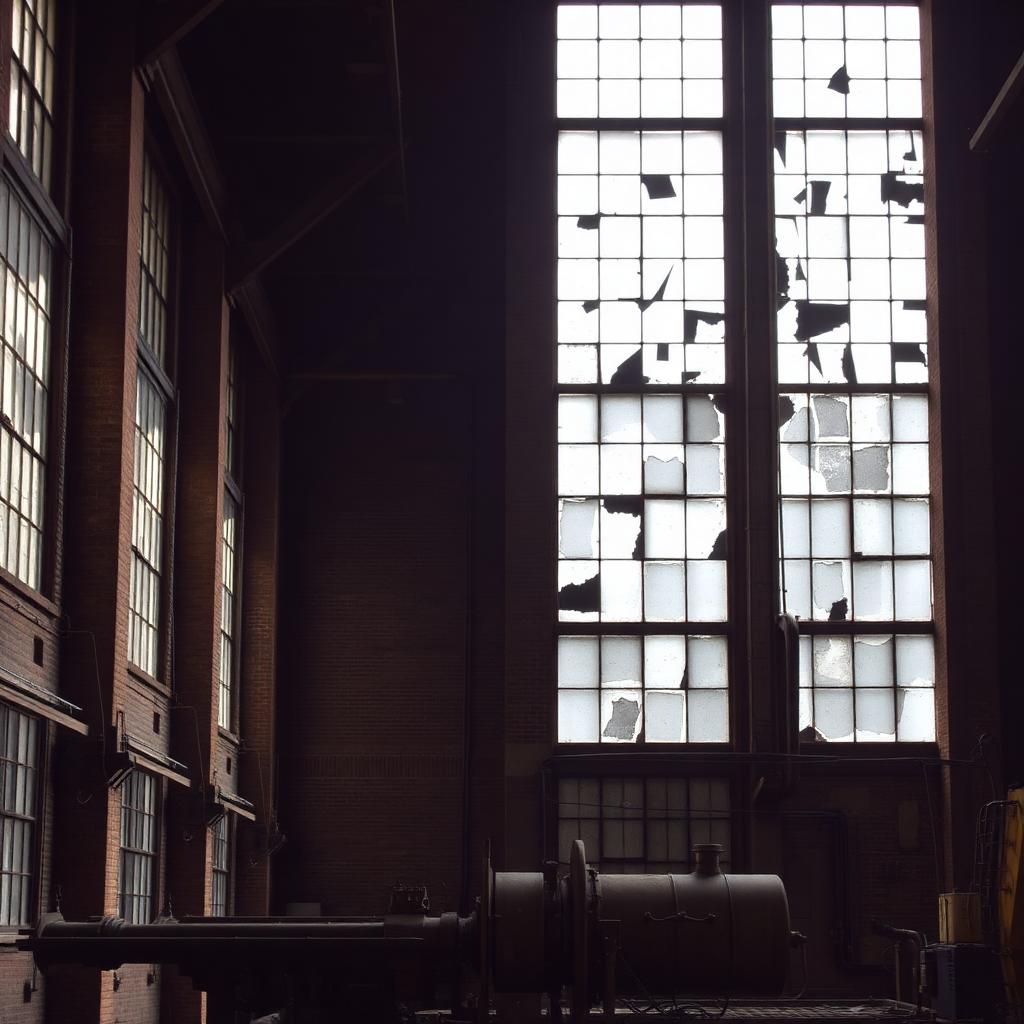
The Llechwedd Slate Caverns, on the edge of the town, run underground tours through the old quarry workings. The tour includes a slow train ride down an original 1846 miners' incline into a chain of cathedral-scale caverns, some of them fifty meters high, still lit as they were when the quarrymen worked them. The tour takes about ninety minutes and is genuinely absorbing.
For lunch, walk into the town centre and eat at Cwmni Cacen Gri, a small cafe that specialises in Welsh cakes and bara brith baked on a bakestone in the front window. The town gets few tourists; the cafe fills mostly with quarry pensioners and their grandchildren.
The Ffestiniog Railway, downhill to Porthmadog
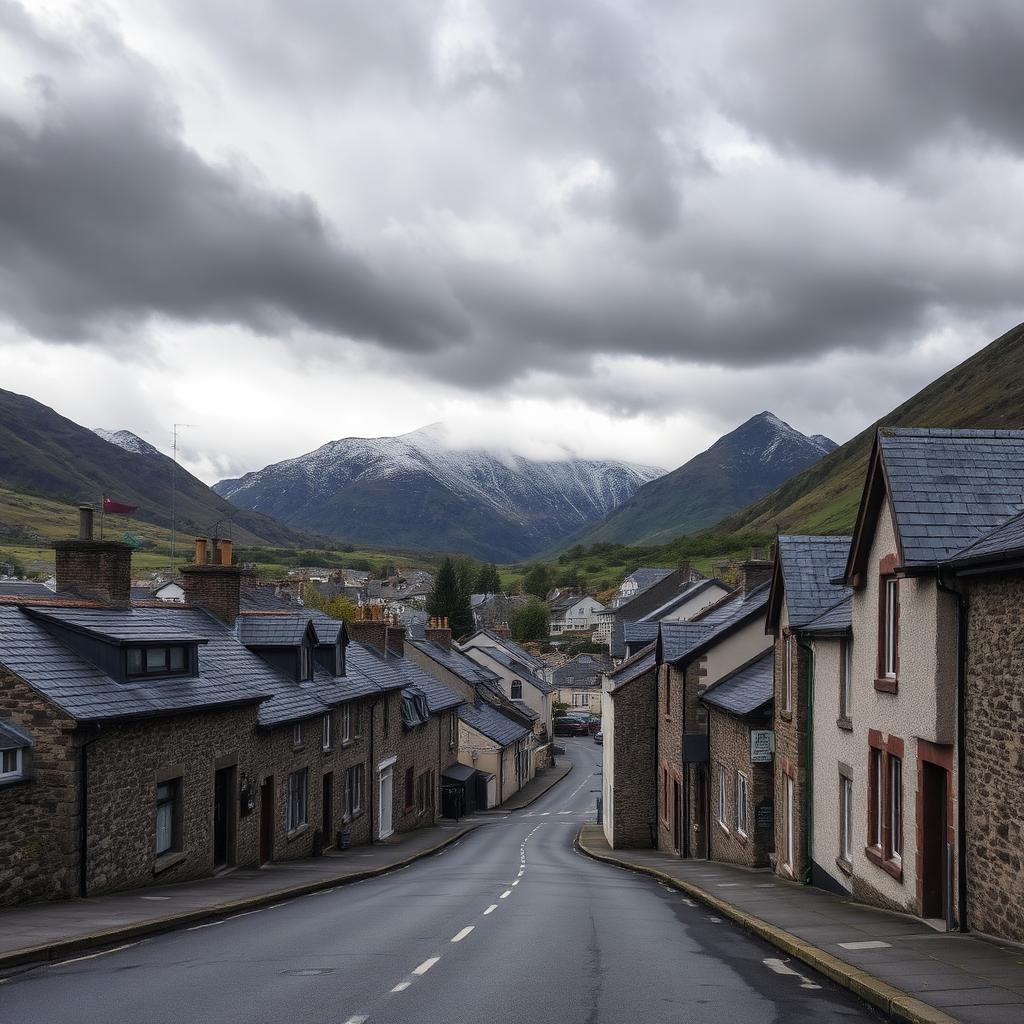
The best way to leave the slate country is on the Ffestiniog Railway, a narrow-gauge line that runs from Blaenau Ffestiniog down through the mountains to Porthmadog on the coast. The line was originally built in 1836 to carry slate from the quarries to the harbor; it now runs preserved steam locomotives and a mix of restored slate wagons and passenger carriages.
The one-hour trip descends nearly two hundred meters through spectacular scenery, past the Vale of Ffestiniog and Tan-y-Bwlch station, where you can get off for a walk around the small lake before catching the next train down. In Porthmadog, the line ends at the harbour, from which most of the slate was once shipped to Germany and Argentina.
Practical notes
- The slate mountains make their own weather. Expect rain even in July.
- Book Llechwedd Caverns online for the underground train tour; it sells out on weekends.
- Ffestiniog Railway trains run daily in summer, fewer in winter. Check the timetable.
- Bethesda has one small guesthouse. Book ahead or stay in Bangor or Caernarfon.
The Welsh slate landscape is one of the most dramatic pieces of industrial heritage in Europe. Give it two days, ride the Ffestiniog, and walk into the caverns.