Steel, Coal and Second Lives in the Ruhr Valley
Walking the industrial heritage route through Essen, Duisburg and Bochum.
The Ruhr does not sell itself. There is no old town chocolate box, no headline monument, no cathedral square posted a hundred times a day on Instagram. What it has instead is roughly a hundred and fifty kilometers of former mines, coke plants, blast furnaces and rail yards that closed between the 1960s and the early 2000s. Most were not demolished. They were repurposed, opened to the public, or simply left standing. Together they form the Route der Industriekultur, and walking or cycling a segment of it is one of the most interesting things you can do in Germany.
Zollverein, Essen
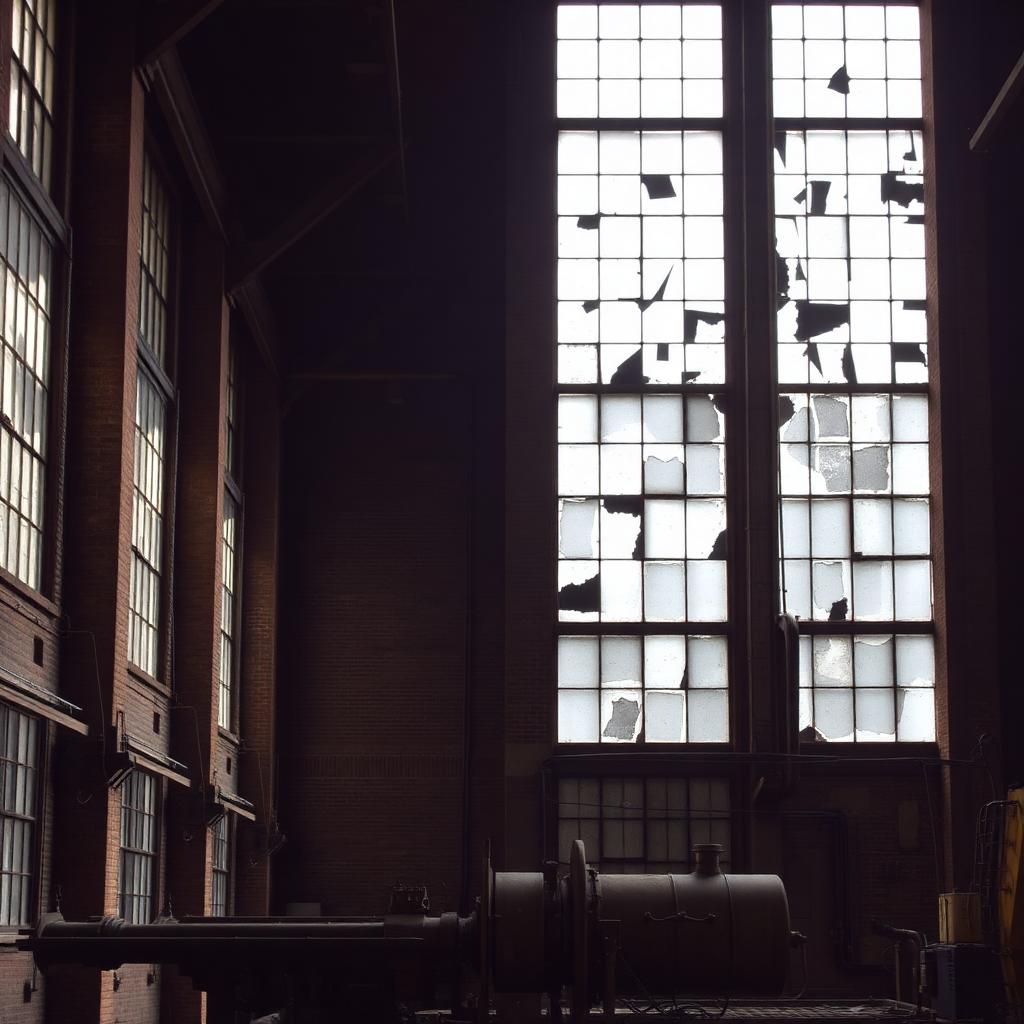
Start with Zollverein. The former Shaft XII, closed in 1986, is now a UNESCO site and the anchor of the whole route. The Bauhaus-influenced pit head, painted a deep oxide red, sits above a landscaped former coking plant that in summer has a shallow reflecting pool where the cooling basin used to be. The Ruhr Museum, tucked into the old coal washery, is one of the best regional museums in Europe and takes you down through the building on the same paths the coal once took.
Give it a full day. The site is large enough that visitors thin out, and the walkable perimeter has quiet corners no group tour reaches. On summer weekends there is a pop-up cafe in the former salt store, and on Sunday mornings the site opens to runners before the ticket counters do.
Landschaftspark, Duisburg-Nord
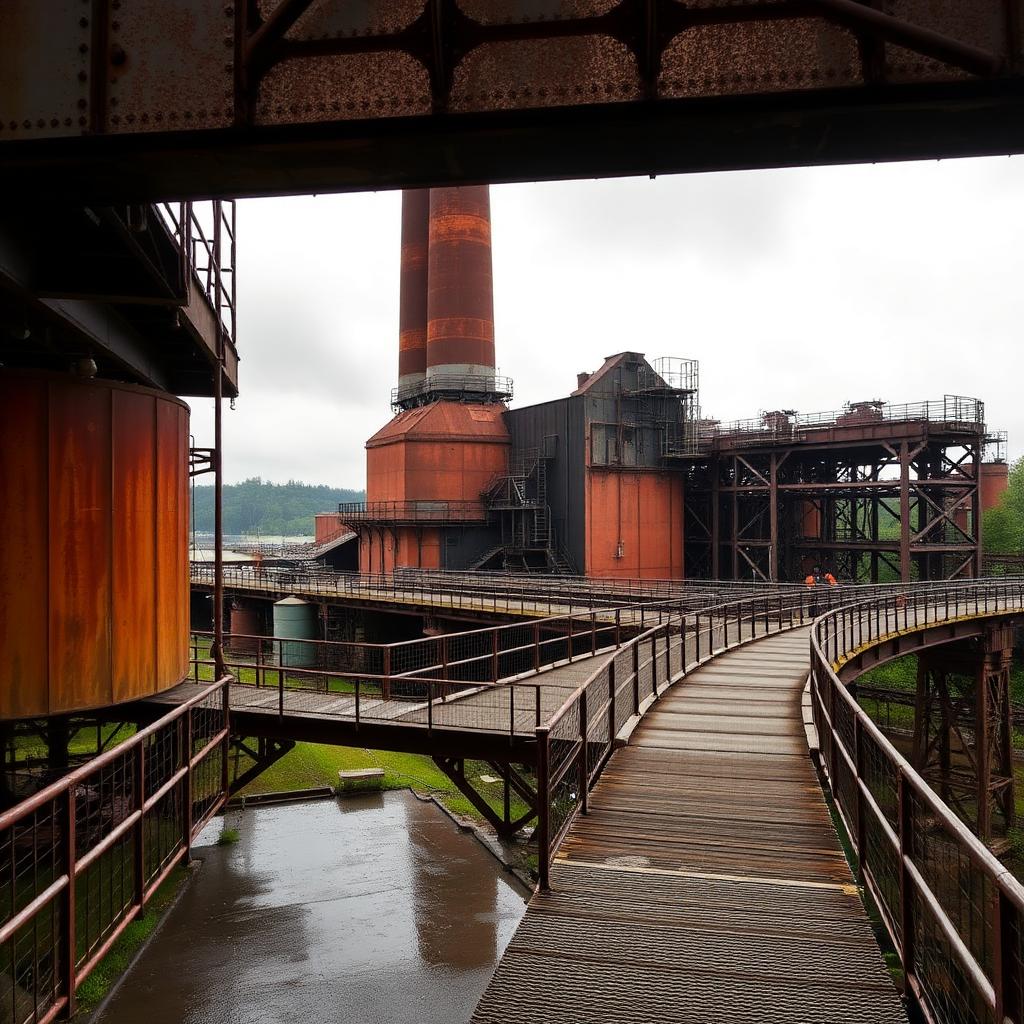
Landschaftspark is stranger and, for many people, better. A former Thyssen blast-furnace complex was converted into a public park in 1994 by the landscape architect Peter Latz. The furnaces are still there, the gas holder is a diving pool, the old ore bunkers are a climbing garden, and the whole plant is free to enter, day and night.
The best time is just before dusk. Blue-hour light on rust is the reason a lot of photographers come here in the first place, and after dark the pipework is lit in low blues and reds by an installation the artist Jonathan Park designed to look like the ghost of the plant's original heat. Climb the top gantry of Furnace 5 if you are not afraid of the metal grating underfoot. The view spans the whole industrial corridor west toward the Rhine.
The connecting rail trails
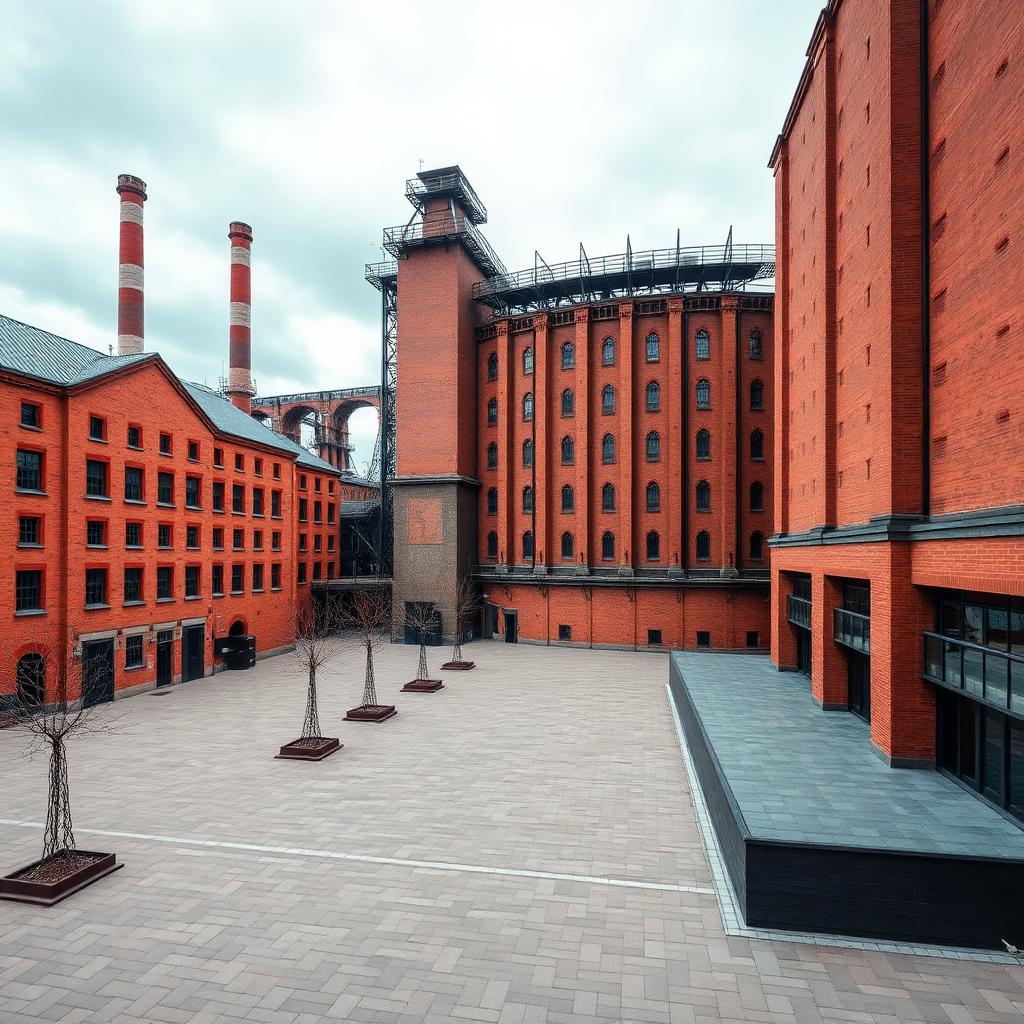
Between the major stops, the RadRevier.Ruhr network converts old rail rights-of-way into paved cycling routes. The Erzbahntrasse from Bochum to Gelsenkirchen is a clean twelve kilometers with almost no road crossings, crossing several 1920s truss bridges high above former ore-loading yards. Rental e-bikes at Bochum Hbf will let you cover it in an hour, or three if you stop.
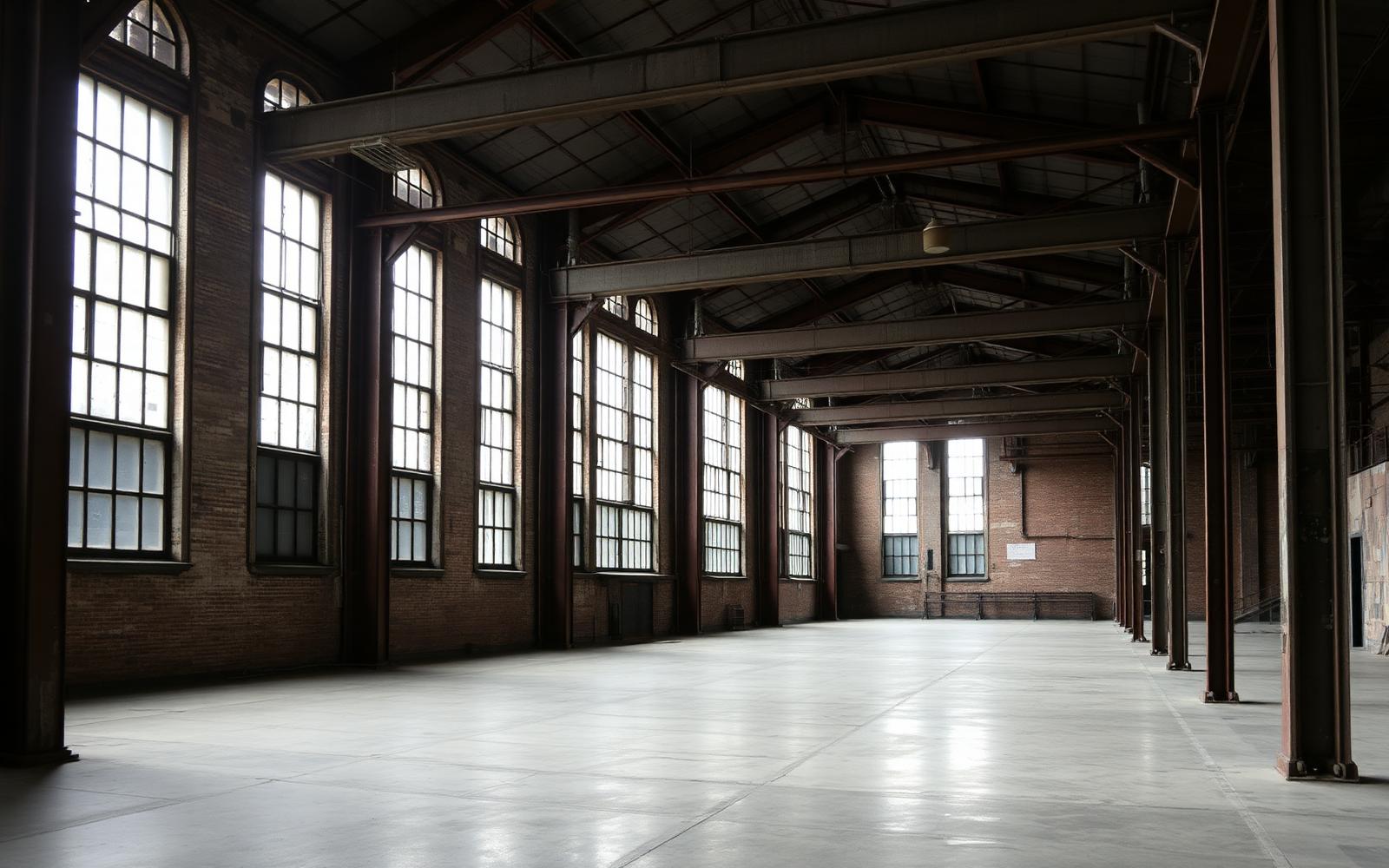
One favourite side trip: the Jahrhunderthalle in Bochum, a hundred-meter iron and glass hall built in 1902 as a gas power station. It now hosts theatre and the Ruhrtriennale festival every autumn. Even when closed, the exterior walk around the building is worth the detour.
Practical notes
- The regional Ruhr.TopCard covers most industrial sites and a lot of local transit.
- Sturdy shoes, always. Cobbles, ballast, metal grating and, in a few places, coal dust.
- October gives you the best light and the shortest queues; the sites stay open in winter.
- The Ruhrtriennale runs from mid-August to early October and uses the industrial halls as stages.
The Ruhr rewards travellers who like their beauty a little rusted and a little rearranged. It is not a pretty region. It is a rearranged one, and that rearrangement, thoughtful and slow, is what makes it worth the time.