Matera After the Day-Trippers Leave
Walking the sassi cave-districts at dusk, after the coaches from Bari have gone.
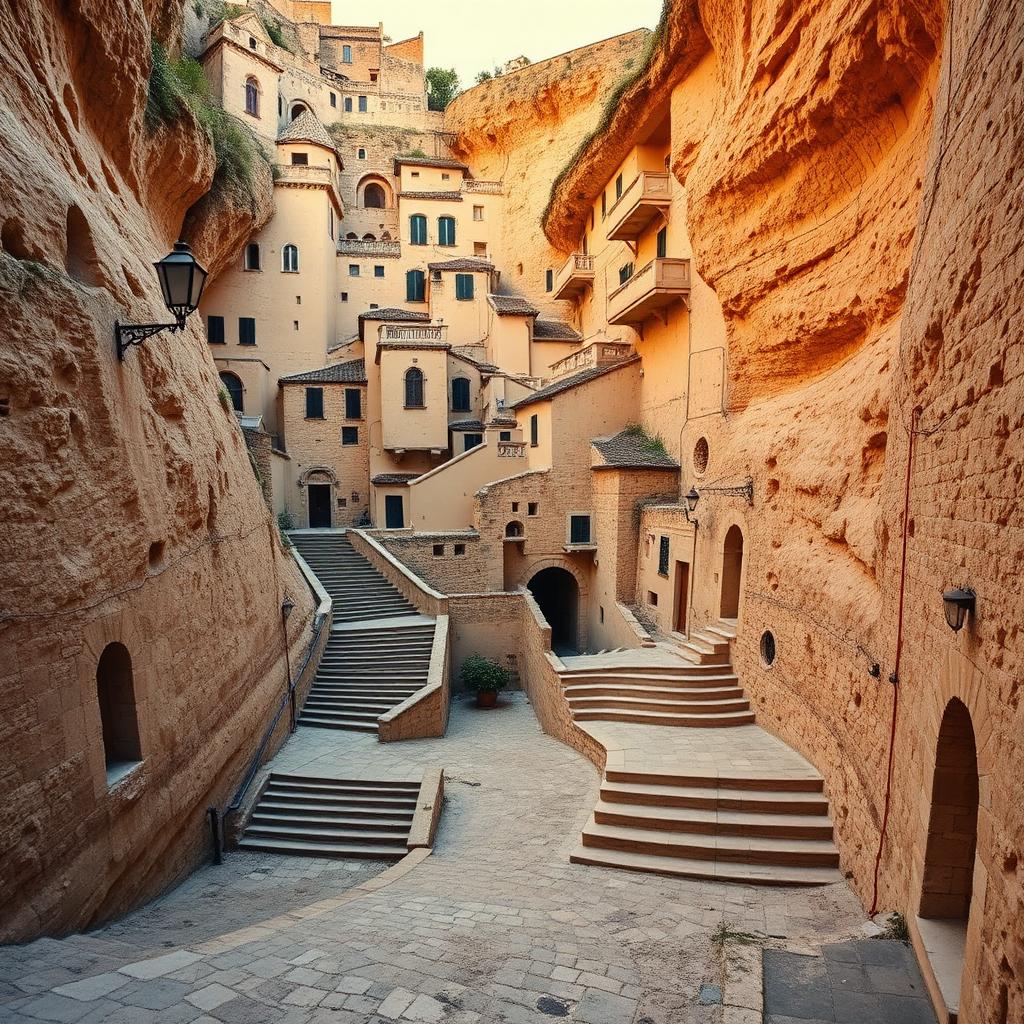
Matera is one of the oldest continuously inhabited cities in the world. Its two sassi districts, Barisano and Caveoso, are honeycombs of cave dwellings cut into a limestone canyon, some of them occupied since the paleolithic. Until the 1950s the sassi were slums, and the Italian government evacuated the population entirely between 1952 and 1968. Since then the caves have been slowly and carefully rehabilitated as houses, boutique hotels and restaurants, and Matera was named a European Capital of Culture in 2019. It is now firmly on the day-trip map from Bari and Naples, and until about five in the afternoon the alleys are busy. What almost no day-tripper sees is the same city in the last hour of light, when the coach parks empty out and the sassi turn amber.
The two sassi, briefly
The sassi are two separate but adjacent cave districts, Sasso Barisano to the north and Sasso Caveoso to the south, separated by the ridge on which the Duomo sits. Barisano is the more polished of the two, with most of the hotels and restaurants. Caveoso is rougher, closer to how the sassi looked in the mid-twentieth century, and includes the still largely untouched rock church complex of Santa Maria de Idris, cut directly into a limestone spur above the ravine.
The best introduction is to walk from Piazza Vittorio Veneto down through Barisano to the Casa Grotta di Vico Solitario, a single sassi house preserved with its 1950s furniture and a small stall for the family donkey inside the same room where the family slept. The visit takes fifteen minutes and completely reframes the rest of the walk.
From Casa Grotta, cross the ridge to Caveoso and follow the path along the top of the Gravina ravine. On the far side of the ravine, dozens of rock churches, some containing Byzantine frescoes from the ninth to thirteenth centuries, are visible in the cliff face. The path is exposed; wear shoes with grip.
The rock churches, and how to see the best ones
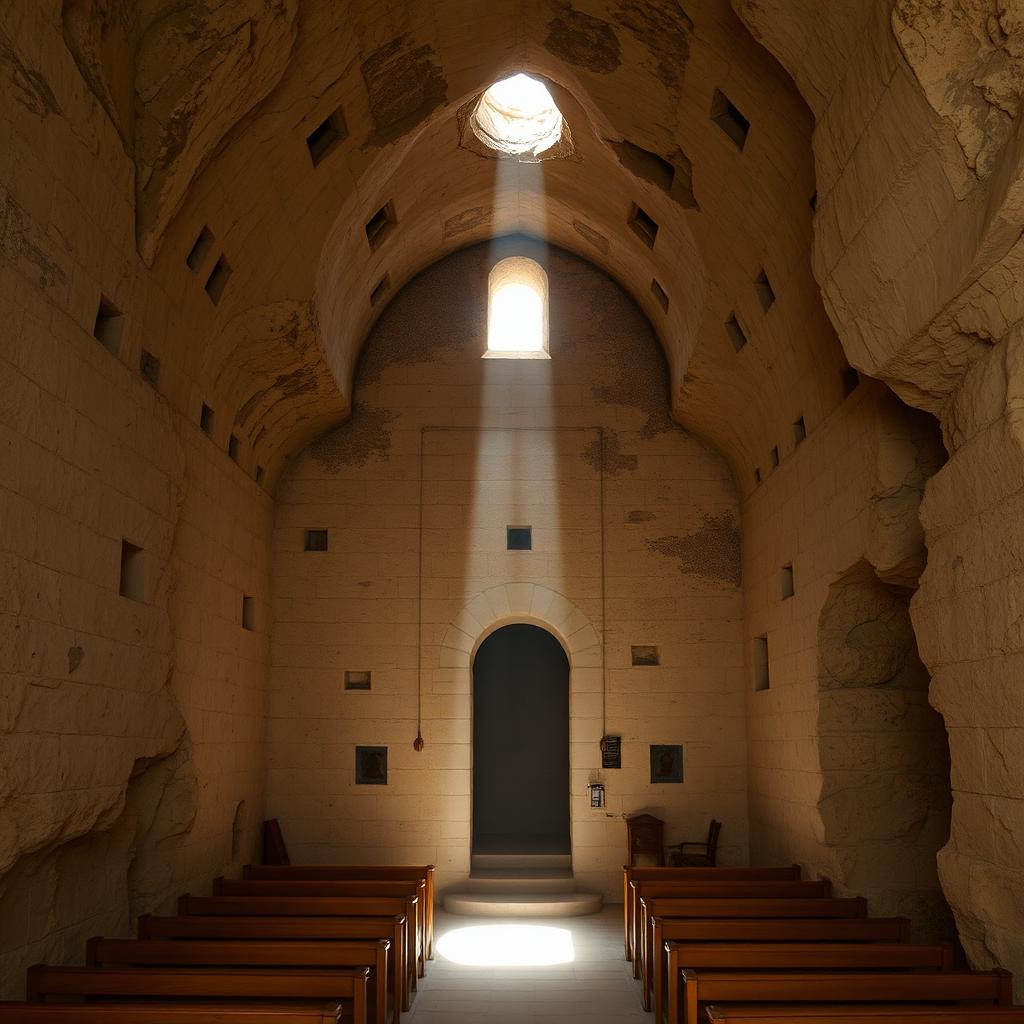
Matera and its surrounding Parco della Murgia contain over one hundred and fifty chiese rupestri, rock-cut churches. Most are locked and require a guide. The most striking is the Cripta del Peccato Originale, sometimes called the Sistine Chapel of Rupestrian Art, a small ninth-century cave with a full cycle of frescoes discovered only in 1963. It is a fifteen-minute drive out of the city and requires an advance booking, but the frescoes are among the earliest surviving figurative works in southern Italy.
Closer to the sassi, Santa Maria de Idris and San Pietro Barisano are open to the public with a combined ticket. Both are worth an hour. In San Pietro's crypt, the seccatoi (cells where the dead were dried before final burial) are a startling reminder that the sassi were, until living memory, a functioning medieval town.
Where to be at dusk
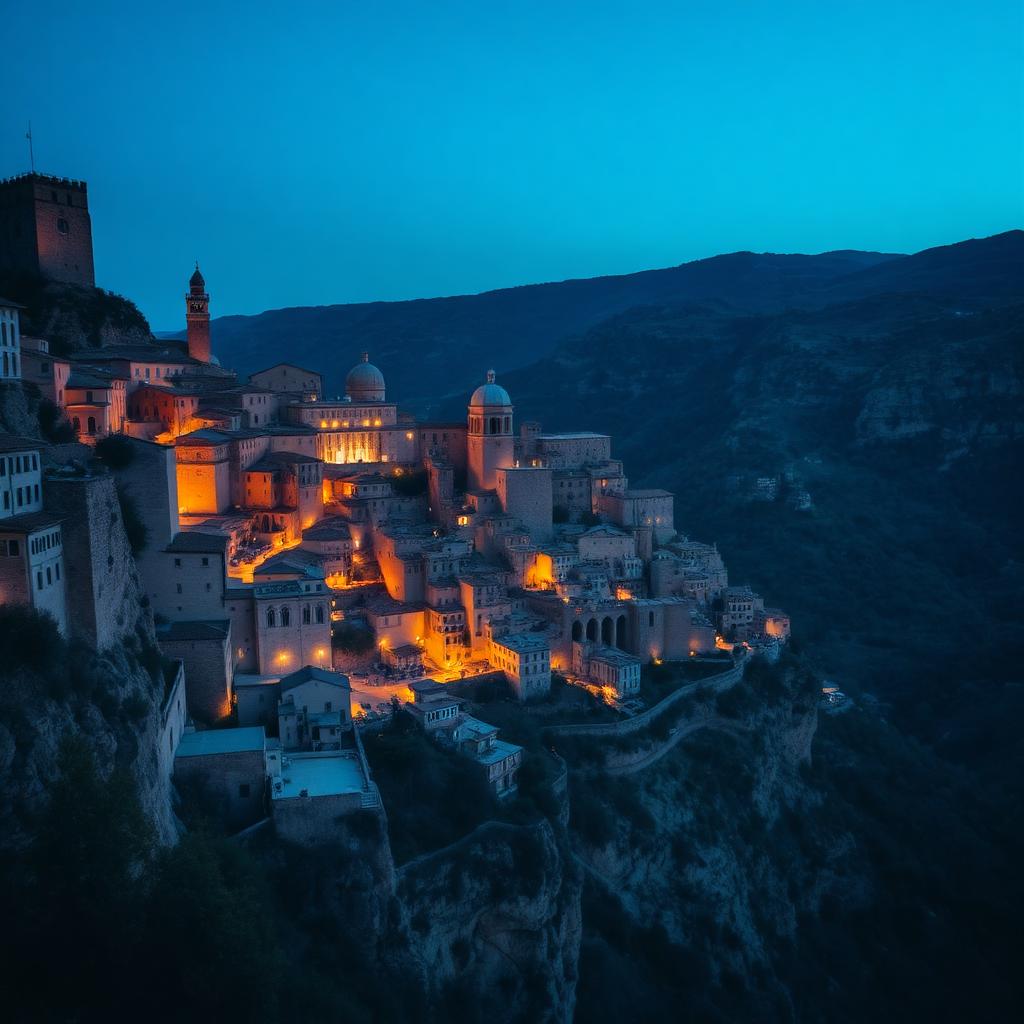
The classic dusk viewpoint is from the Belvedere di Piazzetta Pascoli, on the far side of the Duomo ridge, looking east across Sasso Barisano as the lights come on. The whole district glows one lamp at a time, and the effect is worth the twenty minutes it takes to walk up. Arrive by six in autumn or nine in July.
For a second viewpoint, walk out along the Belvedere Guerricchio, above Caveoso, from where the entire ravine is visible with the rock churches on the far side lit by the setting sun. This is the view most Matera postcards use, and unlike most postcard views, it holds up in person.
Eat late. Matera restaurants stop serving lunch at three and reopen at eight; anything open earlier is a tourist trap. Ristorante Baccanti, in a cave on Via Sant'Angelo, does the classic Materan cavatelli with cime di rapa and fried anchovies.
Practical notes
- Avoid weekends between May and September. The alleys are physically full.
- The sassi are steep, uneven and mostly on stairs. Bring good shoes and a light day pack.
- Rock church tickets sell out; book online at least two days ahead.
- The train from Bari takes about ninety minutes and drops you close to the sassi. Do not drive into the old town.
Matera is worth the trip even now, when the day-trippers have discovered it. The trick is to be there at six in the morning or nine in the evening, when the sassi look the way they have looked for eight thousand years.