Lanzarote's Vineyards in Black Volcanic Ash
The moon-like La Geria valley, where each vine grows in its own hand-dug crater.
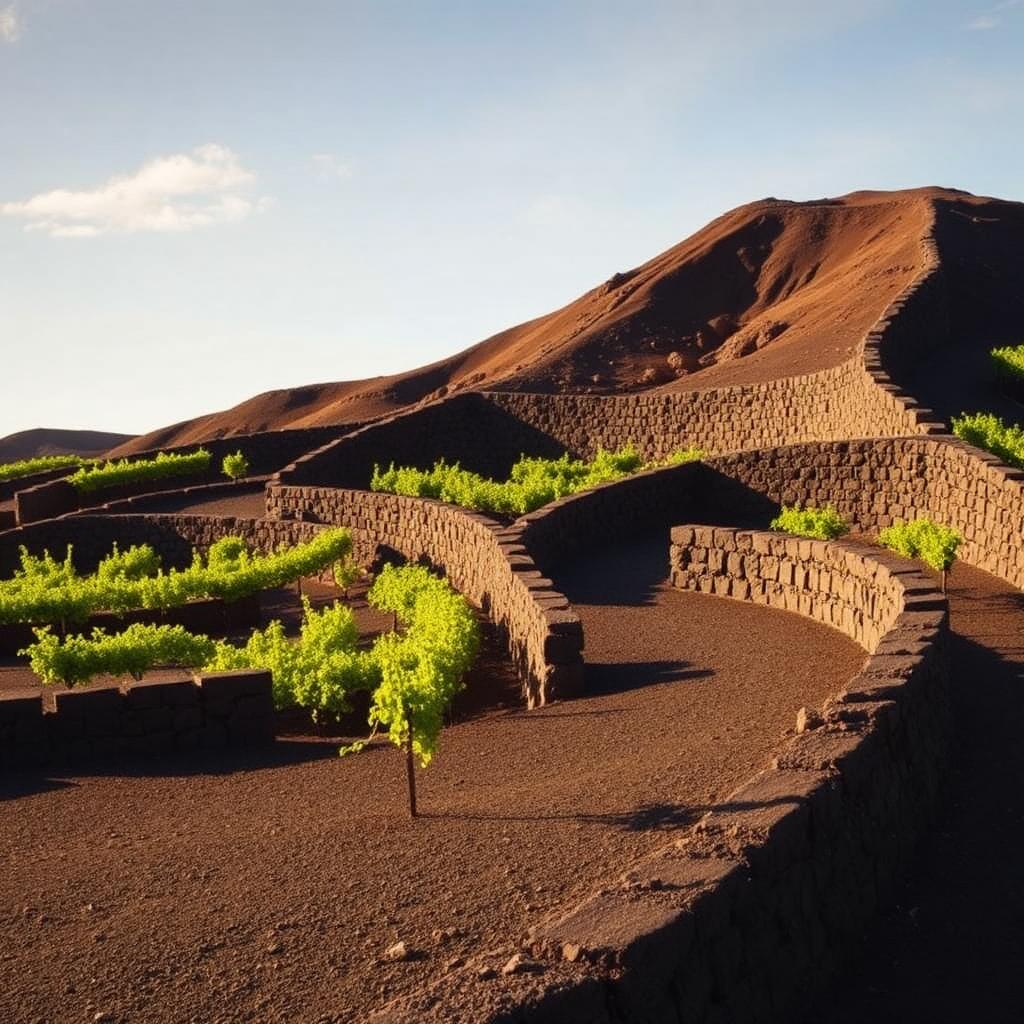
In 1730, the volcano of Timanfaya on the island of Lanzarote began an eruption that lasted six years and covered a quarter of the island in black volcanic ash. The residents responded, over the following century, by inventing one of the strangest and most productive agricultural systems in Europe. They dug small round craters into the ash, planted a single grape vine at the bottom of each one, and built a low semicircular stone wall on the windward side of each crater to shelter the vine from the trade winds. The result is the La Geria valley, a landscape unlike anything else on earth, and, quietly, one of the more interesting wine regions in Spain.
Driving the LZ-30
The road that runs through the middle of the La Geria valley is the LZ-30, between Uga and Masdache. It is a short drive, about fifteen kilometers, on a smooth two-lane road that curves gently through the ash. The view on both sides is the same: thousands of black craters, each with a single green vine, each with a low crescent stone wall, extending as far as the eye can see up to the base of the volcanic hills at the edge of the valley.
Do the drive at dawn or dusk. At noon the light is flat and the black ash absorbs everything; in the last hour before sunset, low sun picks out every wall and the whole landscape becomes deeply three-dimensional.
The bodegas, and the malvasia
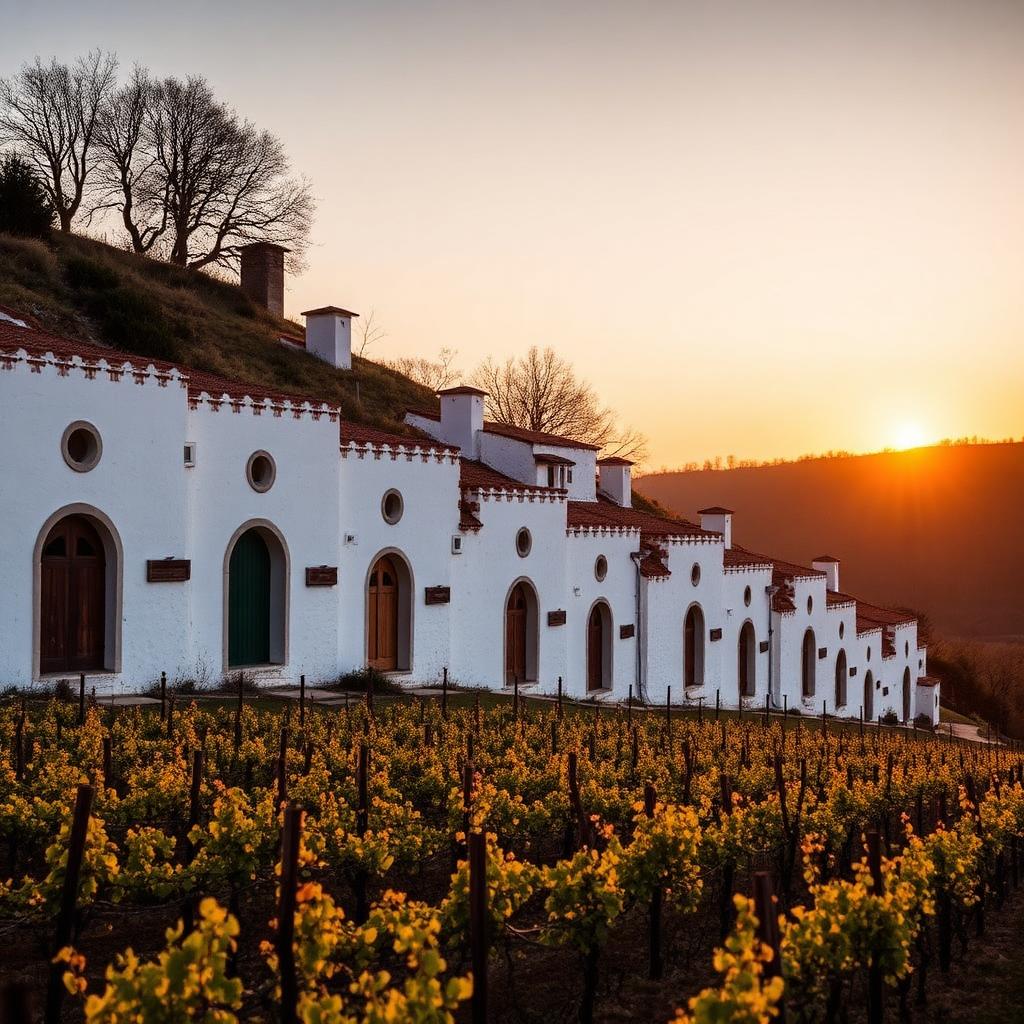
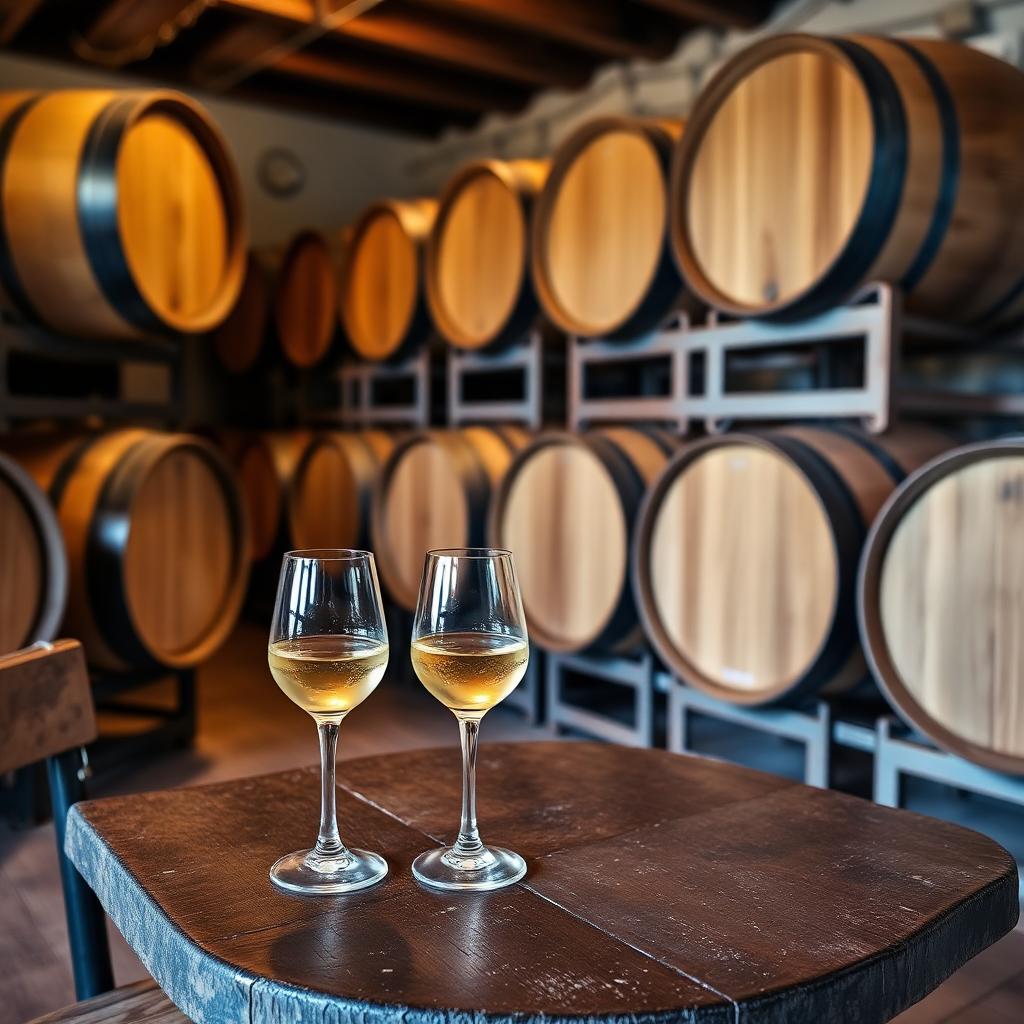
Roughly a dozen bodegas along the LZ-30 are open to the public for tastings. The two classic stops are El Grifo, founded in 1775 and one of the oldest working wineries in Spain, and Bodegas Rubicón, which occupies a beautifully restored eighteenth-century farmhouse. Both offer flights of the local white grape Malvasía Volcánica, a variety that grows almost nowhere else and produces dry whites with an unusual mineral note.
El Grifo also runs a small wine museum in its original 1775 cellar, which is worth the ten-minute visit even if you skip the tasting. The old wooden presses, some of them still in occasional use for demonstration harvests, give a physical sense of how labor-intensive this wine-making is: each crater is harvested by hand.
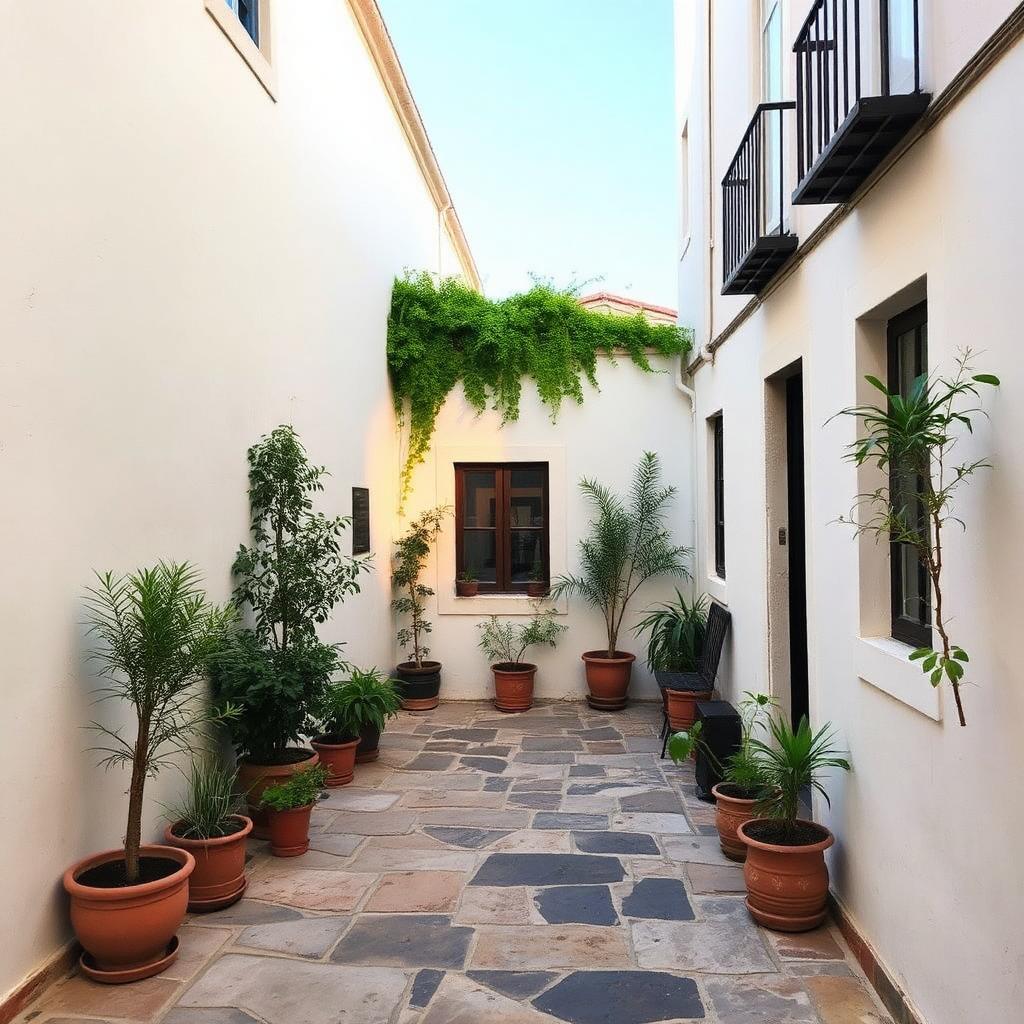
For lunch, La Bodega de Uga, at the western end of the LZ-30, does grilled octopus and Canarian potatoes (papas arrugadas) with mojo verde. The dining room opens onto a courtyard that faces the vineyards. Pair with a chilled Malvasía Volcánica seco.
Beyond the vineyards: Timanfaya and El Golfo
The volcanic landscape that produced the ash for the vineyards is still visible in its most raw form at the Timanfaya National Park, twenty minutes west. The park runs a set of coach tours through the volcanic craters that visitors are not otherwise allowed to enter, and geothermal demonstrations at the visitor centre show water thrown into ground-level boreholes shooting back out as steam within seconds. The park is busy; go early.
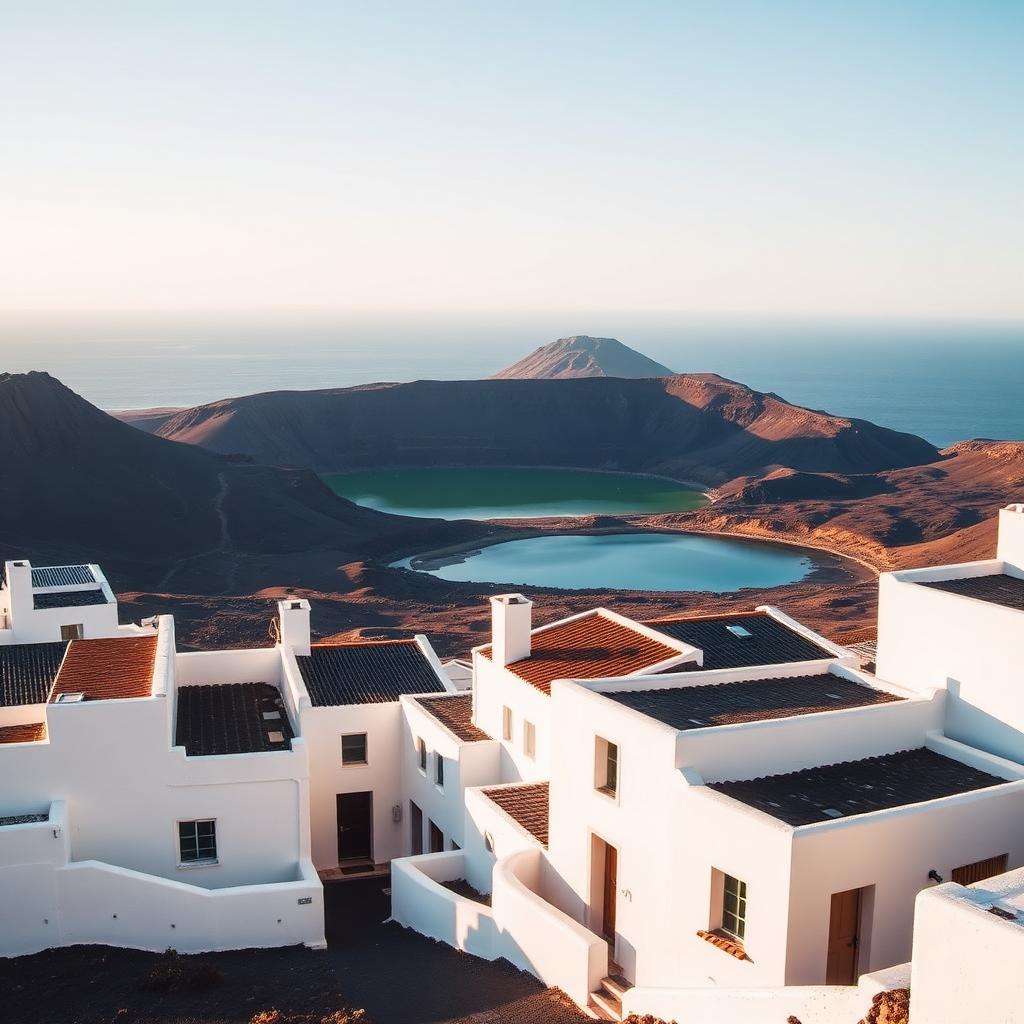
For a coastal contrast, drive to El Golfo, a small fishing village on the western coast that sits below the collapsed rim of an ancient volcanic crater. The crater's remnants form a bright green lagoon, El Charco de los Clicos, colored by algae, directly beside the black sand beach. The whitewashed village above the lagoon is the classic Canarian fishing hamlet, and its small seafront restaurants serve the local catch grilled and unadorned.
Practical notes
- The best months are September to May. Summer is warm but not extreme.
- Rent a car. Public transport is limited, and the vineyards need self-driving.
- The Malvasía Volcánica travels well; buy a bottle or two directly from the bodega.
- Timanfaya coach tours must be booked in advance in high season.
Lanzarote's vineyards are one of the strangest landscapes in Europe. Drive the LZ-30, taste the Malvasía, and eat lunch looking at the black craters.