Village Bakeries of Beira Alta
Wood-fired ovens still working in the granite towns of central Portugal.
There are about forty villages in the Beira Alta region of central Portugal that still bake bread in shared wood-fired ovens. These are not tourist attractions. They are functioning ovens, usually owned by the parish council, that residents book by the day to bake broa, the dense yellow maize bread that is the everyday bread of the region. If you plan carefully and travel slowly, you can visit two or three of them in a long weekend.
Trancoso and the surrounding villages
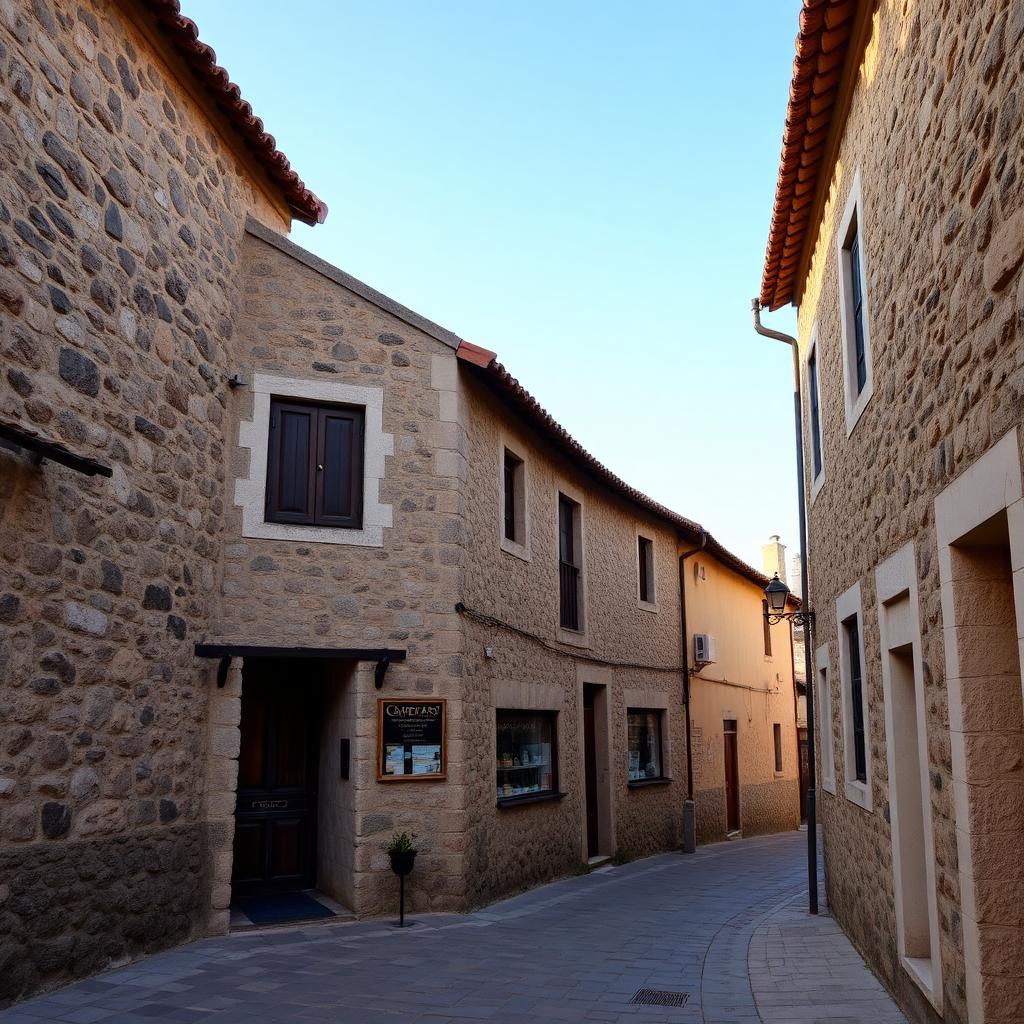
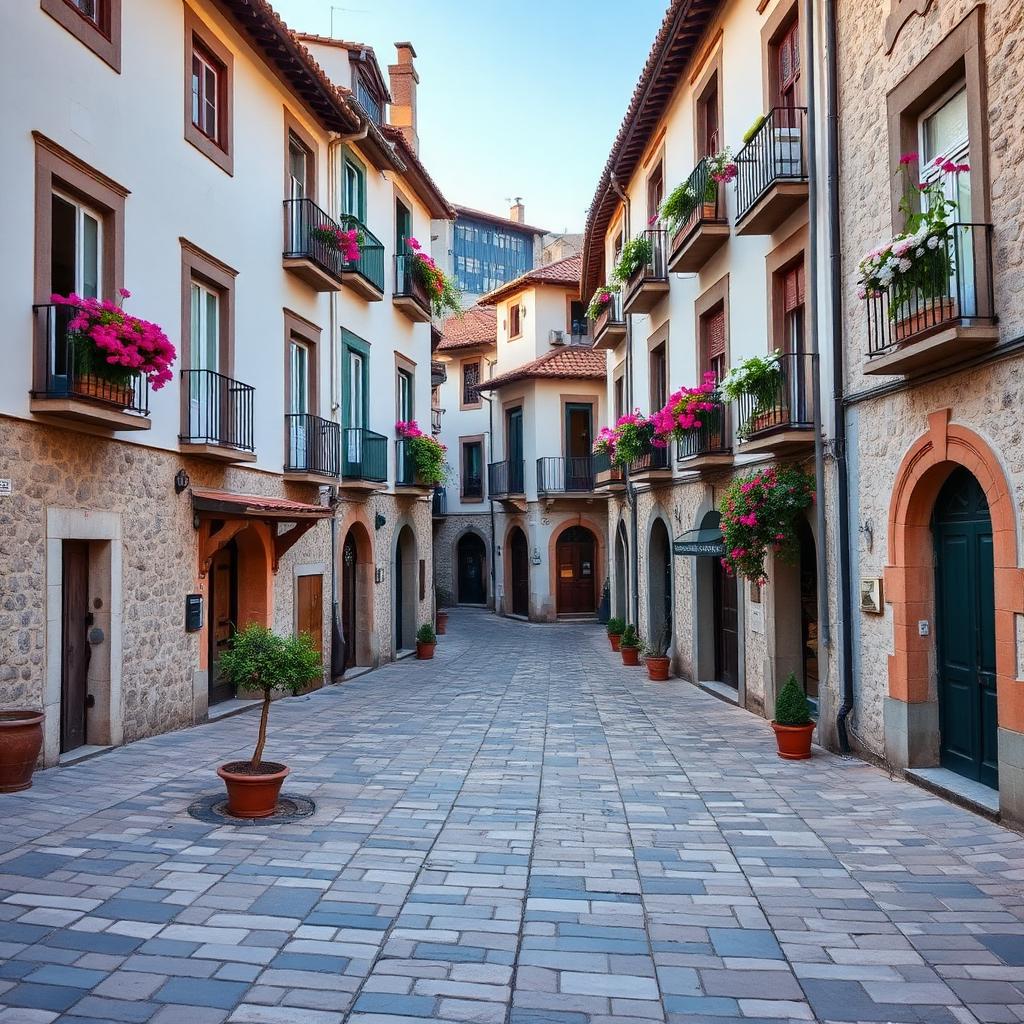
Base yourself in Trancoso, a walled town on a granite plateau at nine hundred meters. The old center has three good guesthouses and a couple of tavernas that stay open in winter, when the region gets almost no visitors. From Trancoso, most of the villages with active wood ovens are within a thirty minute drive.
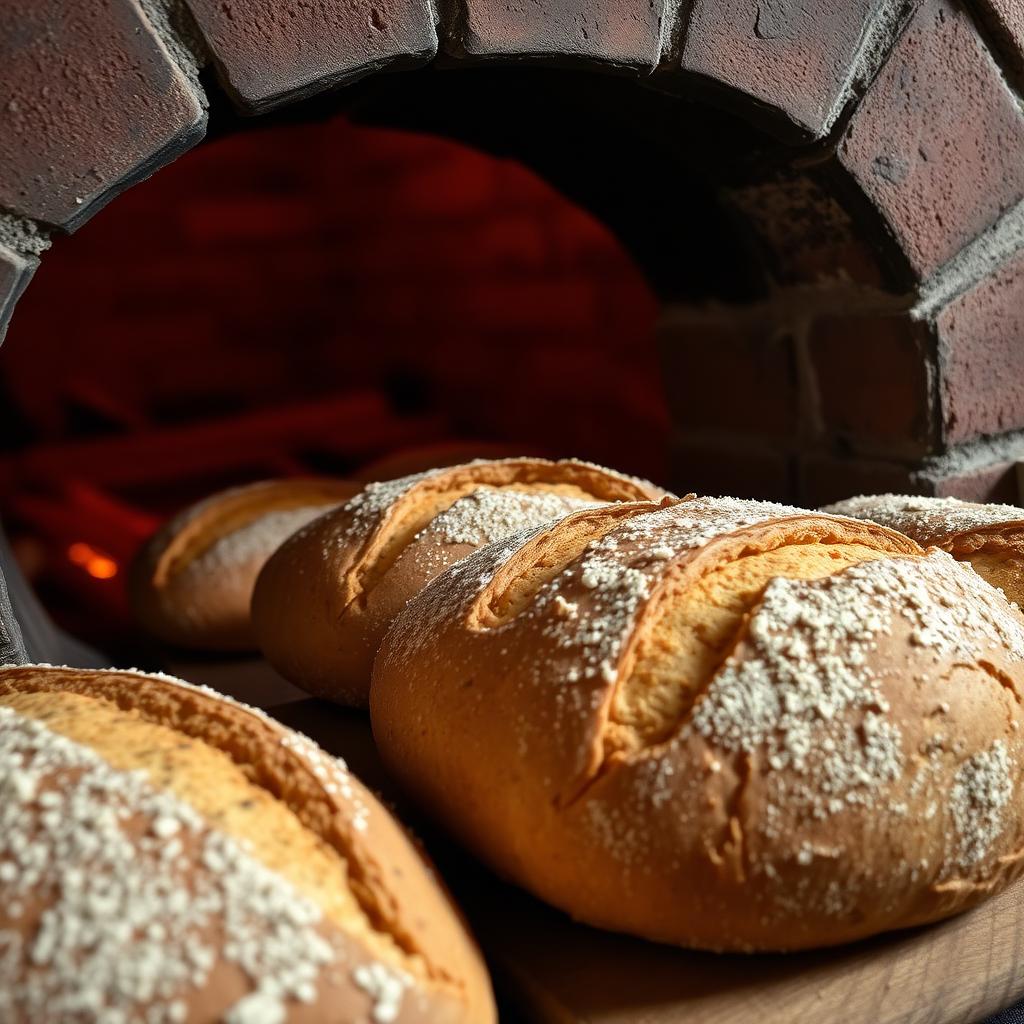
Aldeia Nova is a good first stop. The oven is in a small stone building on the main square, and Maria, who has kept the key for the last twenty years, will let you look inside if you knock on her door and ask nicely. Baking days are Thursday and Saturday, from about six in the morning. Come early. The heat inside the room is unbelievable, and the bread comes out in flat round loaves stacked six high on the oven's stone floor.
How the ovens work
The ovens are wood-fired, usually with holm oak or gorse, and take about three hours to reach temperature. The fire is then raked out, the floor is swabbed with a wet cloth on a long stick, and the loaves go in on wooden peels. A single firing can bake up to eighty loaves in two batches. The residual heat is used afterwards for roasting suckling pig or, in autumn, chestnuts.
The bread itself is made from a mix of maize flour, rye and a small proportion of wheat. It keeps for about a week. The crust is very hard, the crumb is dense and slightly sweet, and it goes with almost anything, though the classic pairing is a bowl of caldo verde soup.
One more village
Rio de Mel, twenty minutes east of Trancoso, has a smaller and older oven, dating to the eighteenth century according to the parish records. It is used less often now, mostly for feast days, but the woman who bakes there, Dona Alice, will explain the whole process in slow, careful Portuguese if you make the effort to understand. Buy a loaf. Two euros. Take it back to Trancoso with a small bottle of local wine and dinner is settled.
Practical notes
- Ask at the village cafe first. The person behind the counter will know who has the oven key.
- Do not touch the oven walls or the peels. The bakers are very generous with access; do not abuse it.
- Bring cash. Nothing in these villages takes card.
- The road from Trancoso to Aldeia Nova is unpaved for the last kilometer.
The bakeries of Beira Alta are not being preserved as heritage. They are simply still in use, because the bread is good and the ovens still work. Visit while that is still true.