The Painted Wine Cellars of South Moravia
Rows of small white cellars, cut into the loess, in the quiet Czech wine country.
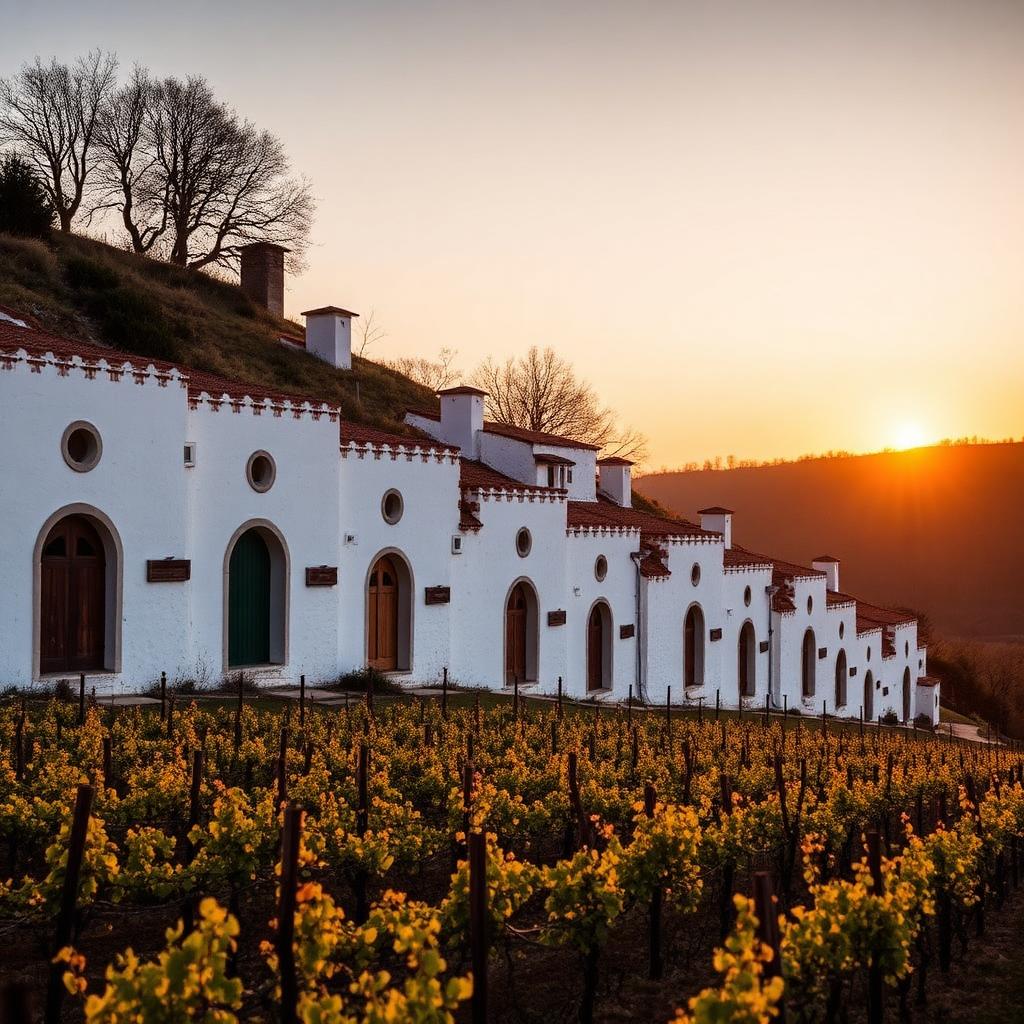
Almost nobody outside central Europe knows that the Czech Republic makes wine. In fact the country has around eighteen thousand hectares under vine, most of them in South Moravia, on the border with Austria. Between the vineyards, in the small villages of Petrov, Vlčnov and Pavlov, the local wine tradition takes a very specific architectural form: rows of small whitewashed cellars, called sklípky, set side by side into the loess hillsides. They are not tasting rooms. They are working cellars, still owned by families, and if you plan a trip around them you find yourself in one of the calmest corners of Europe.
Petrov and the Plže cellar quarter
The village of Petrov, near the Slovakian border, has the most photographed cellar quarter in the country, called Plže. Roughly eighty small cellars stand in tight rows along a set of narrow lanes at the edge of the village. Each cellar is whitewashed, with a small painted decorative band around the door in cobalt blue, ochre or dark red. Most have a wooden bench outside for tasting in warm weather.
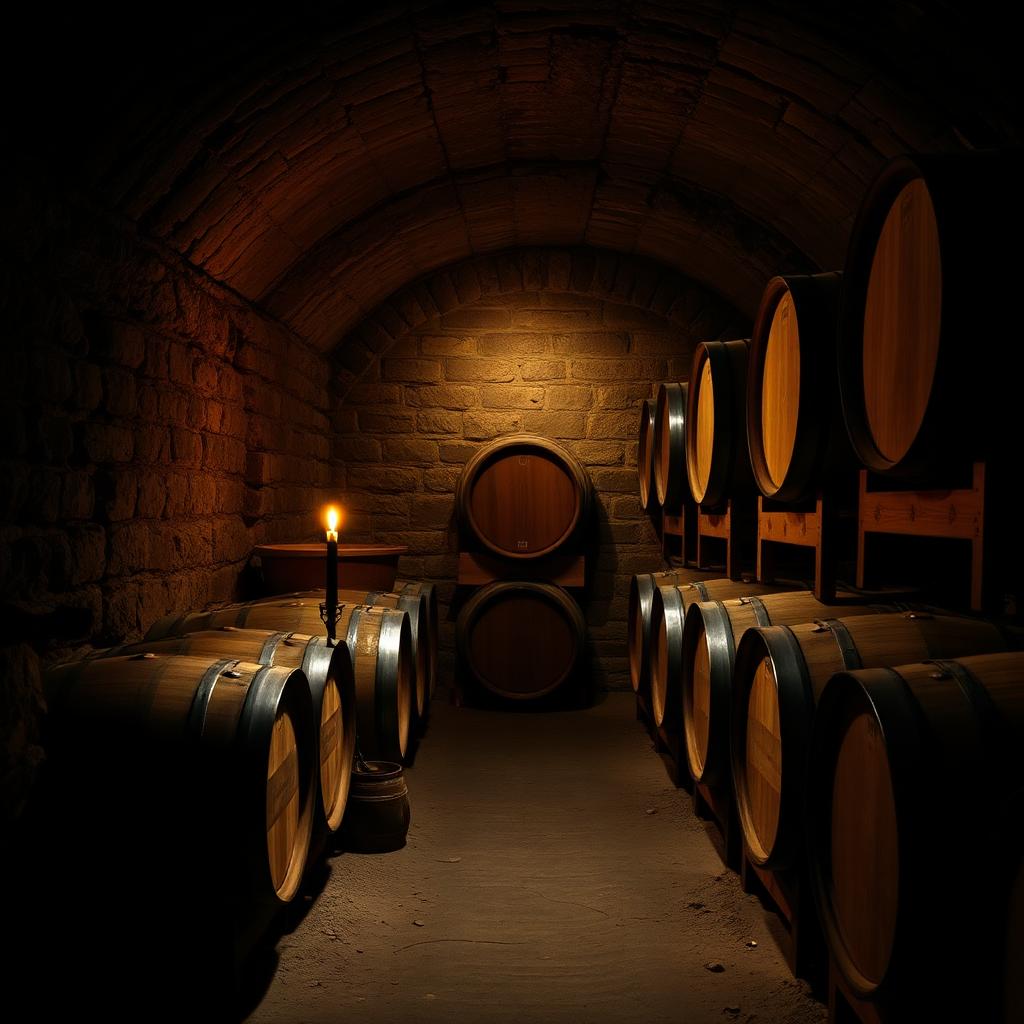
The cellars date to the late eighteenth century, built into the loess because the soft, deep silt keeps a natural year-round temperature of around ten to twelve degrees. Inside, most are barely wider than the door and go back three or four meters into the hill, with a single row of oak barrels on one side and a small stone tasting counter on the other.
You cannot just walk into one. The cellars are private, and most are opened by appointment. The village tourism office keeps a rotating list of families who welcome visitors on any given weekend, and the fee for a two-hour tasting is usually low, with three or four wines poured directly from the barrel.
Wines to actually drink
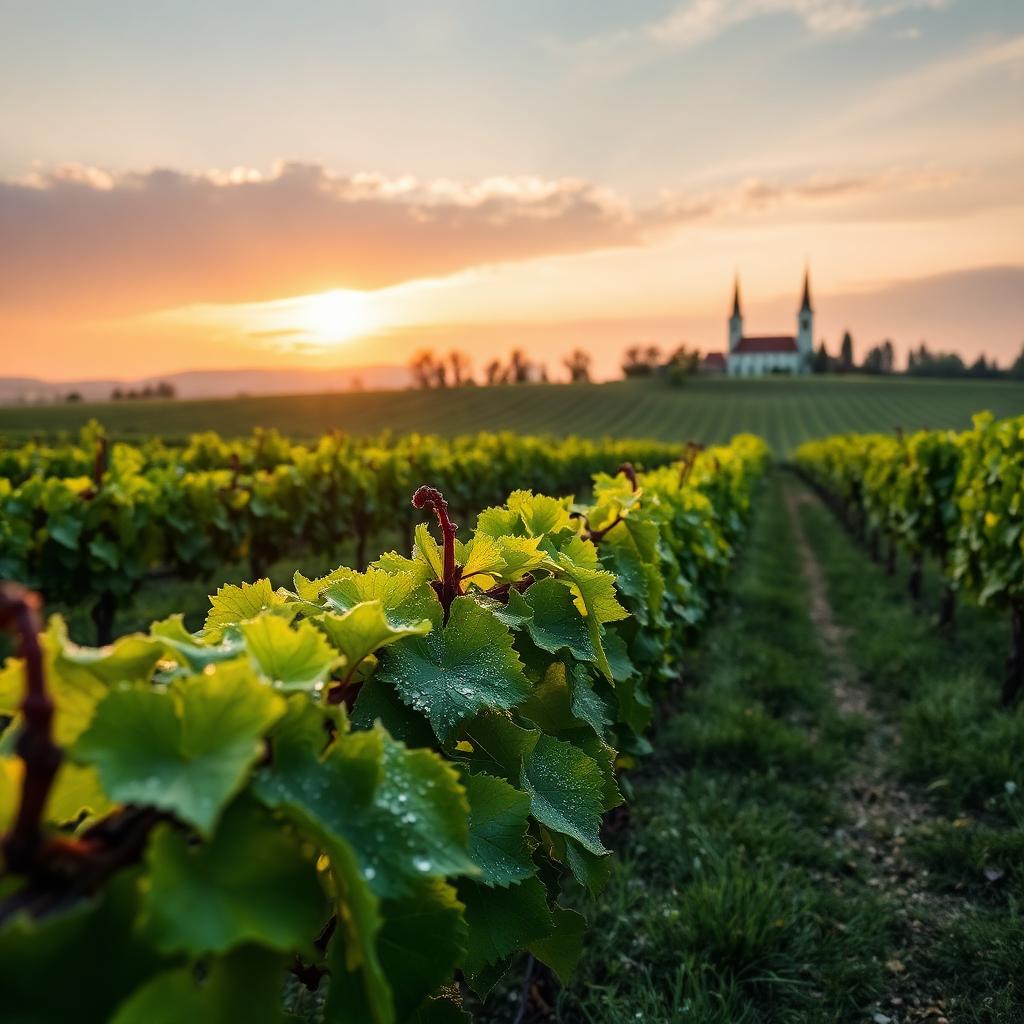
Moravian whites are the point. Look for Ryzlink rýnský (Riesling), Veltlínské zelené (Grüner Veltliner), and the local specialty Pálava, a fragrant cross of Traminer and Müller-Thurgau developed in the 1950s at the nearby Perná research station. Reds do exist, mostly Frankovka and Svatovavřinecké (Saint Laurent), but the region's climate is cooler than most red-wine countries, and the whites are what the growers pour first with justified pride.
Most cellars will offer to sell you a bottle at the end of the tasting, usually for a quarter of what a French or Italian equivalent costs. Bring a small cool bag; the wines are almost never labelled for temperature-controlled shipping and travel best flat.
For a proper meal in the region, drive twenty minutes north to Pavlov, on the Nové Mlýny reservoir. The restaurant Vinařství Sonberk sits above its own vineyards with a view south to Austria, and the tasting menu paired with their own Ryzlink is the most complete introduction to Moravian wine you can arrange in one seating.
Cycling between villages
The Moravian Wine Trails, a network of over twelve hundred kilometers of signed cycling paths, link most of the wine villages in the region. The Mikulov trail, a fifty-kilometer loop starting in the walled town of Mikulov, passes through six cellar quarters and takes a slow day with tastings. E-bike rentals in Mikulov cost around six hundred crowns per day, and the trails are gentle, on farm roads and paved paths.
Time the ride so that you finish in Valtice by late afternoon. The town's château houses the National Wine Salon, a permanent exhibition and tasting room in the cellars beneath the baroque palace, with about a hundred bottles from across the country available to sample by ticket.
Practical notes
- The best months are May, September and early October. Harvest festivals in September fill the villages.
- Contact the Petrov tourism office at least a few days in advance for a cellar visit.
- Bring cash. Small cellar tastings almost never take card.
- The nearest airport is Vienna. Brno is closer by rail but has fewer international flights.
Moravian wine country is a European backwater in the best sense: the wines are honest, the cellars are still family-run, and the villages have not been redecorated for anyone. Bring an empty suitcase.